
Currency Depreciation
19 articles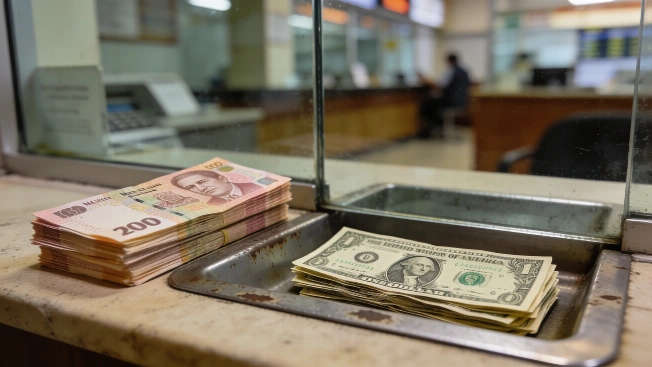
UBS and Crédit Agricole clash over peso's 2027 path
UBS projects a stronger Mexican peso by September 2027, while Crédit Agricole expects the currency to weaken. The banks' opposing forecasts expose deep uncertainty around Mexico's exchange rate outlook.
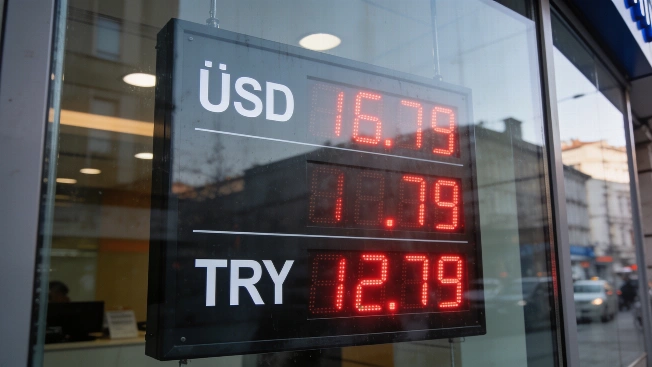
Turkish lira set for deeper fall as dollar forecast climbs to 57
MUFG now sees the US dollar hitting 57 Turkish lira by September 2027. High energy costs, weak reserves, and financial stress at home keep the lira under pressure.

Emirates NBD Egypt rolls out major healthcare discounts for Signature clients
Signature customers at Emirates NBD Egypt can now get up to 50 percent off a wide range of medical services at four Alameda Group hospitals in Greater Cairo. The offer runs through the end of 2026.
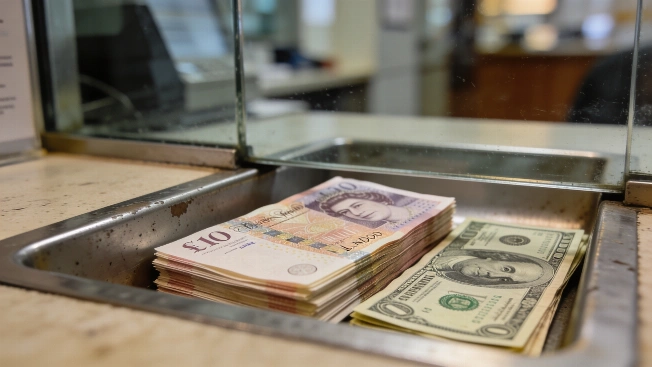
Pound Sterling Faces Pressure as Hedge Funds Drive Dollar Gains
Heavy hedge fund selling has pushed the Pound Sterling to three month lows against the US Dollar, but JPMorgan warns that further declines could set the stage for a rebound if month end flows intensify
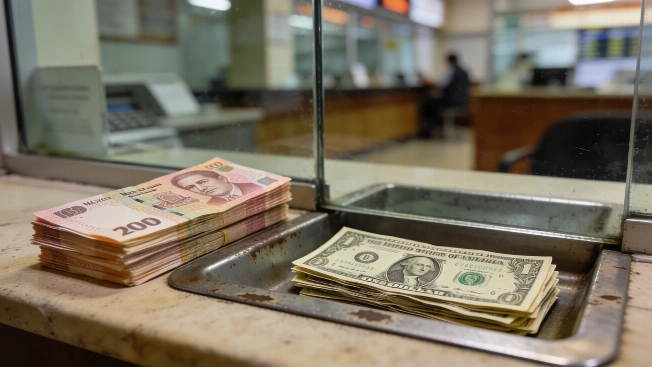
Mexican peso set for 9% drop against US dollar, says Crédit Agricole
Crédit Agricole expects the Mexican peso to lose about 9% of its value against the US dollar by the end of 2027. The bank's forecast points to a shift in currency trends across Latin America.
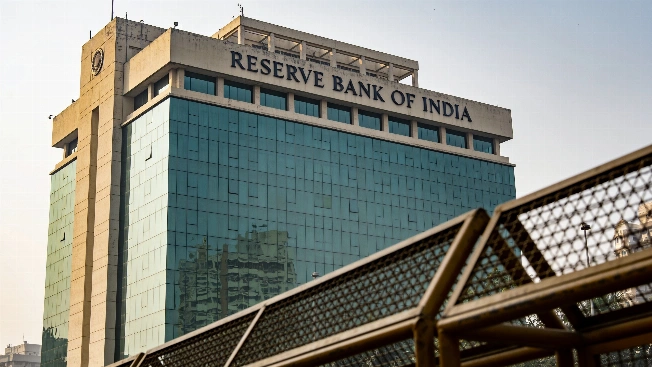
Indian rupee stays under pressure as RBI reserves grow
MUFG and Goldman Sachs expect the Indian rupee to keep weakening against the US dollar through 2027. The RBI's bigger reserves help steady the currency but aren't enough to stop the slide.
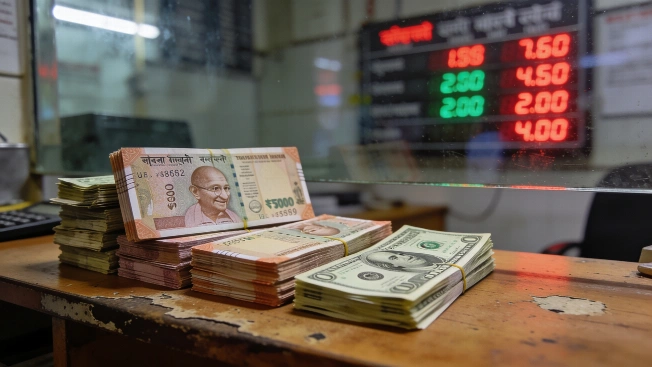
Rising Oil Costs Halt Indian Rupee Gains Against the US Dollar
The Indian Rupee's recent rally has stalled as Brent crude nears 98 dollars and foreign investors pull capital from Indian markets. Analysts now expect the USD to INR rate to climb despite record central bank reserves and ongoing intervention.
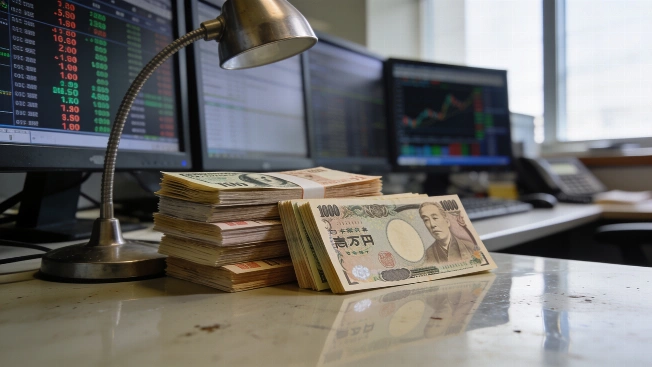
Dollar Faces Pressure as Fed Signals Pause and Yen Rally Stalls
The US dollar remains pinned near multi-month lows after Federal Reserve officials hint at a pause in rate hikes, while the Japanese yen's sharp rally cools amid speculation over possible intervention and upcoming central bank decisions
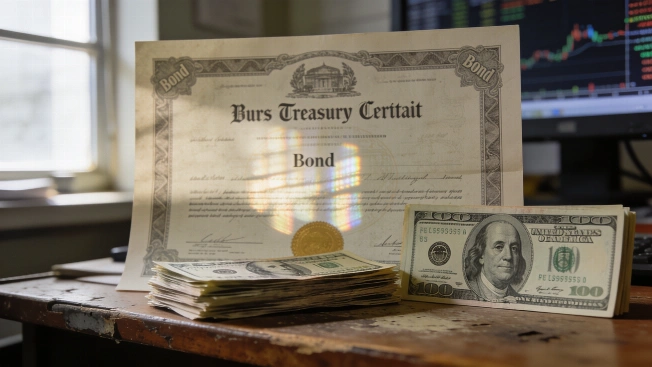
US Dollar Faces Pressure as Treasury and Fed Policy Scrutinized
The US dollar is under renewed pressure as investors question whether Treasury bond buybacks and the Federal Reserve's policy stance could undermine confidence in American economic management, with implications for global exchange rates
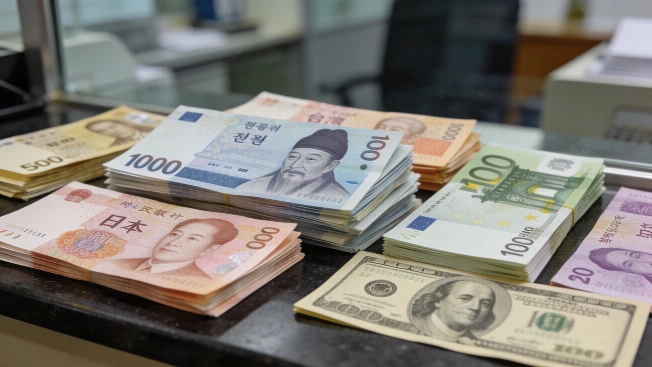
US Dollar Faces Pressure as BCA Research Favors Asian and European Currencies
BCA Research signals a shift away from the US dollar, highlighting weakening real yields and reduced foreign investment as reasons to favor the South Korean won, Japanese yen, Taiwan dollar, Singapore dollar, and euro

UBS Maintains Neutral View on Yen as Policy Gap Persists
UBS continues to hold a neutral outlook on the Japanese yen, citing the ongoing divergence between Federal Reserve and Bank of Japan policies, and expects the USD/JPY exchange rate to remain elevated in the coming years
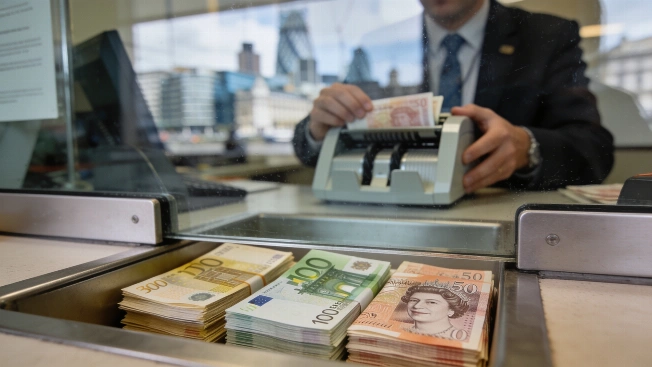
Pound Falls Against Euro as US Bond Moves Shake Markets
The British pound dropped to its lowest level against the euro since July after US Treasury bond purchases unsettled global markets, highlighting how shifts in US policy can ripple through major currency pairs and affect cross-currency rates.

Swiss Franc Faces New Pressure as Carry Trade Shifts from Yen
Recent US-Japan intervention to support the yen is prompting investors to reconsider the Swiss franc as a funding currency, raising questions about future exchange rates and the impact on Swiss exporters and policymakers

Crédit Agricole Bets Against Pound Sterling as Overbought Signals Persist
Crédit Agricole has reopened its short position on the Pound Sterling against the US Dollar, citing persistent overbought signals despite recent losses and a strong market backdrop for Sterling
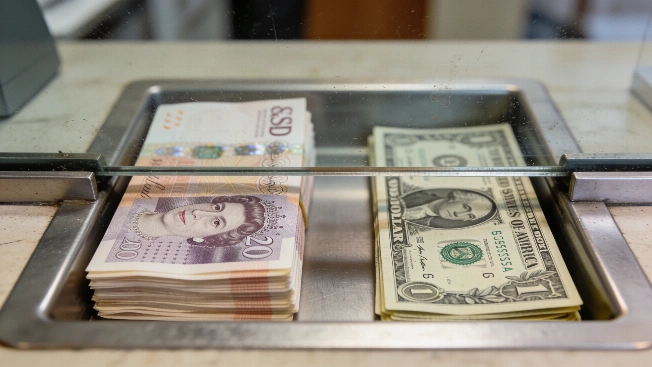
Pound Sterling Faces Key Test Against US Dollar as Trends Collide
The pound's recent gains against the US dollar are being squeezed between major technical barriers, with intervention-driven volatility and US rate expectations shaping the outlook for GBP/USD in the coming week.
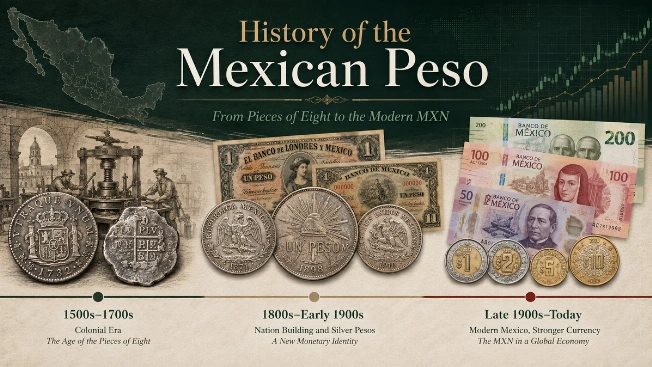
History of the Mexican Peso: From Pieces of Eight to the Modern MXN
The Mexican peso grew out of the silver pieces of eight minted in New Spain and used across the Americas, Europe and Asia. This detailed history follows the currency from pre-Hispanic exchange and the first mint in the Americas through independence, the 1982 debt crisis, the 1993 nuevo peso redenomination and today’s floating MXN.

History of the Japanese Yen: From Edo Money to the Modern JPY
The Japanese yen emerged from a sweeping nineteenth-century reform that replaced the gold, silver, copper and paper currencies of the Edo period with a unified decimal system. This detailed history follows the yen from the 1871 New Currency Act and the creation of the Bank of Japan through the gold standard, the ¥360 post-war dollar peg, the 1973 float and the modern JPY.
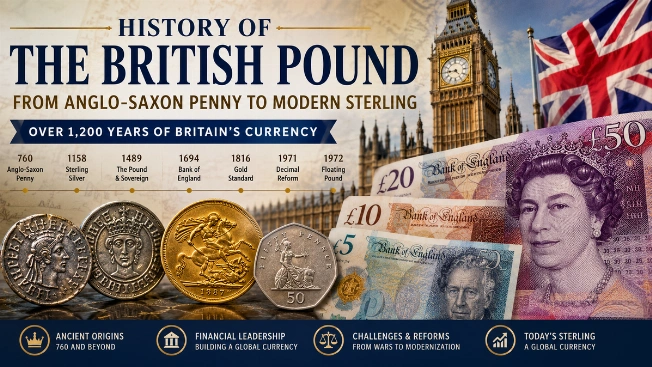
History of the British Pound: From Anglo-Saxon Silver to Modern Sterling
The pound sterling began as a weight-based unit built around the Anglo-Saxon silver penny and developed into the leading currency of nineteenth-century global finance. This detailed history follows sterling through medieval coinage, the Bank of England, the gold standard, wartime devaluations, Decimal Day, Black Wednesday and today’s floating GBP.

History and Present Condition of the Swedish Krona: From the Riksdaler to Modern SEK
The Swedish krona grew out of centuries of copper, silver, paper money and riksdaler reforms before becoming Sweden’s national currency in 1873. This detailed guide follows SEK through the Scandinavian Monetary Union, the 1992 currency crisis, inflation targeting, the 2003 euro referendum and the increasingly digital Swedish payment system of 2026.