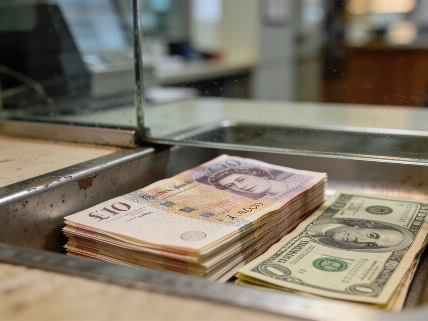

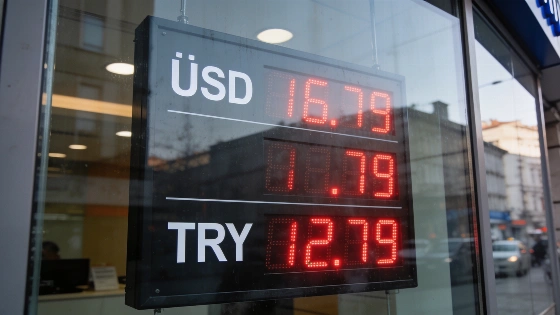
MUFG now sees the US dollar hitting 57 Turkish lira by September 2027. High energy costs, weak reserves, and financial stress at home keep the lira under pressure.
Traders in Turkey are bracing for more pain. MUFG has raised its forecast for the dollar/lira rate, now expecting USD/TRY to reach 57.00 by September 2027. That's a 16% jump from where the pair stood in late September 2026. The lira keeps sliding, even as Turkey's central bank holds interest rates high and steps in to slow the fall. Reuters data showed the rate near 48.9 at the end of September, with volatility still high and the lira losing ground.
MUFG's timeline is clear. The bank sees the rate at 51.50 by December 2026, 53.50 by March 2027, and 55.50 by June. The climb to 57.00 comes in September. MUFG analysts point to three main drivers: Turkey's heavy energy import bill, shrinking foreign-exchange reserves, and a growing current account gap. These forces have outweighed the Central Bank of the Republic of Türkiye's decision to keep its policy rate at 37% in September. The central bank's September policy statement stressed the need for tight money and a focus on bringing inflation down.
Energy and external pressures
Turkey's position abroad has grown more fragile. Energy prices are still high. MUFG says the unresolved US-Iran standoff and the closed Strait of Hormuz keep Turkey's energy costs up. The country's import bill keeps rising. At the same time, tourism has brought in less foreign currency. That's widened the current account deficit and made Turkey more dependent on outside funding. The central bank's reserves have taken a hit. In the week ending September 25, 2026, total reserves dropped by $3.2 billion to $171.2 billion. The Turkish central bank and financial media reported the drop. The buffer to defend the lira is shrinking fast.
Defending the lira has come at a price. Turkish officials stepped into the market when regional tensions flared. But MUFG says the central bank's power to stop the slide has faded as reserves run low. Now, authorities are letting the lira weaken faster. They have little choice. Global investors and other central banks, including the Federal Reserve and the European Central Bank, are watching Turkey's moves. Shifts in Turkish policy can ripple through other emerging markets.
Domestic financial strains
Problems at home are piling up. MUFG notes that Turkish regulators ordered 131 investment funds to liquidate. These funds held about 1 trillion lira, or $20 billion, in assets. The move forced the government to pump in extra liquidity to avoid a wider market mess. Reuters called it the biggest crisis Turkey's fund market has ever seen. Investor trust took a hit. The lira got even weaker. Worries about governance and transparency in Turkey's financial sector have not gone away. International groups like the IMF and the Bank for International Settlements are watching closely.
The lira's fall is not just about outside shocks. Domestic policy limits and stress in the financial sector play a big part. Most big banks, according to MUFG, expect the lira to keep losing value. The only debate is how fast. MUFG's 57.00 forecast for September 2027 is just above the consensus of 56.44. The bank is more cautious about how quickly the lira will drop, not about the direction. J.P. Morgan expects Turkey's central bank to start cutting rates soon. They see a 100 basis point cut in October and another in December, which would bring the policy rate to 35% by year-end.
Forecast figures and market context
When MUFG made its call, the USD/TRY rate was 49.1451. A move to 57.00 means the dollar would gain 16% against the lira. For the lira, that's a 13.8% drop in value. The central bank's rate is still at 37%. It hasn't been enough to stop the slide. High import costs, weak tourism, and falling reserves all weigh on the lira. The central bank's monetary policy committee keeps a close eye on inflation and the exchange rate, as its official updates show.
Turkey's story is not unique. Other emerging markets face the same mix of outside shocks and homegrown problems. As reported earlier, the Mexican peso has faced similar pressures as global yields and risk appetite shift.
Understanding currency depreciation risks
When a currency drops against the dollar, imports get more expensive. Inflation can pick up. Paying back foreign debt costs more. Turkey's high energy bill and a wider current account gap have made the lira extra sensitive to global shocks. Central bank moves can slow the fall, but when reserves run low and policy options shrink, markets test the limits. Even high rates may not be enough. The lira keeps falling.