Heavy hedge fund selling has pushed the Pound Sterling to three month lows against the US Dollar, but JPMorgan warns that further declines could set the stage for a rebound if month end flows intensify
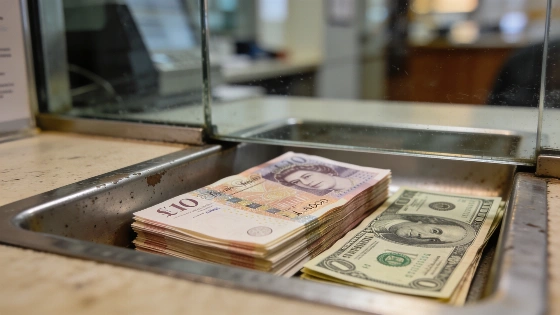
Hedge funds have hammered the British Pound this week. Sterling dropped fast against the US Dollar. Reuters put GBP/USD near $1.322-1.324 on September 25. That's the lowest in almost three months. The currency lost about 1.25% since Monday. The fall shows both Sterling's weakness and the Dollar's strength. Traders expect the Federal Reserve to get tougher on rates. That's driving the Dollar higher. Reuters tracked the slide.
On Thursday, Sterling was the top target for hedge fund selling among G10 currencies, according to JPMorgan's trading desk. GBP/USD closed Friday at 1.3246. That's a small 0.27% gain for the day. But the pair still lost about 1.1% for the week. The bounce came after Sterling hit a three-month low. Traders are betting the Fed will keep tightening. From September 22 to 24, the US Dollar Index rose about 0.90%. GBP/USD fell by around 1.25%. The Dollar's surge mattered more than any Sterling-specific news. Reuters and Federal Reserve data confirm the trend.
Support levels and market dynamics
JPMorgan sees a key support zone for GBP/USD between 1.3145 and 1.3160. If the pair drops below that, the next support sits 86 to 101 pips under Friday's close. JPMorgan's analysts are now wary of chasing Sterling lower. The currency is getting close to levels where more losses could slow down, especially if month end selling runs out of steam. Reuters reported Sterling was already under pressure earlier in the week. It traded near $1.328 on September 22 and 23 after three straight days of losses. The Dollar kept rallying. Reuters tracked the moves.
Sterling isn't just weak against the Dollar. The Euro is pushing it too. The EUR/GBP cross is testing the 0.8600 to 0.8610 zone. If it breaks above, 0.8650 is the next target. Reuters confirmed Sterling's weakness against the Euro. EUR/GBP is near three-month highs. This shows the pressure on Sterling isn't just about US policy. Broader market sentiment is at work. European Central Bank and Reuters both flagged the trend.
Month end flows and external risks
JPMorgan links some of Sterling's recent trouble to talk of a possible US diesel export ban. That could hit the UK harder than Europe. Earlier this week, US Republican lawmakers called for export limits as fuel prices rose. JPMorgan's desk doubts a ban will happen. They're watching to see if month end flows make Sterling's losses worse. Investors are also watching the Bank of England. Reuters noted that on September 24, markets gave about a 75% chance to a 25 basis point rate hike at the November meeting. That's shaping short-term Sterling bets. The Bank of England weekly report has more details.
Sterling is looking battered. If more selling hits at month end, some traders may see a chance to "fade" the drop and bet on a rebound. But that depends on how flows play out in the next few days. The Bank of England's latest weekly report shows big liquidity moves. There were £125,390 million in short-term repos and £84,756 million in indexed long-term repos. The bank is working to keep markets running smoothly. The numbers are clear.
Recent performance and key figures
For the week ending Friday, GBP/USD closed at 1.3246. That's up 0.27% for the day but down about 1.1% for the week. JPMorgan's support zone is 1.3145-1.3160. Further support sits 86-101 pips below the latest close. Against the Euro, 0.8600-0.8610 is a key pivot for EUR/GBP. If that breaks, 0.8650 is next. These levels show how far Sterling has dropped. Traders and analysts are watching them closely. Hedge fund flows, central bank moves, and outside policy risks are all shaping Sterling's near-term path.
Comparing recent Sterling moves
This isn't the first time Sterling has stumbled. Earlier this year, weak UK payroll data and shifting rate bets also dragged the currency down. As reported earlier, the Pound keeps running into trouble when economic data or policy signals disappoint. The reasons change, but the pattern is the same. Sterling reacts fast to both UK and global news-whether it's US policy, European competition, or local risks.
Understanding month end currency flows
Month end flows mean big currency trades as investors, companies, and asset managers rebalance and settle accounts at the end of each month. These moves can shake up exchange rates, especially when hedge funds are active or policy rumors swirl. For Sterling, month end can bring extra swings if big sell orders hit when sentiment is already negative. Sometimes, once these flows pass, currencies bounce back as the market steadies. It's a cycle traders know well.