
Counterfeit Banknotes
11 articles
Beth Deisher returns to ACEF board as US coin market faces counterfeit threat
Beth Deisher, a top name in US numismatics and anti-counterfeiting, is back on the Anti-Counterfeiting Educational Foundation board as fake coins keep testing the market.
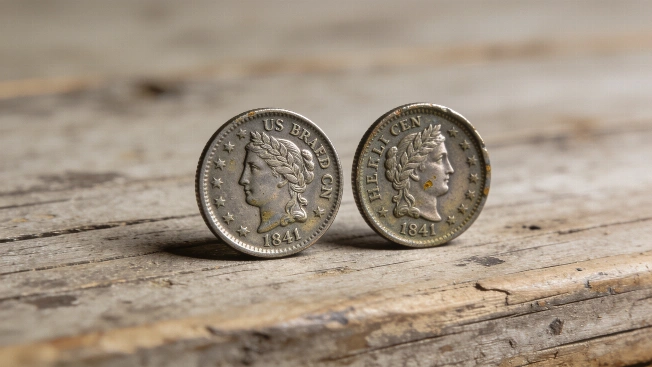
Counterfeit 1841 half cent exposes risks for collectors
A recent submission to Numismatic Guaranty Company reveals how counterfeiters are targeting the elusive 1841 Braided Hair half cent, using advanced electrotype techniques to deceive even experienced collectors
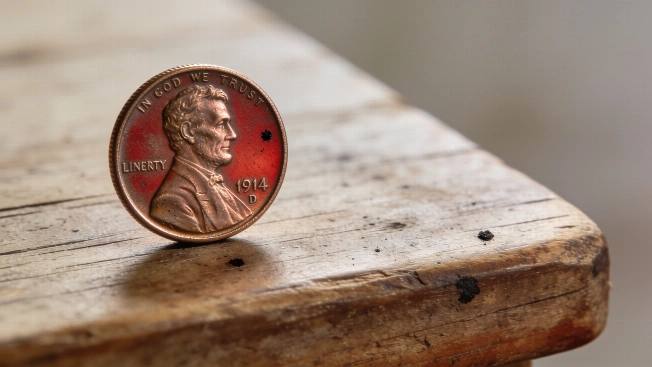
Why the 1914 D Lincoln Cent Became the Rarest Mint State Penny
The 1914 D Lincoln cent is far scarcer in pristine Red Mint State than its famous 1909 S VDB cousin. Its journey from everyday change to numismatic legend reveals how survival, not mintage, determines true rarity
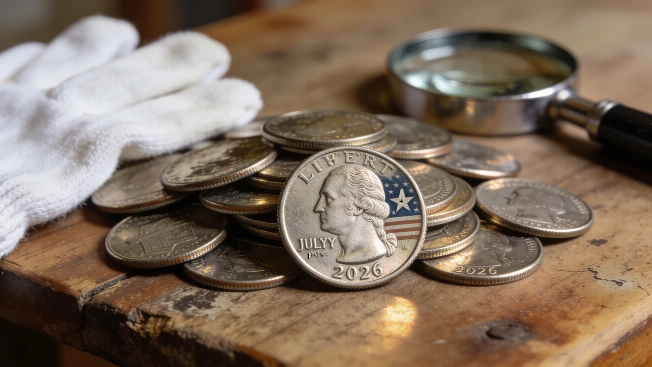
Counterfeit 2026 Quarters Challenge US Collectors as Demand Peaks
A wave of fake and altered 2026 Semiquincentennial quarters is hitting online markets as collector demand intensifies, raising the stakes for buyers and exposing new risks in the US coin market
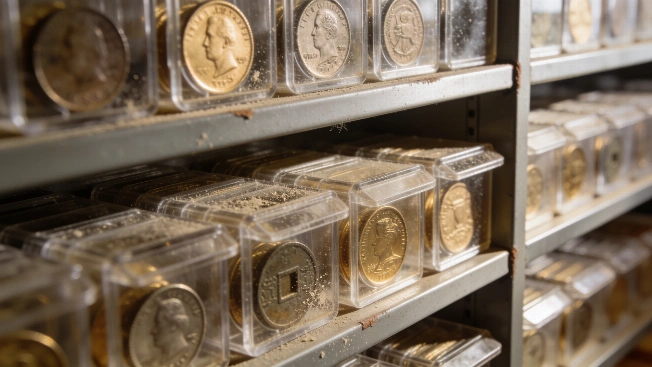
Coin Collecting Faces a Digital Future as Physical Cash Fades
As cash use drops and AI transforms authentication, coin collecting is entering a new era. From digital grading to lunar commemoratives, the next 250 years will test how numismatics adapts to a world where physical currency is no longer essential.
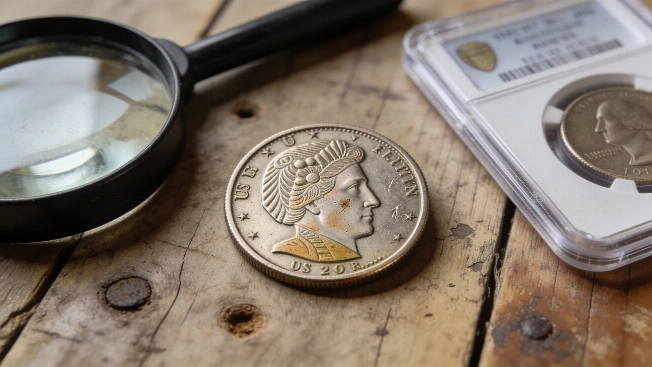
Young Collectors Drive US Coin Market Shift in 2026
A new generation is transforming US coin collecting as modern coins and innovative designs attract younger buyers and women. Dealers report record PCGS submissions and profits shifting away from classic rarities
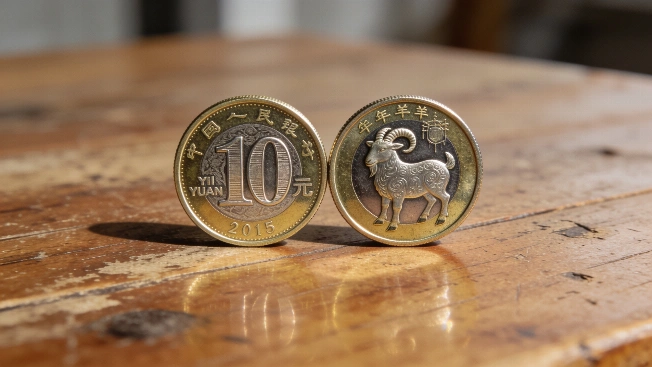
China's 2015 Year of the Goat 10 Yuan Faces Counterfeit Risks
China's 2015 Year of the Goat 10 yuan coin, the first in a bimetallic lunar series, remains popular with collectors but has become a target for counterfeiters. Understanding its security features is essential for buyers and hobbyists
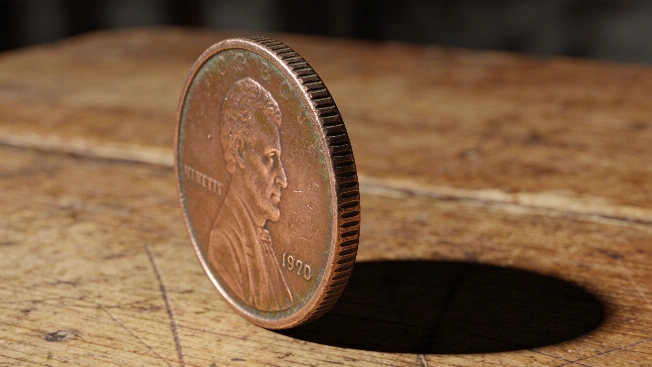
How a $3,500 1804 Large Cent Was Exposed as a Counterfeit
A rare 1804 Large Cent listed for $3,500 on eBay appeared genuine, but a detailed investigation revealed it was a sophisticated electrotype fake, highlighting the risks collectors face even with reputable sellers
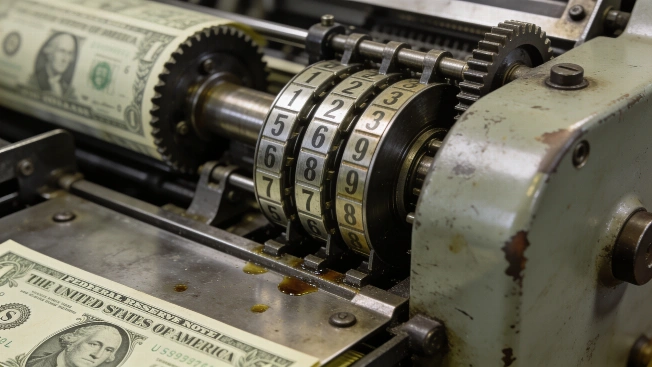
How a 1976 $2 Bill Serial Number Error Became a Collector's Rarity
A rare 1976 $2 Federal Reserve Note with a seven-digit serial number mismatch reveals the mechanical failures that can create some of the most intriguing and valuable errors in U.S. currency collecting
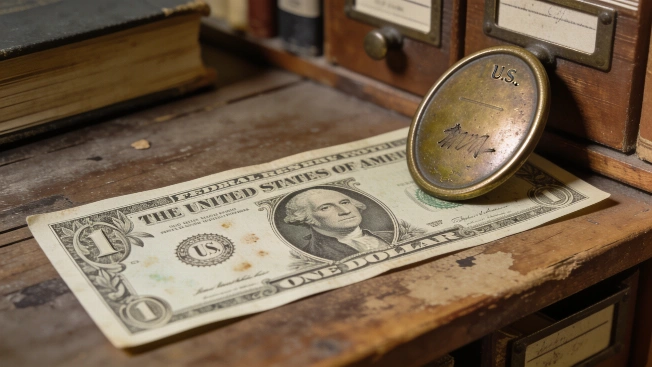
How Bronze Surcharges Created Rare U.S. Fractional Currency Errors
Bronze surcharges were added to U.S. fractional currency in the 1860s to deter counterfeiting, but the process led to unique printing errors. Collectors and historians now study these mistakes for insights into early U.S. banknote production and security.
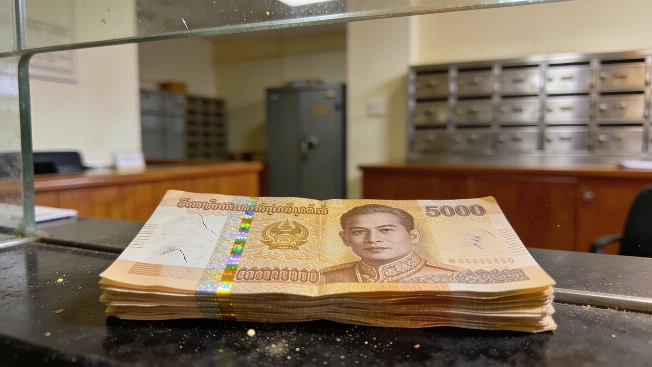
Cambodia Warns of AI-Generated Counterfeit Banknotes Threat
Cambodia's central bank is alerting the public to a new wave of AI-generated counterfeit riel banknotes, raising concerns about the impact on currency trust and the ongoing dominance of the US dollar in daily transactions