A wave of fake and altered 2026 Semiquincentennial quarters is hitting online markets as collector demand intensifies, raising the stakes for buyers and exposing new risks in the US coin market
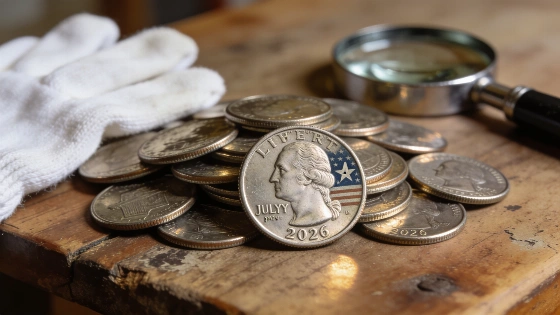
Collectors chasing the rare 2026 Declaration of Independence quarter with its July 4 privy mark are now facing a new threat: a surge of counterfeits and altered coins flooding online marketplaces. As the US Mint's limited release of 250,000 marked quarters sparked a nationwide hunt, opportunists have moved quickly to exploit the frenzy, leaving buyers scrambling to distinguish genuine finds from sophisticated fakes.
Social media platforms are now saturated with reports from collectors who have been deceived by counterfeiters, as well as urgent requests for authentication advice. Many posts point to sellers operating from outside the United States, fueling concerns about the international scale of the problem. The proliferation of these fakes is not just a nuisance-it is actively undermining trust in the market for Semiquincentennial coinage at a time when interest is at its highest in decades.
Authentication Risks and Market Impact
Altered and counterfeit coins are not a new phenomenon, but the current wave targeting the 2026 quarters is notable for its timing and scale. The US Mint's decision to issue a special privy-marked quarter for the nation's 250th anniversary was intended to energize the hobby and attract new collectors. Instead, it has created a lucrative target for counterfeiters, who are now producing coins that can deceive even experienced buyers.
At the recent American Numismatic Association World's Fair of Money in Pittsburgh, dealers reported a sharp uptick in requests for authentication and a noticeable presence of questionable Semiquincentennial coins on the bourse floor. While the total number of fakes in circulation remains unquantified, the volume of online listings and anecdotal evidence from collectors suggest the problem is widespread and growing.
According to the US Mint, only 250,000 of the special July 4 quarters were released into circulation, making them a genuine rarity. This scarcity has driven prices for authenticated examples well above face value, with some sales exceeding $100 per coin in the first weeks after release. The combination of high demand and limited supply has created ideal conditions for fraud, as buyers are often willing to pay a premium without thorough verification.
Lessons from Past Coin Booms
The current excitement around Semiquincentennial coins echoes the speculative fervor seen during the US Bicentennial in 1976, when commemorative issues also attracted waves of new collectors and opportunists. Then, as now, irrational exuberance led to inflated prices and a flood of questionable material entering the market. The lesson from that era is clear: unchecked speculation and inadequate authentication can leave buyers exposed to significant losses.
Efforts by the US Mint and its collector-focused director Paul Hollis to revitalize the hobby deserve recognition, but the risks of a speculative bubble are real. As seen in the previous investigation, the coin collecting world is already grappling with the challenges of digital authentication and the fading role of physical cash. The arrival of high-quality counterfeits only accelerates the need for robust verification tools and buyer education.
For collectors, the stakes are immediate and practical. A single misstep can turn a prized acquisition into a costly mistake, and the presence of fakes erodes confidence in both online and in-person transactions. Dealers, too, face reputational and financial risks if they inadvertently handle or sell altered coins. The market's ability to adapt will depend on how quickly authentication standards and buyer awareness can keep pace with the evolving tactics of counterfeiters.
Understanding Counterfeiting in Modern Coinage
Counterfeiting in the coin market typically involves two main tactics: producing entirely fake coins using base metals and advanced minting techniques, or altering genuine coins to mimic rare varieties by adding marks or modifying features. The 2026 Semiquincentennial quarters are especially vulnerable because the privy mark is small and can be imitated with precision tools. Authentication often requires close examination under magnification and, increasingly, the use of digital verification devices. As technology advances, so do the methods used by counterfeiters, making ongoing vigilance essential for both collectors and dealers.