A rare 1804 Large Cent listed for $3,500 on eBay appeared genuine, but a detailed investigation revealed it was a sophisticated electrotype fake, highlighting the risks collectors face even with reputable sellers
When a well-known coin dealer listed an 1804 Large Cent for sale on eBay at around $3,500, the coin initially appeared to be a legitimate, circulated example of one of the most sought-after dates in early American copper. However, closer inspection by collector and researcher Jack D. Young, along with the Dark Side Group, revealed troubling signs that the coin was not what it seemed. The case quickly became a cautionary tale for collectors navigating the risks of high-value numismatic purchases online.
At first glance, the coin's surface marks and wear patterns looked typical for a circulated cent of its age. Yet, Young recognized several marks that matched those on another 1804 Large Cent he owned-an improbable coincidence if both coins were genuine. The presence of identical scratches and depressions, especially in the same locations, suggested a copying process rather than random circulation damage. This prompted a side-by-side comparison, which confirmed that nearly every highlighted mark was duplicated across both coins.
Surface Clues and Edge Evidence
While the obverse and reverse of the coin closely mimicked the late die state of the genuine 1804 Large Cent (Sheldon-266c), the edge told a different story. Electrotype counterfeits are created by making molds from an original coin and then depositing thin metal shells for the obverse and reverse, which are joined together-often with a filler like lead or solder to add weight. The seam where these shells meet is a classic diagnostic feature, though skilled counterfeiters may attempt to disguise it.
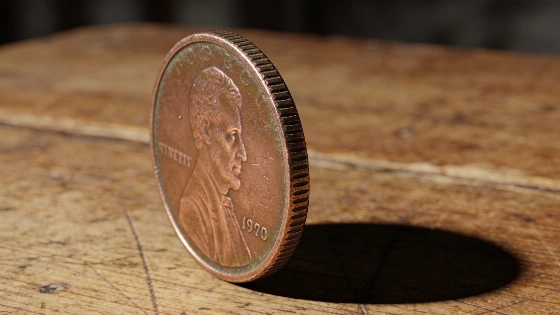
Upon examining the edge, Young and the seller noticed irregularities that did not match the solid, continuous edge of an authentic cent. The edge appeared worked or distorted, likely in an attempt to conceal the join. This physical evidence, combined with the repeated surface marks, made the case for electrotype forgery compelling. The seller, who had owned the coin for about a decade, engaged with the findings and began to reassess the coin's authenticity.
Historical Context and Collector Risks
The Philadelphia Mint struck genuine 1804 Large Cents using a single die marriage, known as Sheldon-266, with an estimated mintage of 96,500 pieces. However, the actual number of surviving coins is far lower, and late die states are especially rare. Electrotypes, which became popular in the mid-19th century, were originally used by museums and collectors to create faithful reproductions of rare coins. While many were openly marked as copies, some were made with deceptive intent, and their quality can still mislead even experienced collectors today.
One additional authentication test involves checking the die alignment. Genuine Sheldon-266 cents typically display a distinctive counterclockwise rotation of the reverse relative to the obverse-often described as about 45 degrees. The electrotype in question even replicated this feature, underscoring how advanced counterfeits can mimic genuine diagnostics.
According to a report from CoinWeek, the risks of encountering sophisticated counterfeits are not limited to obscure sellers or private transactions. Even reputable dealers can unknowingly offer fakes, especially when provenance stretches back decades. The 1804 Large Cent case echoes broader concerns in the rare coin market, where collectors must balance trust in sellers with independent verification. For those interested in the display and authentication of rare American coins, the upcoming World's Fair of Money in Pittsburgh will unite all 11 government-owned 1933 Double Eagles, offering a rare opportunity to see some of the most valuable coins in history together (see this coverage of the $100 million coin event).
Facts and Figures: Electrotypes and Market Impact
Electrotype counterfeits of early American coins, including the 1804 Large Cent, have circulated in the numismatic market for well over a century. While the original mintage of 1804-dated cents is estimated at 96,500, far fewer survive in collectible condition. Electrotypes can sell for hundreds or even thousands of dollars if misidentified, and the presence of high-quality fakes has led to increased scrutiny from grading services and collectors alike. The U.S. Secret Service and other authorities began treating deceptive electrotypes as counterfeits in the late 19th century, with documented seizures starting in 1885.
For collectors, the lesson is clear: authentication requires more than checking for key die features or relying on provenance. Pattern recognition-such as spotting repeated surface marks-and careful examination of the coin's edge are essential. Even advanced counterfeits can reproduce die breaks, lettering, and alignment, but they often falter in replicating the random wear and construction of a genuine coin.
Electrotyping, the process at the heart of this case, involves creating a mold from an original coin and using an electrical current to deposit a thin layer of metal onto the mold. The resulting shells are then joined, sometimes with additional metal deposited around the edge to hide the seam. While the technique was once valued for educational and display purposes, its misuse for counterfeiting has left a legacy of deceptive pieces in the market. Today, collectors and dealers must remain vigilant, combining historical knowledge with hands-on examination to avoid costly mistakes.