A new generation is transforming US coin collecting as modern coins and innovative designs attract younger buyers and women. Dealers report record PCGS submissions and profits shifting away from classic rarities
Forget the stereotype of coin collecting as a pastime for retirees chasing rare 19th-century pieces. In 2026, the US coin market is being redefined by a surge of young collectors, a sharp rise in demand for modern issues, and a visible shift in who is driving profits for dealers and grading services.
At the heart of this transformation is a clear trend: recently issued coins, not just historical rarities, are now the main engine of dealer revenue. Kevin Lipton, a prominent coin dealer, has stated that about 80 percent of his profits now come from modern coins. This is a decisive break from the past, when classic US coins dominated both attention and sales.
Modern Coins and New Audiences
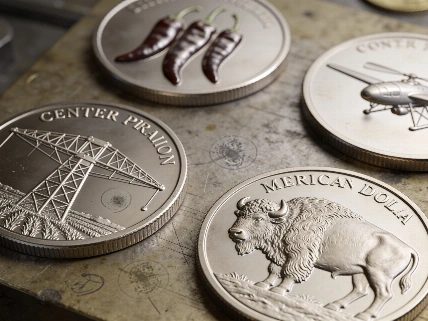
The US Mint's 2026 Supergirl coin is emblematic of the new approach. By introducing innovative themes and designs, the Mint is reaching audiences who previously had little interest in numismatics. These modern issues are not just commemorative tokens-they are actively shaping the market's direction and attracting a younger, more diverse collector base, including a growing number of women.
Dealers at the American Numismatic Association convention in Pittsburgh reported that the bourse floor was filled with younger professionals, both as buyers and sellers. This generational shift is not limited to the customer side; many dealers themselves are now in their 20s and 30s, a marked change from previous decades.
PCGS Submissions and Counterfeit Risks
The Professional Coin Grading Service (PCGS) has seen a dramatic increase in submissions during 2026, reflecting both the volume of new collectors and the popularity of modern coins. The company's 40th Anniversary Award and Cocktail Party in August was more than a celebration-it was a recognition of how quickly the market is evolving. PCGS is also stepping up efforts to combat counterfeit coins, particularly those sold through online platforms such as eBay, as the risk of fakes rises alongside demand.
According to data from PCGS, the number of coins submitted for grading in the first half of 2026 rose by more than 30 percent compared to the same period in 2025. This surge is driven almost entirely by modern issues, with classic coin submissions holding steady but no longer dominating the pipeline. The trend mirrors what was reported earlier about the US Mint's efforts to bring new artistic talent into coin design, further fueling collector interest.
Changing Market Dynamics
While classic US coins continue to hold their value and remain important for long-term collectors, the market's energy has shifted. Dealers who once relied on high-value rarities are now adapting to a landscape where modern coins-often with lower face values but higher production numbers-are the main source of turnover. The influx of younger buyers is also changing the way coins are marketed, with social media and online communities playing a larger role than traditional auction houses or print catalogs.
Women's participation in coin collecting is at an all-time high, according to several dealers at the Pittsburgh convention. This diversification is not just a demographic footnote; it is reshaping the types of coins that are popular and the way the hobby is perceived by the public.
For collectors and dealers alike, the practical consequence is clear: staying relevant in 2026 means understanding the tastes and motivations of a new generation. The days when coin collecting was insulated from broader cultural trends are over. The US Mint's willingness to experiment with themes like Supergirl is not just a marketing ploy-it is a response to real demand from a changing audience.
Understanding Coin Grading and Market Value
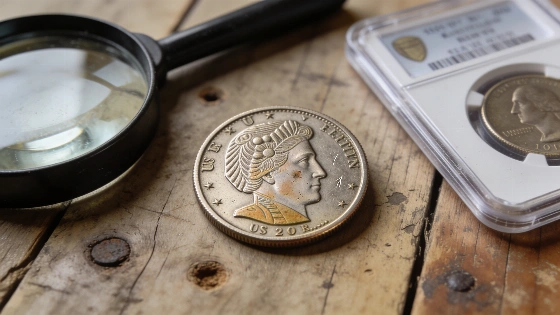
Coin grading is a process by which independent services like PCGS assess the condition and authenticity of a coin, assigning it a grade that can significantly affect its market value. For modern coins, high grades are often the difference between a coin being worth its face value and commanding a substantial premium. As more collectors enter the market, the role of grading services becomes even more central-not only for establishing value but also for protecting buyers from counterfeits and misrepresented items.
Unlike classic coins, where rarity and historical significance are the main drivers of value, modern coins often derive their appeal from design, theme, and condition. This means that even coins produced in large numbers can become highly sought after if they capture the imagination of new collectors or feature innovative artwork. The shift toward modern issues is also making the market more accessible, as entry-level collectors can participate without needing to spend thousands of dollars on a single piece.
The US coin market in 2026 is not simply surviving-it is evolving at a pace few would have predicted a decade ago. The influx of young collectors, the rise of modern coin issues, and the active participation of women are not passing trends but structural changes. Dealers who adapt to these realities are thriving, while those who cling to the old model risk being left behind. The future of US coin collecting will be shaped not by nostalgia, but by the creativity and diversity of its newest participants.
Coin collecting in the United States has historically been associated with the pursuit of rare, often century-old coins, but the current market demonstrates how quickly traditions can change. The role of the US Mint in introducing new designs, the importance of third-party grading for establishing trust, and the impact of online platforms on both sales and counterfeiting are all central to understanding today's numismatic landscape. As the market continues to evolve, collectors and dealers alike must navigate a world where innovation, accessibility, and authenticity are as important as history and rarity.