
Banknote Security
12 articles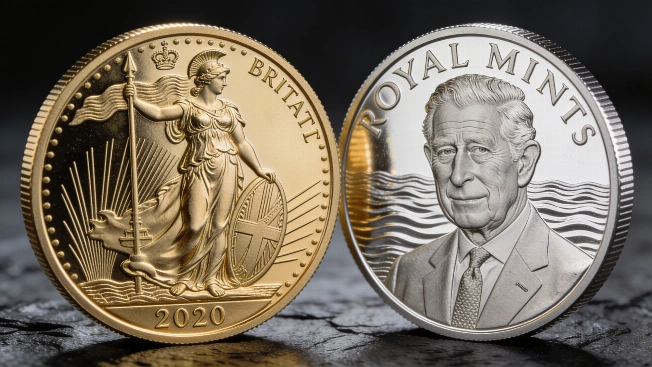
Royal Mint marks Britannia anniversaries with new security on 2027 coins
In 2027, the Royal Mint will issue limited gold and silver Britannia coins with new security features and special anniversary designs, celebrating 40 years of gold and 30 years of silver Britannias.
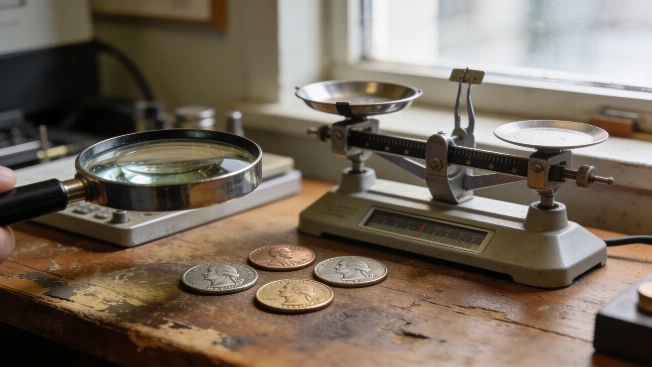
Beth Deisher returns to ACEF board as US coin market faces counterfeit threat
Beth Deisher, a top name in US numismatics and anti-counterfeiting, is back on the Anti-Counterfeiting Educational Foundation board as fake coins keep testing the market.
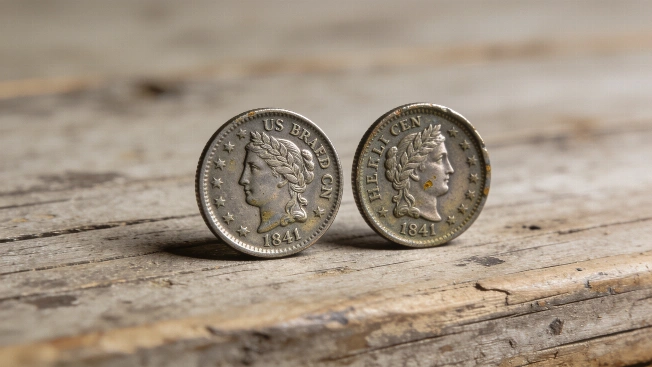
Counterfeit 1841 half cent exposes risks for collectors
A recent submission to Numismatic Guaranty Company reveals how counterfeiters are targeting the elusive 1841 Braided Hair half cent, using advanced electrotype techniques to deceive even experienced collectors
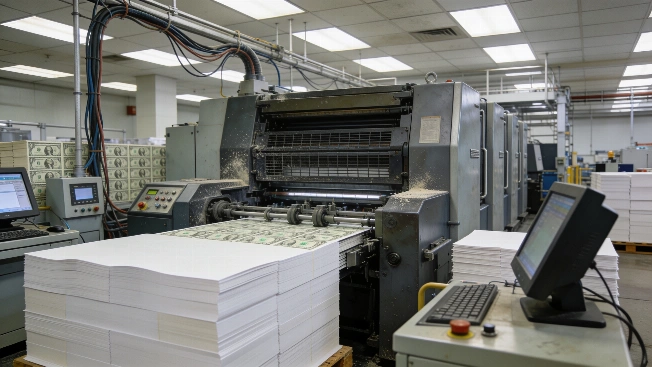
Bureau of Engraving and Printing scraps Maryland move, focuses on Washington DC overhaul
The Bureau of Engraving and Printing has dropped its Maryland relocation and will instead pour resources into new equipment and security at its historic Washington DC site.
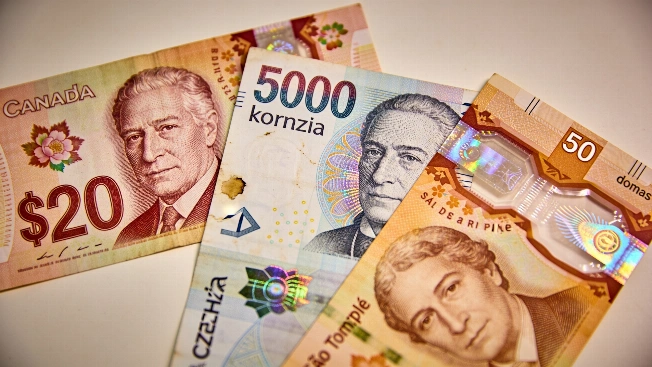
Canada, Czechia, and São Tomé and Príncipe unveil new banknotes
Three countries have rolled out new banknotes that mix history with cutting-edge security. Canada puts King Charles III on its $20 bill, Czechia marks 100 years of central banking, and São Tomé and Príncipe celebrates independence.
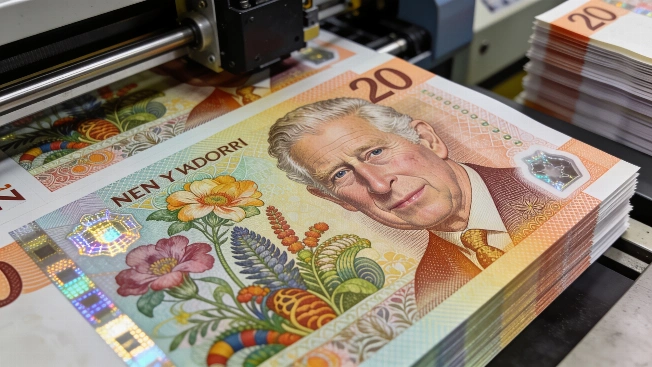
Canada Unveils First Banknote Featuring King Charles III
The Bank of Canada has revealed a redesigned twenty dollar note with King Charles III's portrait, Indigenous plant motifs, and advanced security features. Circulation is set for early 2027, marking a historic first among Commonwealth nations.
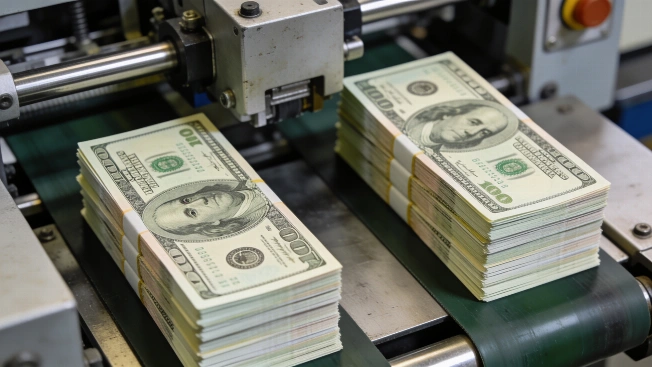
No New Two Dollar Bills as US Shifts Focus to Security Upgrades
The Bureau of Engraving and Printing will not produce any new $2 bills in 2026, prioritizing advanced security features and new tactile elements for other denominations instead. Collectors and cash users will see the $2 note sidelined as modernization accelerates.
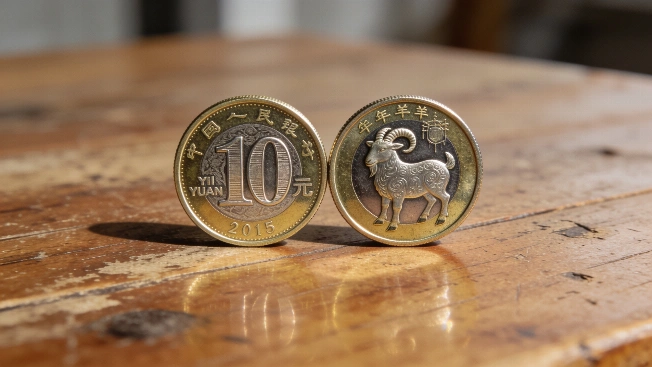
China's 2015 Year of the Goat 10 Yuan Faces Counterfeit Risks
China's 2015 Year of the Goat 10 yuan coin, the first in a bimetallic lunar series, remains popular with collectors but has become a target for counterfeiters. Understanding its security features is essential for buyers and hobbyists
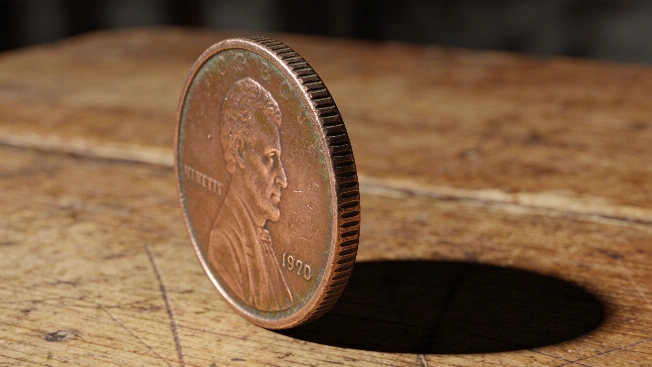
How a $3,500 1804 Large Cent Was Exposed as a Counterfeit
A rare 1804 Large Cent listed for $3,500 on eBay appeared genuine, but a detailed investigation revealed it was a sophisticated electrotype fake, highlighting the risks collectors face even with reputable sellers
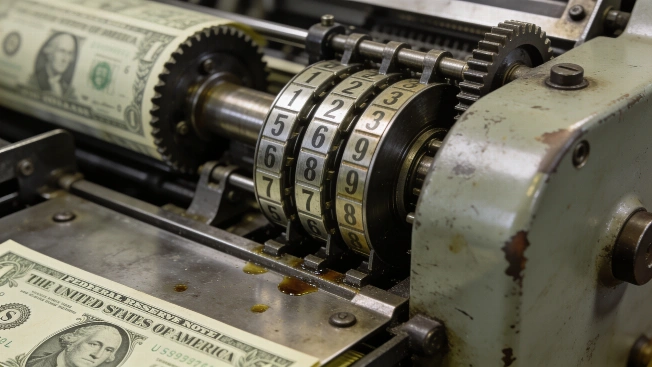
How a 1976 $2 Bill Serial Number Error Became a Collector's Rarity
A rare 1976 $2 Federal Reserve Note with a seven-digit serial number mismatch reveals the mechanical failures that can create some of the most intriguing and valuable errors in U.S. currency collecting
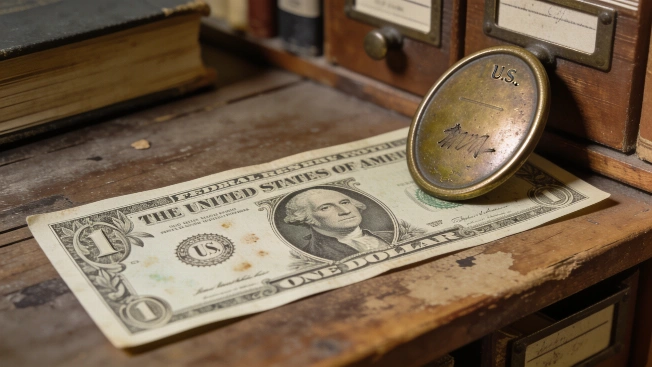
How Bronze Surcharges Created Rare U.S. Fractional Currency Errors
Bronze surcharges were added to U.S. fractional currency in the 1860s to deter counterfeiting, but the process led to unique printing errors. Collectors and historians now study these mistakes for insights into early U.S. banknote production and security.
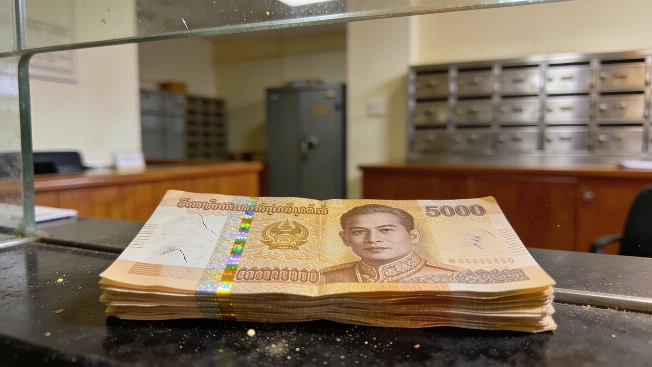
Cambodia Warns of AI-Generated Counterfeit Banknotes Threat
Cambodia's central bank is alerting the public to a new wave of AI-generated counterfeit riel banknotes, raising concerns about the impact on currency trust and the ongoing dominance of the US dollar in daily transactions