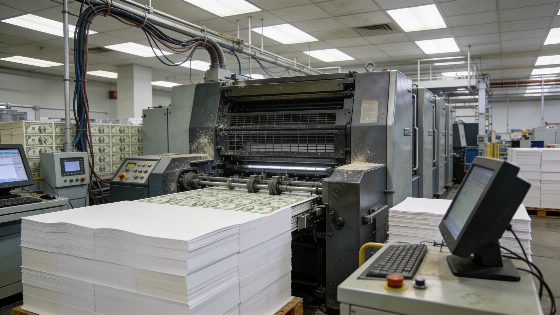
The Bureau of Engraving and Printing has dropped its Maryland relocation and will instead pour resources into new equipment and security at its historic Washington DC site.
Plans for a brand-new currency plant in Maryland are off. The Bureau of Engraving and Printing (BEP) has decided to keep printing money in Washington DC, where its main facility has stood for over a hundred years. Instead of building from scratch, the agency will upgrade the old plant with new machines and tighter security. This move comes even though BEP's own numbers showed a new site could have saved hundreds of millions over the next decade. Federal agencies everywhere are tightening budgets. The Federal Reserve is watching spending and how it might affect inflation. That pressure is real.
The BEP Replacement Facility newsletter and a September 21, 2026 notice confirm the change. The US Army Corps of Engineers canceled the Maryland project. The reason: not enough money and a smaller project scope. The official document is blunt. "No award will be made." That's straight from the BEP cancellation notice. Procurement plans are shifting. The BEP and the Corps are now rethinking what comes next. For now, the focus is on fixing up the Washington plant, not starting over in Beltville. This fits with recent US Treasury guidance on capital spending and risk, as seen in Federal Reserve policy meeting minutes.
Cost calculations and project scope
Building in Maryland would have been cheaper in the long run. Government Accountability Office data shows the BEP could have saved $568 million over ten years compared to fixing the old plant. The Maryland site was big-122 acres, much of it forest. The Army Corps of Engineers was set to manage the $1.4 billion build. Plans included environmental reviews and work with small businesses like Sorba Civil Engineering, a woman-owned firm. But the land transfer between the Department of Agriculture and the Treasury was never fully settled. The Environmental Chamber solicitation was canceled in late September 2026. That's another sign of shifting plans and paperwork, as recent regulatory filings show.
With Maryland off the table, the BEP will spend on repairs, safety, and better security in Washington DC. That plant has been running for more than a century. The Fort Worth, Texas, facility-opened in 1991-will also get upgrades if needed. Both sites must keep up with demand for US currency. The US dollar is still the world's main reserve currency. The International Monetary Fund reported that in 2026, the dollar made up about 58% of all allocated global foreign exchange reserves.
Technology upgrades and production changes
The BEP's modernization plan is ambitious. New intaglio printing presses are coming. Electronic inspection systems and automated finishing gear will be installed. The BEP Capital Investment Plan for Budget Year 2027 spells it out. Non-Sequential Large Examining and Printing Equipment will boost sheet capacity from 32 to 50 notes per run. Offset presses are set for 2025. A major overhaul of the Inspection Finishing System is planned for 2026. The upgrade will bring in advanced computers, cameras, and custom software. These tools will spot and sort bad notes faster, cutting waste by rejecting only the flawed bills, not whole sheets. Central banks in Europe and the UK are making similar moves. The European Central Bank and Bank of England have both pushed for more automation and better security in their own banknote plants.
There's more. The BEP will upgrade its Currency Inspection System for in-line checks. The Banknote Processing System will be replaced to improve quality control. In 2027, both the Western Currency Facility in Fort Worth and the DC plant will get Deblocker Equipment. This gear separates sticky ink sheets, keeps machines running, and improves output. These changes will help the BEP handle swings in currency demand. The Federal Reserve Board tracks those shifts in its payments systems reports.
Production volumes and security features
The BEP's Fiscal Year 2026 President's Budget backs the printing of 4.4 billion banknotes. The agency is also investing in the Catalyst Series, a new line of notes with stronger security. The Catalyst Series adds tactile features so people with vision loss can tell bills apart by touch. The $10 note will be the first to use this system. These upgrades are meant to fight counterfeiting and keep US currency safe. The Federal Reserve, which handles new note distribution and manages the cash supply, has made strong security a top priority in its anti-counterfeiting work.
Maryland would have meant a fresh start. Instead, the BEP is choosing to modernize what it already has. It's a practical call, shaped by budget limits and changing needs. The focus is on better inspection and printing tech. That means more efficiency and stronger security, even in an old building. The US Treasury is still trying to control costs while keeping trust in the dollar high. Global currency markets are watching every move from the Federal Reserve and other big central banks. The stakes are high.
Understanding banknote production upgrades
Modern banknote printing mixes old and new. Intaglio presses make the raised print and fine lines that are tough to fake. Electronic inspection systems use cameras and software to catch flaws fast. Automated finishing machines sort, stack, and pack notes, cutting down on manual work and mistakes. Upgrades to these systems mean more notes, better quality, and new security features. That's how public trust in cash is built-and kept.