
The Bank of Canada has revealed a redesigned twenty dollar note with King Charles III's portrait, Indigenous plant motifs, and advanced security features. Circulation is set for early 2027, marking a historic first among Commonwealth nations.
Canada will soon issue a new twenty dollar banknote featuring King Charles III, the first time a Commonwealth country has placed his image on its circulating currency. The Bank of Canada announced that the note will enter circulation in late February 2027, giving banks and retailers time to prepare for the change. The update comes as the Canadian dollar remains in focus for foreign exchange markets, especially with recent policy moves by the Bank of Canada and ongoing global monetary tightening.
Design details and symbolism
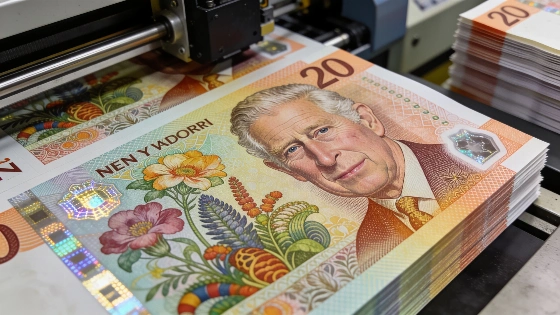
The new note is vertically oriented and puts King Charles III's portrait front and center. This is the first time in over seventy years that a new monarch will appear on a Canadian $20 bill. Behind the portrait, thirteen floral emblems represent each province and territory. Below the purple security stripe, four plants-wild strawberries, western red cedar, braided sweetgrass, and arctic cotton-appear. These were chosen for their cultural importance to Indigenous peoples, following input from the Bank of Canada's Indigenous Advisory Circle. The design follows a wider trend among central banks to include national and cultural symbols on their notes.
The reverse side features the Vimy Ridge Memorial in France, a tribute to Canada's role in World War I. The mix of royal, national, and Indigenous imagery is meant to reflect Canada's diverse heritage. The vertical layout, first used on the $10 note with Viola Desmond, continues with this new bill.
Security features and rollout
The note includes a purple security stripe with moving effects in the maple leaf, poppy, and numerals to help prevent counterfeiting and make it easier to check authenticity. The official release is planned for late February 2027, giving financial institutions and businesses time to adjust. Bank of Canada Governor Tiff Macklem described the note as "striking, symbolic and secure," combining new anti-counterfeiting technology with imagery that reflects Canada's history and landscape.
Canada has often led the way in banknote design. While other Commonwealth countries have updated their currency for new monarchs, Canada is the first to put King Charles III on a circulating note. The Bank of Canada's phased rollout follows international best practices for smooth currency transitions.
Context and practical considerations
Introducing a new banknote involves more than changing a portrait. Banks, businesses, and payment systems need time to adapt, and the Bank of Canada's timeline allows for technical updates and public education. The note's combination of royal portrait, Indigenous plants, and new security features is likely to draw interest from collectors and the public alike.
The new twenty dollar note will be released in early 2027. It features a dynamic security stripe, vertical orientation, thirteen floral emblems for the provinces and territories, four Indigenous plants below the stripe, and the Vimy Ridge Memorial on the reverse.
Updating a national banknote means balancing tradition, security, and inclusivity. Including Indigenous plant motifs alongside the royal portrait reflects a broader shift in currency design, where notes serve as both secure payment tools and symbols of national identity. As new notes are introduced, central banks must also manage the withdrawal or continued use of older bills, educate the public about security features, and work with businesses to ensure acceptance. These steps help maintain trust in physical currency as payment habits change. The Bank of Canada's actions are watched by global markets, with the Canadian dollar's value shaped by both domestic policy and international factors like U.S. Federal Reserve decisions and inflation trends.