
Decimalisation
8 articles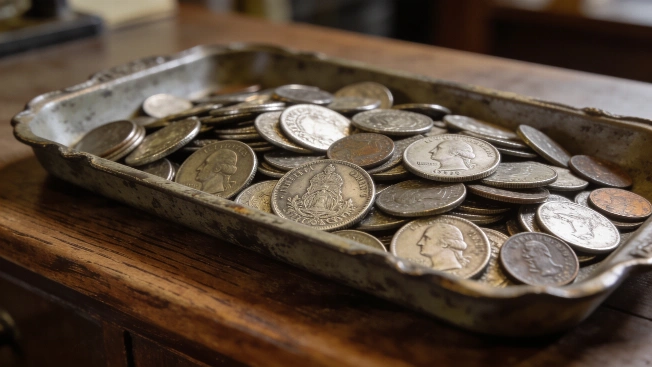
US bans foreign coins and shrinks the cent in 1857 currency overhaul
The Coinage Act of 1857 forced foreign coins out of US circulation and introduced a smaller, nickel-based cent. This move standardized American money and ended the use of Spanish and Mexican silver in daily transactions.
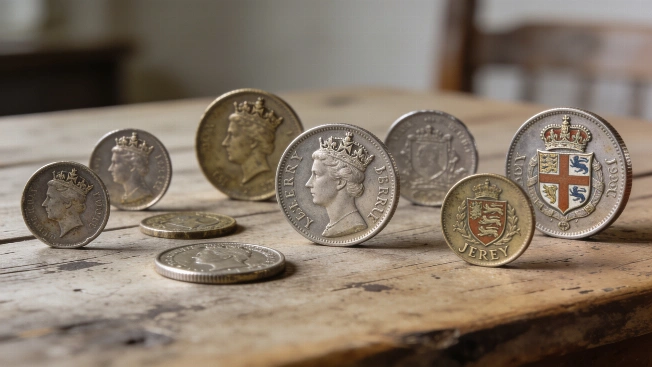
Jersey's Coinage: From Wartime Shortages to Decimalization and Royal Change
Jersey's coins and banknotes reveal a century of political upheaval, wartime occupation, and monetary reform, from rare royal issues to the transition to decimal currency and the latest commemorative coins
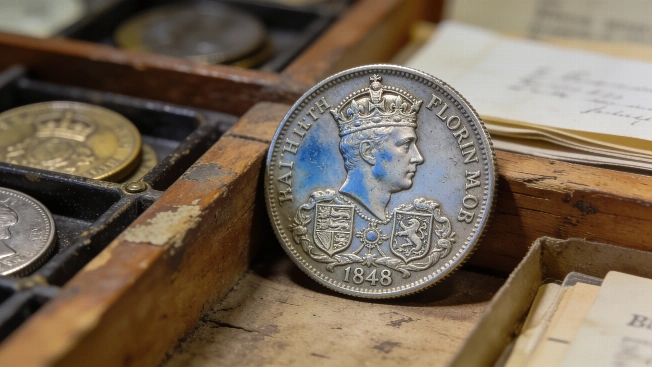
1848 Gothic Florin Pattern Returns to Spotlight After "Godless Florin" Scandal
A rare 1848 Gothic Florin Pattern, central to Britain's early decimalization and the "Godless Florin" controversy, will be auctioned in 2026. Its story reveals how a single coin design ignited debate over tradition, religion, and monetary reform.
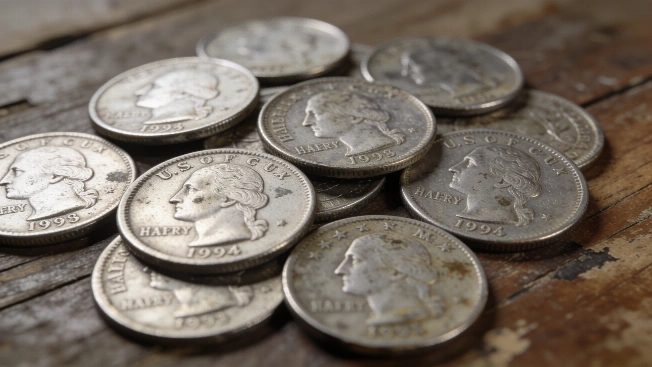
How Half Dimes Shaped Early U.S. Coinage and Monetary Policy
Half dimes, minted in silver from 1794 to 1873, reveal how the United States transitioned from foreign coins to a national decimal system and adapted to changing economic realities, including the rise of nickel coins
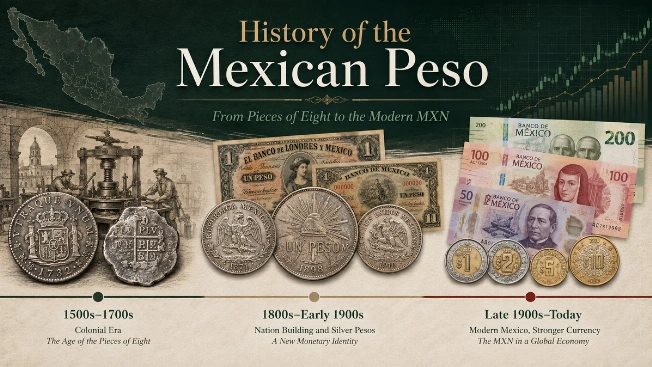
History of the Mexican Peso: From Pieces of Eight to the Modern MXN
The Mexican peso grew out of the silver pieces of eight minted in New Spain and used across the Americas, Europe and Asia. This detailed history follows the currency from pre-Hispanic exchange and the first mint in the Americas through independence, the 1982 debt crisis, the 1993 nuevo peso redenomination and today’s floating MXN.
History of the Japanese Yen: From Edo Money to the Modern JPY
The Japanese yen emerged from a sweeping nineteenth-century reform that replaced the gold, silver, copper and paper currencies of the Edo period with a unified decimal system. This detailed history follows the yen from the 1871 New Currency Act and the creation of the Bank of Japan through the gold standard, the ¥360 post-war dollar peg, the 1973 float and the modern JPY.
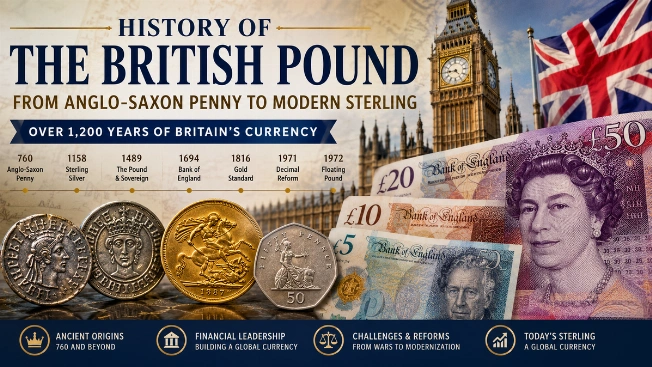
History of the British Pound: From Anglo-Saxon Silver to Modern Sterling
The pound sterling began as a weight-based unit built around the Anglo-Saxon silver penny and developed into the leading currency of nineteenth-century global finance. This detailed history follows sterling through medieval coinage, the Bank of England, the gold standard, wartime devaluations, Decimal Day, Black Wednesday and today’s floating GBP.
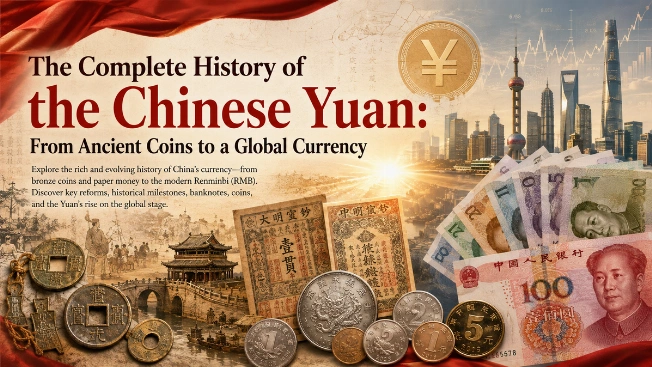
History of the Chinese Yuan: From Ancient Coinage to the Modern Renminbi
The Chinese yuan stands at the end of one of the world’s longest monetary histories, stretching from cowrie shells and bronze cash coins to paper money, silver dollars and the modern renminbi. This detailed guide explains the reforms, political crises and monetary institutions that shaped China’s currency, including the creation of the RMB in 1948, the 1955 redenomination and the development of the digital yuan.