The Coinage Act of 1857 forced foreign coins out of US circulation and introduced a smaller, nickel-based cent. This move standardized American money and ended the use of Spanish and Mexican silver in daily transactions.
When the Coinage Act of 1857 took effect, the United States stopped accepting foreign coins as legal tender. Spanish and Mexican silver, once common in daily trade, disappeared from cash drawers. The country switched to a currency system made only of US-minted coins. The law did more than just ban foreign money. It also changed the American cent, making it smaller and using a new metal mix for the first time since the Mint opened. This shift was part of a bigger push to standardize money, a goal that still shapes how the Federal Reserve manages the US dollar today.
Foreign coins out, US Mint in
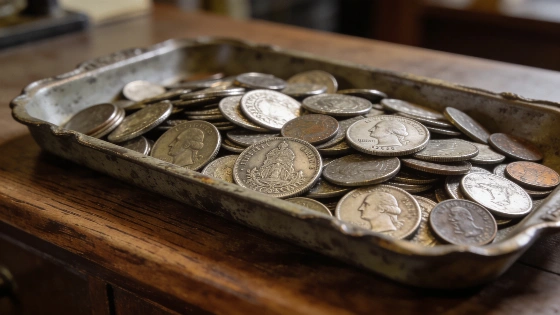
For years, the US economy ran on a mix of coins from Britain, Portugal, France, Spain, and Mexico. The US Mint, created in 1792, could not make enough coins to meet demand. In 1806, Congress set official values for foreign gold and silver coins, tying them to US standards and letting them circulate legally. Spanish pillar dollars and Mexican silver pieces became everyday money. Their fractions-quarters, eighths, and sixteenths-were accepted at fixed rates in government offices and post offices. The U.S. Mint says this reliance on foreign coins was a direct answer to the shortage of US coins in the early years of the republic. Similar problems have hit other countries facing currency mismatches and foreign exchange swings, as shown in IMF country reports.
By the 1850s, things had changed. New branch mints in New Orleans, Dahlonega, and Charlotte, plus better output from the Philadelphia Mint, meant the US could finally make enough coins. Foreign coins used non-decimal systems, which clashed with the US dollar's decimal setup. This made life harder for merchants and shoppers. The Coinage Act of 1857 took control. Only coins made by the US Mint would stay legal. Foreign coins were collected, valued at set rates, and sent to the Mint to be melted and recoined. They would not return to circulation. This push for a single currency system is similar to later reforms in other countries, where central banks like the European Central Bank have worked to harmonize currency and cut transaction costs and exchange rate risk.
Redesigning the cent and ending the half-cent
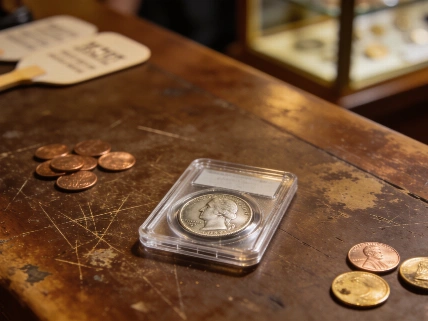
The Act did more than remove foreign coins. It also got rid of the half-cent, a coin used since 1793 but now nearly worthless as prices and wages rose. The cent itself changed shape. The old large copper cent, almost as big as today's dollar coin, was replaced by the smaller Flying Eagle Cent. This new coin was made from 88% copper and 12% nickel. It was lighter and cheaper to make. But the Flying Eagle Cent had problems. Its design struck poorly, and it was dropped after just two years. The Indian Head Cent replaced it. U.S. Mint records show that dropping the half-cent and redesigning the cent were direct results of the 1857 Act. The goal was to cut costs and keep up with economic changes.
Section 2 of the Act made it clear: Spanish and Mexican coins received by the Treasury or other government offices would not be paid out again. They were to be recoined, speeding up the removal of foreign coins from the economy. The Act's focus on decimal coins and US Mint production ended the era of mixed-currency trade. This move to a single legal tender system is like modern central bank actions in the foreign exchange market, where authorities buy or sell currency to keep things stable, as explained in the Federal Reserve's monetary policy framework.
Standardization and control
The Coinage Act of 1857 was more than a technical fix. It was a clear claim of national control over money. By ending the legal status of foreign coins, Congress set up a unified, decimal-based currency and took charge of the money supply. The Act marked the final step away from a patchwork system that relied on foreign coins. For collectors and historians, the Act's impact lives on in the coins themselves-especially the short-lived Flying Eagle Cent, a real piece of this reform. The push for standardization foreshadowed later moves in monetary policy, where groups like the Bank for International Settlements stress the need for clear legal tender rules for financial stability.
Anyone interested in how US coins have tracked bigger changes in money can look at the Civil War coinage analysis for another view of how coins changed during times of financial stress and reform.
Facts and figures
The Coinage Act of 1857 became law on February 21, 1857. It repealed all earlier laws that let foreign coins be used as legal tender, including the Act of April 10, 1806. The Act set fixed values for Spanish and Mexican silver: a quarter (two reals) at twenty cents, an eighth (one real) at ten cents, and a sixteenth (half real) at five cents. The Flying Eagle Cent, launched in 1857, was 88% copper and 12% nickel. It was dropped after two years because of production problems. Cutting the half-cent and shrinking the cent were both meant to make coinage simpler and cheaper. This idea still guides modern currency redesigns by the U.S. Treasury and the Federal Reserve Board.
Decimalization and the end of foreign specie
Decimalization means building a currency system around units of ten, like dollars and cents. The US used this system from the start, but foreign coins-often based on other systems-stayed in use for years because there were not enough US coins. The Coinage Act of 1857 forced the use of only US-minted, decimal coins. This made calculations and trade easier. It also strengthened the government's control over money and set the stage for later reforms and the removal of other outdated coins. The Act's legacy lives on in the focus on currency integrity and legal tender status by modern central banks, as shown in the ECB legal framework for the euro.