
International Monetary Fund
10 articles
UAE Central Bank brings global banking leaders to Bangkok
Top financial leaders will gather in Bangkok this October at the invitation of the UAE Central Bank. The goal: push cross-border banking partnerships and speed up sustainable finance and digital change worldwide.

Bank of Cairo gears up for landmark share sale on Egyptian Exchange
Egypt is set to list a large stake in Bank of Cairo on the Egyptian Exchange. International development banks want a 10 percent share, and the government hopes to raise up to 650 million US dollars.
Personal loans in UAE hit 616 billion dirhams in 2026
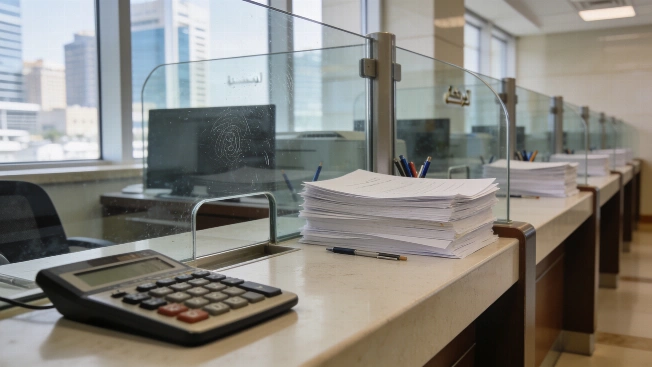
Personal loans for consumer spending in the UAE soared to 616 billion dirhams by mid 2026, accounting for nearly a third of all bank credit and outpacing growth in other key sectors
Abu Dhabi First Bank targets Asia trade with Singapore summit
Abu Dhabi First Bank wrapped up its third Middle East Asia Summit in Singapore, where capital flows and technology took center stage in talks about reshaping trade and investment between the two regions.
Rupee Faces Oil Pressure as RBI Intervention Caps USD/INR Rise
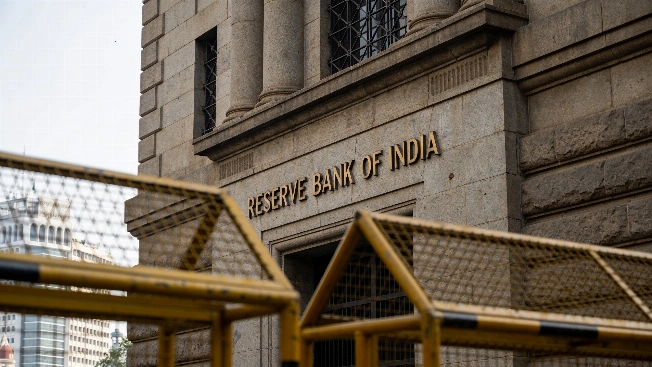
Analysts expect the Reserve Bank of India to limit rupee losses against the US dollar in the coming quarters, but high oil prices and global risks could test the central bank's ability to maintain stability
Argentina Relaxes Dollar Lending Limits to Boost Business Credit
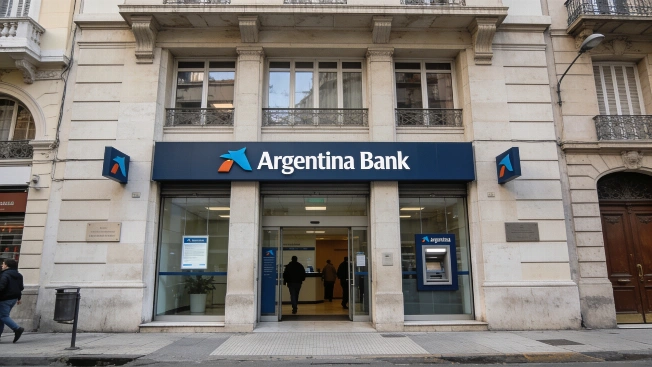
Argentina is easing restrictions on banks lending US dollars to companies, aiming to expand credit for businesses facing high peso interest rates and support economic recovery amid ongoing financial reforms
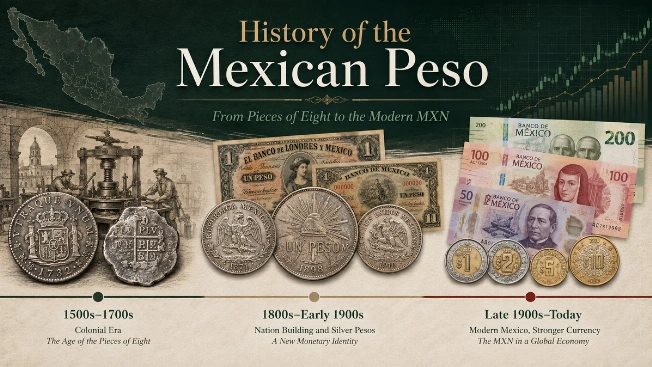
History of the Mexican Peso: From Pieces of Eight to the Modern MXN
The Mexican peso grew out of the silver pieces of eight minted in New Spain and used across the Americas, Europe and Asia. This detailed history follows the currency from pre-Hispanic exchange and the first mint in the Americas through independence, the 1982 debt crisis, the 1993 nuevo peso redenomination and today’s floating MXN.
History of the Japanese Yen: From Edo Money to the Modern JPY
The Japanese yen emerged from a sweeping nineteenth-century reform that replaced the gold, silver, copper and paper currencies of the Edo period with a unified decimal system. This detailed history follows the yen from the 1871 New Currency Act and the creation of the Bank of Japan through the gold standard, the ¥360 post-war dollar peg, the 1973 float and the modern JPY.
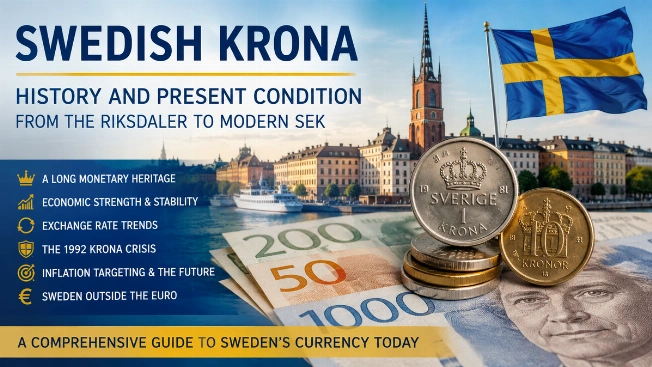
History and Present Condition of the Swedish Krona: From the Riksdaler to Modern SEK
The Swedish krona grew out of centuries of copper, silver, paper money and riksdaler reforms before becoming Sweden’s national currency in 1873. This detailed guide follows SEK through the Scandinavian Monetary Union, the 1992 currency crisis, inflation targeting, the 2003 euro referendum and the increasingly digital Swedish payment system of 2026.
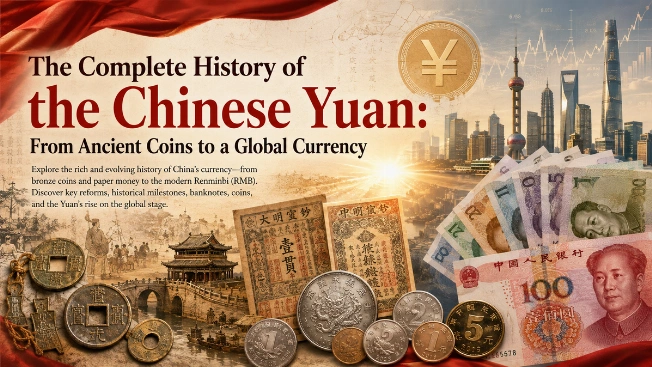
History of the Chinese Yuan: From Ancient Coinage to the Modern Renminbi
The Chinese yuan stands at the end of one of the world’s longest monetary histories, stretching from cowrie shells and bronze cash coins to paper money, silver dollars and the modern renminbi. This detailed guide explains the reforms, political crises and monetary institutions that shaped China’s currency, including the creation of the RMB in 1948, the 1955 redenomination and the development of the digital yuan.