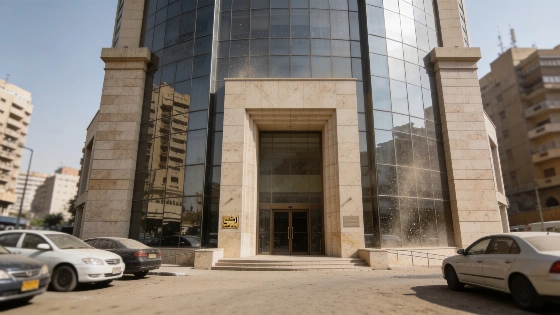
Egypt is set to list a large stake in Bank of Cairo on the Egyptian Exchange. International development banks want a 10 percent share, and the government hopes to raise up to 650 million US dollars.
Bank of Cairo is about to take center stage in Egypt's privatization push. The government is moving fast to sell a major stake, aiming to raise between 23 and 32 billion Egyptian pounds-roughly 460 to 650 million US dollars-through a public offering on the Egyptian Exchange. Years of restructuring and failed talks with strategic buyers have led to this moment. Now, Bank of Cairo stands at the heart of the country's plan to bring in private capital. The Central Bank of Egypt is watching every step, making sure the process stays on track and the currency remains steady. Central Bank of Egypt.
Interest from abroad is already strong. The European Bank for Reconstruction and Development and the International Finance Corporation want to buy a combined 10 percent stake in the IPO, according to officials. Their involvement is meant to reassure investors about the bank's health and draw more money into Egypt's banking sector. Bank of Cairo has also worked closely with the IFC, bringing in climate finance strategies and new rules for environmental and social risks. These changes line up with standards from the International Monetary Fund and the World Bank.
Valuation and capital increase
Bank of Cairo's fair value is set at about 78 billion Egyptian pounds, or 1.5 billion US dollars, based on a recent independent review. In December, the board approved a capital increase from 20.5 billion to 30.5 billion Egyptian pounds. The goal is to make the bank stronger and ready for growth. The plan calls for 5 billion new shares at 2 pounds each, but this still needs the green light from the central bank and the general assembly. Egypt's monetary authorities are keeping a close eye on liquidity and foreign reserves. The Egyptian pound has lost a lot of ground against the US dollar. That's a sign of bigger economic pressures and the effect of global interest rate hikes led by the Federal Reserve.
Bank of Cairo's financials show the impact. In the first half of 2025, pre-tax profits hit 10.726 billion Egyptian pounds, up from 8.340 billion a year earlier. Net profit after tax reached 7.459 billion, compared to 5.710 billion. By September, customer deposits topped 347 billion Egyptian pounds. Loans and facilities to clients stood at 187.4 billion. These numbers come as Egypt's capital markets remain volatile. The EGX30 index dropped to 51,894.83 points on September 30, 2026, then bounced back 2.2 percent the next day. Nerves are high ahead of big listings. EGX market wrap.
Privatization strategy and international interest
This sale is part of a bigger plan to shrink the state's role in the economy and bring in private money. It's a key part of Egypt's deal with the International Monetary Fund. The government plans to offer 30 to 40 percent of Bank of Cairo's shares. The process will start after MNT-Halan, another major company, lists on the exchange. The European Bank for Reconstruction and Development may take up to 5 percent, with the International Finance Corporation expected to buy the rest of the targeted 10 percent. Market watchers see this IPO as a test of foreign investor appetite. International investors have been net sellers on the EGX through 2026, according to sector data.
Earlier efforts to sell Bank of Cairo to a strategic investor, including Emirates NBD, fell apart over price. Emirates NBD raised its offer from 1.2 to 1.5 billion US dollars, but the government wanted 1.8 billion. The last official valuation before now was in 2008, when the National Bank of Greece put the bank's value at 2 billion US dollars. At that time, the Egyptian pound traded at about 5.5 to the dollar. By 2026, it's nearly 47 to the dollar. That's a huge drop. The currency's slide shows the impact of repeated devaluations and rising inflation. The Central Bank of Egypt has raised policy rates several times to try to keep inflation in check and steady the currency, following advice from the IMF and the Bank for International Settlements.
Egypt's privatization program started in February 2023 with 32 state-owned companies, including Bank of Cairo. The list later grew to 35. The government is pushing for more public offerings after the IMF called for faster reforms, lower public debt, and more social spending, while making room for private business. The MNT-Halan IPO is seen as a key test. Its outcome could shape what happens next for Bank of Cairo and other listings.
Regulatory process and next steps
The sale needs regulatory approval. The State-Owned Enterprises Unit will finish the fair value review and send the prospectus to the Financial Regulatory Authority. EFG Holding and CI Capital are lead advisors. Baker Tilly is the independent financial consultant. The government wants the sale done before the end of 2026, after all technical and legal work is finished. Oversight will be strict. The Central Bank of Egypt and the Financial Regulatory Authority will check compliance with new anti-money laundering rules and market conduct standards. Egypt is working to bring its financial sector in line with global best practices.
Bank of Cairo's recent reforms and capital boost have made it a stronger player in Egypt's banking world. Former Banque Misr deputy chair Soha El-Damaty says these steps have lifted the bank's performance and make a successful public offering more likely. The capital increase is a big draw for investors, especially with the bank's large capital base and better profits. The bigger picture includes ongoing changes in monetary policy. The Central Bank of Egypt is adjusting rates and managing liquidity to deal with outside shocks and local inflation, as shown in recent policy meeting minutes and IMF reports.
For background, the government's approach to privatization and price disputes echoes earlier events with Emirates NBD, which has been active in Egypt's banking sector, as reported earlier.
Facts and figures
Bank of Cairo's fair value is 78 billion Egyptian pounds, or about 1.5 billion US dollars. The government wants to sell 30 to 40 percent of shares. Pre-tax profit for the first half of 2025 was 10.726 billion Egyptian pounds. Customer deposits passed 347 billion by September 2025. The Egyptian pound has dropped sharply since 2008, from about 5.5 to nearly 47 per dollar by 2026. This slide comes from local fiscal pressures, global rate hikes led by the Federal Reserve, and moves by the Central Bank of Egypt to manage volatility and protect reserves.
Selling state-owned banks is never simple. It takes regulatory sign-off, tough talks over value, and careful timing. Egypt's plan is to cut public ownership in key sectors, bring in foreign money, and meet global commitments. The Bank of Cairo sale is more than just a deal. It's a test of faith in Egypt's reforms and the strength of its banks. International development banks are backing the move. But the final result will depend on market demand, regulatory approval, and whether the government accepts market pricing. The stakes are high.