Fake gold and silver bars are now so convincing that even sealed packaging is no guarantee. Simple tests and trusted dealers are no longer enough-real protection now depends on advanced checks and sharper vigilance.
Collectors and investors used to trust sealed packaging, familiar markings, and well-known dealers when buying gold and silver bullion. That trust is now under strain. Counterfeiters have caught up. Their fakes can pass basic checks and even slip into respected sales channels. This is happening as gold trades above $2,000 an ounce in 2026, a price driven by global inflation worries and shifting central bank policies tracked by the Federal Reserve and other top monetary authorities.
Modern fakes are not just crude copies. They can match the weight, size, and look of real bullion. Some even copy branded packaging and serial numbers. This has forced both experienced collectors and new buyers to rethink how they check for authenticity. The European Central Bank (ECB) points out that when demand for physical gold rises-often because of currency swings or negative real yields on government bonds-counterfeiters find more chances to sell fakes, especially when buyers chase deals below the spot price.
Trusted sources are not immune
Many people think buying from a big-name dealer or a well-known marketplace means the gold is real. It lowers the risk, but does not remove it. Reuters' 2026 guidance warns that even accredited dealers can end up with advanced fakes. Buyers should always check assay certificates, make sure serial numbers and packaging details match, and be careful with prices that seem too low. Counterfeit bullion has turned up in estate collections, pawn shops, online sales, and even in legitimate businesses that took in fakes by mistake. One fake can enter a collection through a private sale or as a gift and stay hidden for years. Every piece needs to be checked, no matter where it came from.
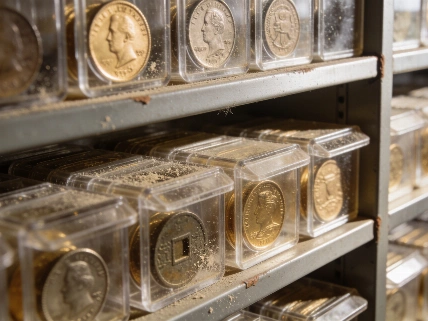
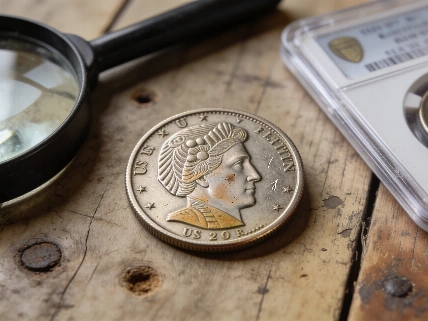
Even large, carefully built collections are at risk. This is not just theory-there have been cases where fakes were found after years of trusted deals. The same problem has hit rare coin markets, as shown in a recent analysis on grading and collector trust.
Limits of basic testing
Weighing, measuring, using magnets, or acid kits are common first steps at home. But these tests have clear limits. Gold-testing experts and the Bank for International Settlements (BIS) warn that advanced fakes can match weight and size while hiding a non-gold core. This makes simple tests unreliable for expensive items. Drilling into a bar might show what is inside at one spot, but it damages the bar and can miss clever fakes, like gold-plated tungsten bars that have the same density as gold. No single test can give full certainty.
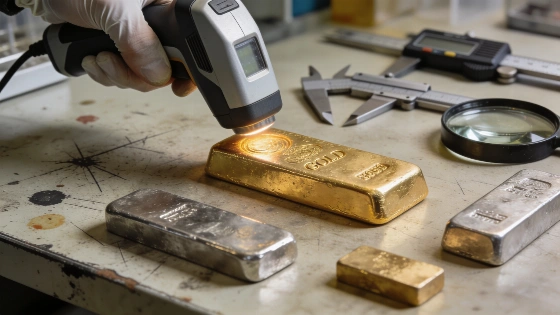
Professional checks use several advanced tools. These include precise measurements, density checks, X-ray fluorescence (XRF), conductivity tests, and ultrasonic scans. Each method looks for different signs of a fake. Used together, they give a much better result than any one test alone. The GoldLab guide says only advanced methods like XRF or conductivity testing can reliably spot layered or core-based fakes.
Packaging and price point myths
Sealed packaging and branded assay cards are meant to reassure buyers. But counterfeiters now copy these features with surprising skill. Reuters' 2026 consumer guidance notes that minted bullion often comes in tamper-evident packaging with serial numbers and specs. Still, buyers should look for changed numbers, broken seals, or paperwork that does not match-these are red flags. The focus must be on the bullion itself, not just its container. Packaging alone is no longer a safe bet.
It is also wrong to think only expensive items are targeted. Counterfeiters often go after popular products that are easy to sell, like one-ounce gold bars, government-issued coins, silver rounds, and small gold pieces. These are in demand and easy to recognize, so they are prime targets no matter the price. The official stamp or hallmark, as defined by TD Precious Metals, shows content, purity, weight, and mint or refinery origin. But these marks are now just a starting point-fakes copy them too.
Authentication beyond the purchase
Checking for fakes does not stop after you buy. Inherited collections, even with receipts and paperwork, can hide counterfeits. Authentication helps with future sales, insurance, and estate planning. It gives heirs clarity and protects the collection's value. The International Monetary Fund (IMF) says strong verification is key to keeping trust in physical gold markets, especially as global reserves and private holdings keep growing into the trillions of dollars.
For collectors and investors, checking for fakes is not just about avoiding a bad deal. It is about protecting the story and value of what they own. As counterfeiters get smarter, so must the ways we check for real gold and silver.
Facts and data
This article does not give exact numbers, but the risk of fakes covers all kinds of bullion-from big gold bars to small pieces and silver rounds. Modern fakes can have the right weight and sealed packaging, yet still be fake. Professional authentication services now use several non-destructive tests to fight these risks. This marks a shift in industry standards in recent years. For more on rules and oversight in the bullion market, see the UK Financial Conduct Authority.
Understanding authentication methods
Checking bullion is more than a single test or a quick look. X-ray fluorescence (XRF) checks the surface metal without damage. Ultrasonic scans can spot hidden cores or layers. Density checks compare weight and volume to what pure gold or silver should be, but can be fooled by metals with similar density. Conductivity tests add another check, since different metals carry electricity in different ways. By using all these methods together, professional services can give a much stronger verdict on authenticity than any single test alone.