
Managed Float
6 articles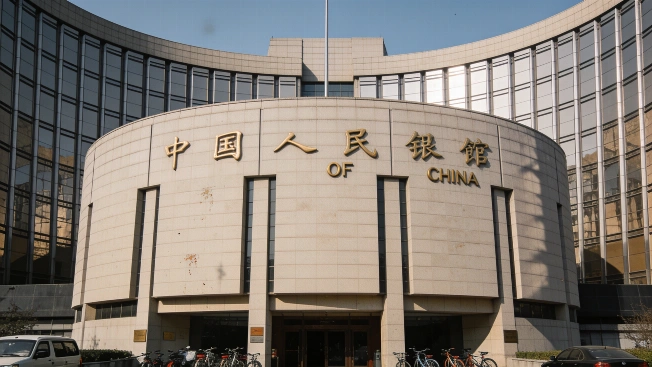
People's Bank of China Slows Yuan Gains but Maintains Upward Path
The People's Bank of China is moderating the pace of the Yuan's appreciation against the US Dollar, but analysts expect the Chinese currency to continue strengthening gradually through 2027, supported by robust export inflows and policy guidance

Chinese Yuan Strengthens as Exporters and Policy Shift Outlook
The Chinese yuan has quietly become one of Asia's stronger currencies in 2026, with the USD/CNY rate nearing 6.72 and major banks now forecasting further appreciation. Exporter flows and policy signals are reshaping expectations for the year ahead
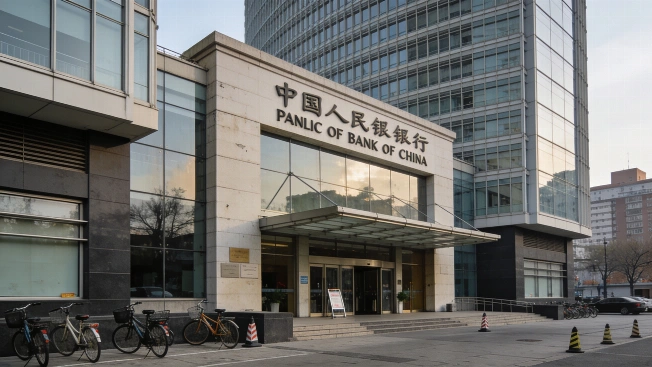
PBOC Signals Yuan Strength With Firmer USD/CNY Reference Rate
China's central bank set a stronger USD/CNY reference rate while holding lending rates steady, signaling a cautious approach to Yuan appreciation and ongoing policy support for the domestic economy
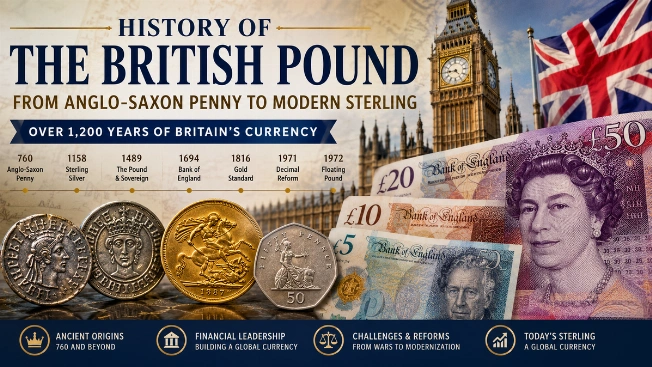
History of the British Pound: From Anglo-Saxon Silver to Modern Sterling
The pound sterling began as a weight-based unit built around the Anglo-Saxon silver penny and developed into the leading currency of nineteenth-century global finance. This detailed history follows sterling through medieval coinage, the Bank of England, the gold standard, wartime devaluations, Decimal Day, Black Wednesday and today’s floating GBP.

History and Present Condition of the Swedish Krona: From the Riksdaler to Modern SEK
The Swedish krona grew out of centuries of copper, silver, paper money and riksdaler reforms before becoming Sweden’s national currency in 1873. This detailed guide follows SEK through the Scandinavian Monetary Union, the 1992 currency crisis, inflation targeting, the 2003 euro referendum and the increasingly digital Swedish payment system of 2026.
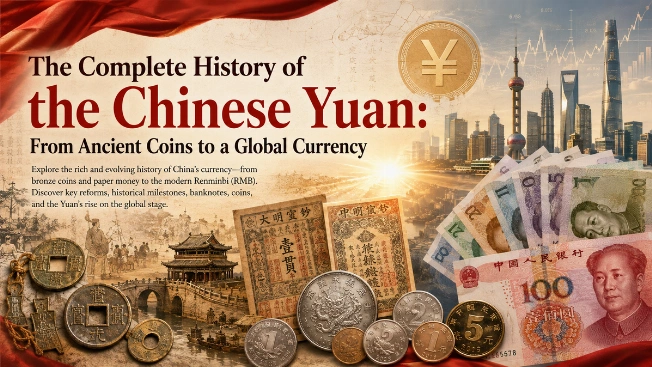
History of the Chinese Yuan: From Ancient Coinage to the Modern Renminbi
The Chinese yuan stands at the end of one of the world’s longest monetary histories, stretching from cowrie shells and bronze cash coins to paper money, silver dollars and the modern renminbi. This detailed guide explains the reforms, political crises and monetary institutions that shaped China’s currency, including the creation of the RMB in 1948, the 1955 redenomination and the development of the digital yuan.