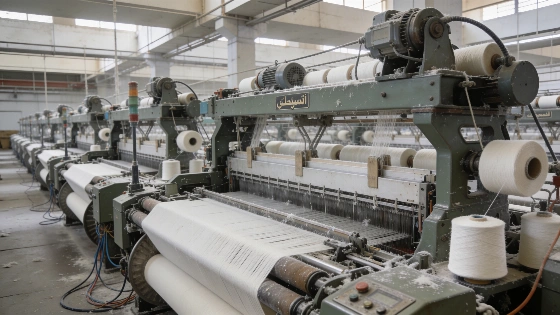
CIB Egypt is lending $80 million to EMS Eroglu Knitting to help expand its textile complex in Qantara West. The deal targets export growth and thousands of new jobs, giving a lift to Egypt's industrial sector.
Egypt is pushing to become a regional manufacturing and export center. Now, Commercial International Bank (CIB) Egypt has approved an $80 million loan for EMS Eroglu Knitting, part of Turkey's Eroglu Global Holding. The money will speed up work on a big textile complex in Qantara West. The goal is clear: raise production for export and create thousands of jobs. The financing, confirmed by independent business reports, includes a $75 million medium-term loan and a $5 million working capital facility. Both are set for seven years and will fund the second and third phases of the project according to Masrawy.
The $75 million loan will go toward machinery and equipment. The $5 million facility will cover working capital. With a seven-year term, the funding will help Eroglu Knitting scale up and chase its export targets. CIB's move is a bet on Egypt's industrial sector and its ability to draw big foreign investment, especially in value-added manufacturing. This fits with the Central Bank of Egypt's push to stabilize the pound and attract foreign direct investment. The country is still dealing with inflation and currency swings, as tracked by the Central Bank of Egypt.
Integrated production and export focus
EMS Eroglu Knitting is building more than just a textile factory. The planned investment totals $140 million, and the site covers nearly 150,000 square meters. The complex will run the full process: from raw cotton to spinning, knitting, dyeing, and garment making. It will use advanced machines and modern production methods. At full speed, the plant aims to turn out up to 24 million pieces of ready-made clothing each year. It will also produce dyed yarns and fabrics for its own use and for other clients. These numbers match Egypt's wider industrial policy, which is closely watched by groups like the International Monetary Fund (IMF) and the Bank for International Settlements (BIS). Both have pointed to export-led growth as key for emerging markets.
All of the output is meant for export. The company is aiming for about $165 million in yearly revenue once the plant is running at full capacity. The export plan is specific: about half of sales will go to Europe, 30% to the United States, and the rest to other markets. This export-first model should help bring in foreign currency and make Egyptian textiles more competitive worldwide. The Central Bank of Egypt has stressed the need to grow non-oil exports to support the balance of payments and keep the exchange rate steady against the US dollar and euro.
Investment scale and jobs impact
Eroglu's ties to Egypt go back to 2007. The Turkish group started with a factory in Ismailia, then added a denim plant in Damietta's free zone. The latest projects in Qantara West-EMS Eroglu Knitting and Eroglu Garments-bring the group's total investment in Egypt to $370 million. The company expects that, once all phases are done, its Egyptian operations could support up to 10,700 jobs and reach $450 million in annual exports by the end of 2027.
For EMS Eroglu Knitting alone, the project is set to create more than 4,500 jobs as the complex ramps up. The integrated setup-from raw cotton to finished clothes-makes it one of the biggest of its kind in Egypt. It could supply major global brands and help diversify Egypt's industry. This job growth matters, especially as the Central Bank of Egypt focuses on employment as a key economic goal. With inflation still high, supporting household incomes is a top concern.
Banking on industrial growth
CIB Egypt says this loan is more than just business as usual. The bank wants to be a long-term partner for both local and foreign investors looking to grow in Egypt's industrial sector. By offering tailored loans for big projects, CIB aims to help value-added manufacturing, boost exports, and create steady jobs. The bank's strategy is to build partnerships that make Egypt a regional hub for industry and trade. This matches calls from the IMF and World Bank for more private sector involvement and export diversity in Egypt's economic plans.
For Eroglu Global Holding, working with CIB is a strategic move to reach its export and expansion goals. The loan will pay for new machines and help secure raw materials and other inputs. This should let the group meet rising demand from international buyers and stay competitive in the global textile market. The project's foreign exchange earnings are expected to help Egypt's external accounts, a key measure tracked by the Central Bank of Egypt and global financial observers.
Key figures and export targets
Company plans show EMS Eroglu Knitting's total investment in Qantara West at $140 million, with the group's total in Egypt at $370 million. The group is aiming for $450 million in exports by the end of 2027. The EMS Eroglu Knitting plant alone is targeting $165 million in annual revenue at full capacity. The export split is set at 50% to Europe, 30% to the United States, and 20% to other markets. The project should create over 4,500 direct jobs, with the wider group's Egyptian operations supporting up to 10,700 jobs as growth continues.
Integrated textile complexes like EMS Eroglu Knitting are helping emerging economies move up the value chain and grab a bigger share of global trade. By controlling every step-from raw cotton to finished clothes-these plants can react faster to market needs, keep quality steady, and cut reliance on imports. For Egypt, landing and keeping this kind of investment is a test of its ability to offer a stable, competitive setting for global manufacturers who want scale and export access. The Central Bank of Egypt's ongoing monetary policy and exchange rate management will be key to these goals, along with continued work with global financial groups and sticking to international best practices in industrial policy.