Auction prices for rare coins are hitting new highs as collectors go after both classic silver dollars and the latest 2026 coins. The end of the penny and rising premiums on copper cents are changing what people spend and what they stash away.
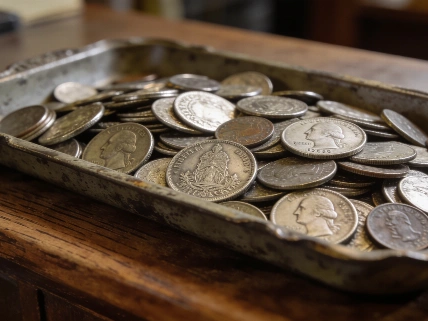
When an 1893-S Morgan Silver Dollar sold for $1,181,250 at auction, it did more than make headlines. It showed just how strong the US coin market is right now. Collectors and investors are chasing both old rarities and new releases. This rush comes as the Federal Reserve weighs inflation and interest rates, which affect precious metals prices and how collectors feel about the market.
The Morgan dollar, graded Mint State 65 by Professional Coin Grading Service and with pedigrees from Clapp, Eliasberg, and Simpson, drew 101 bids from 12 bidders at Great Collections on August 9. This was not a one-off. Around the time of the American Numismatic Association convention in Pittsburgh, Heritage Auctions saw five more coins each sell for over $1 million. All had pedigrees that mark them as some of the most wanted coins in US collecting. These sales show there is plenty of cash moving in collectibles, even as the US dollar index swings with each new Federal Open Market Committee (FOMC) statement.
Modern releases and the end of the cent
Rare silver and gold coins get a lot of attention, but new coins are also in demand. The US Mint has quickly rolled out 2026-dated coins, many with special designs and limited-edition privy marks. The 2026 American Silver Eagle Proof and Enhanced Uncirculated coins have a dual date "1776 ~ 2026" and a Liberty Bell privy mark with the number "250," marking the country's 250th anniversary as confirmed by NGC. Collectors are not just buying from the Mint. Many are checking their change and asking banks for full rolls, hoping to find valuable coins before they vanish from circulation.
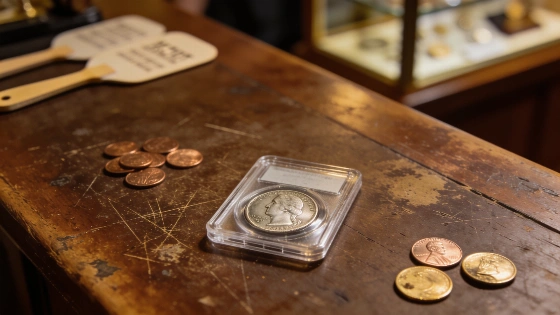
The decision to stop making the 1-cent coin has sped things up. Independent reports say the last big batch of pennies was made in November 2025. Old pennies are still legal tender, but no new ones will be struck. The Common Cents Act, passed by the Senate in August 2026 and by the House on September 14, 2026, officially ends penny production and lets stores round cash transactions. This move is expected to save the US Treasury $56 million a year, according to recent coverage and Congressional debate. The change fits with other cost-cutting steps and ongoing arguments about whether low-value coins make sense. The International Monetary Fund (IMF) has also tracked this issue in its fiscal policy reviews.
Premiums and market dynamics
Premiums on both new and old coins are rising because of scarcity, collector demand, and swings in precious metals prices. Silver and gold coins trade close to their metal value, but those prices jump around with energy costs and interest rates. The mix of bullion value and collector interest means even coins with small face values can sell for much more in the right market. Recent Federal Reserve meetings have shown how gold and silver prices react to every 25 basis point change in the federal funds rate, with bullion markets moving quickly after each announcement.
The $1,181,250 paid for the 1893-S Morgan Silver Dollar at Great Collections came after a fierce auction, with 12 bidders making 101 bids. This kind of action is happening across the market. Coins with strong pedigrees and history are often selling at or above their minimum prices. Consignors are willing to put these coins up for sale because they trust the current market. At the same time, the US Mint's 2026 commemorative programs, like the 9/11 half dollar that saw 2,276,600 coins ordered in its first sales period, show just how many collectors are interested in new issues.
Historic and modern scarcity
This surge in interest for both new and old coins is not just an American story. As reported earlier, mints around the world are using limited releases and new designs to draw in collectors. In the US, new laws, fresh designs, and the lasting appeal of classic coins have created a market where both pocket change and million-dollar rarities matter. The European Central Bank (ECB) has also noted in its monthly bulletins how commemorative coin programs affect euro cash circulation and collector habits.
For collectors and newcomers, this means the market rewards those who pay attention and know what to look for. Whether you are searching for copper cents in your change or watching the next big auction, you are moving through a market shaped by both tradition and fast change. The US Mint's 2026 coins, with special designs and privy marks, are meant to create short-term scarcity and keep collectors interested for years. The end of the penny shows how even small coins can become valuable when their makeup or status changes. In this market, knowing the difference between face value, metal value, and collector value is key for anyone who wants to take part.