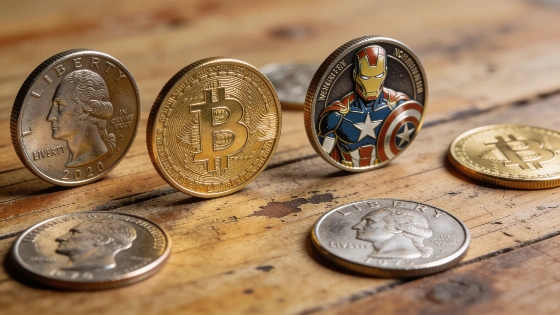
US coin collectors are voicing strong criticism of recent coin designs, from superhero themes to the new presidential dollar, raising questions about artistic standards and the politicization of currency
Arguments over US coin design have flared up again, this time fueled by a string of new releases that many collectors say cross the line. Superhero coins and the decision to put a living president on a circulating dollar have drawn sharp criticism from hobbyists who see these moves as a break from both tradition and respect for history. The Federal Reserve, which oversees currency stability, has stayed silent on the design uproar, but its broader policy decisions still shape the environment where these coins end up in circulation.
The new presidential dollar featuring Donald Trump sits at the heart of the debate. For many, this coin breaks with the long-standing rule against showing living people on US money. The 2026 commemorative dollar, struck only in Philadelphia and missing a special mint mark, was created for the country's 250th anniversary. Trump appears on the front, the presidential seal on the back. The Treasury used the Circulating Collectible Coin Redesign Act of 2020 to justify the change, which gave it leeway to alter coin designs for the anniversary year starting January 1, 2026. Still, the move has set off arguments about legality and ethics, since the federal ban on living presidents remains a sore spot for many collectors and lawmakers. Details on the controversy and the law's background can be found at CoinWeek.
Design choices under fire
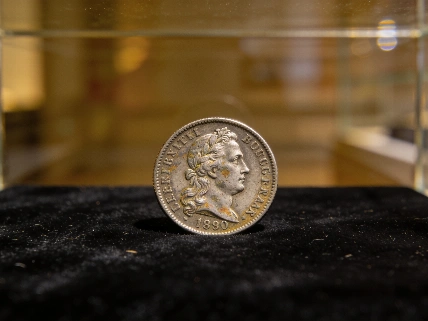
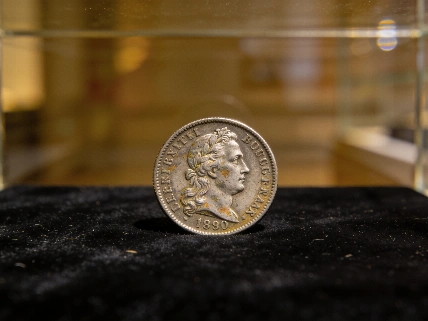
The pushback goes beyond the Trump dollar. The superhero coin series has taken heat, with some collectors calling them gimmicky and saying they miss the mark on national heritage. Others have slammed the latest nickel redesign, arguing that Jefferson's portrait is now too big and awkward compared to the classic Buffalo nickel. The 2018 silver dollar for the World War I centennial hasn't escaped criticism either. Collectors have called its soldier design stiff and lifeless, saying it fails to capture the weight of the event.
The penny has its own critics. The "shield" reverse and the switch to mostly zinc, which started in 1982, are seen by some as a low point for US coinage. Many hobbyists say both the look and the feel of the cent have suffered. The US Mint stopped making circulating one-cent coins in 2025 after a presidential order, but it did include a special Proof cent in the 2026 anniversary set. This move shows how the penny's role in US money policy keeps shifting. More details are available from Reuters and CoinWeek.
Tradition versus modernization
These reactions point to a bigger worry: where is US coinage headed? Many collectors see the latest design changes as signs that politics and marketing are taking over, crowding out real efforts to honor shared history. Some say the Treasury's decision to swap out previously approved designs for the semiquincentennial coins feels random and shows little respect for numismatic tradition. The European Central Bank has faced similar fights over euro commemoratives, showing that these battles over coin design aren't just an American problem.
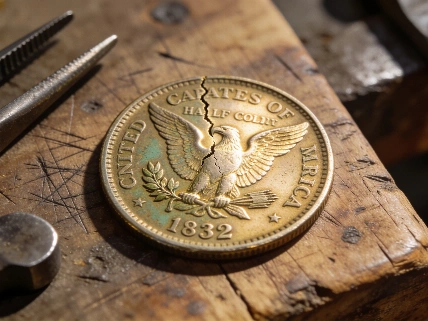
Collectors often point to history to make their case. The 1926 Sesquicentennial half dollar did show both George Washington and then-president Calvin Coolidge, but critics of the Trump dollar argue that the context was different and that today's climate makes such choices far more divisive. The recent omission of Space Force from military service medals has also raised eyebrows, with some saying it reflects deeper political rifts.
Facts and figures
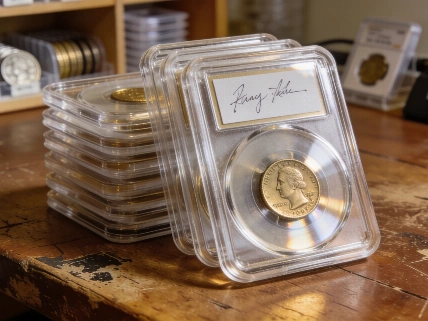
The US Mint has rolled out several new coin lines in recent years: the superhero series, the 2018 World War I centennial silver dollar, and the 250th anniversary commemoratives. The 2026 Proof Set, which costs $107 and is capped at 480,000 sets, includes 10 coins struck in San Francisco. Among them is a one-year-only half dollar with the Statue of Liberty and five special quarters for the nation's 250th birthday. The penny's composition switched to mostly zinc in 1982, and the shield reverse arrived in 2010. Until now, the presidential dollar program only featured presidents who had died, making the Trump dollar a clear outlier. For more on how these new issues have affected collector demand and auction prices, see this recent report.
Implications for collectors and the Mint
The fallout from these design choices goes beyond looks. Some collectors have started skipping modern commemoratives altogether, put off by what they see as ugly designs or political undertones. Others worry that flooding the market with themed coins waters down the meaning of commemoratives and could turn off new hobbyists. The debate also puts the spotlight on the US Mint's job: how to balance tradition, new ideas, and what the public wants. The Bank for International Settlements has pointed out in its annual reviews that changes in coin policy can shift how people use cash and how much they trust physical money.
With big anniversaries on the horizon, coin designers and policymakers face a tough task: making coins that connect with both collectors and the wider public. The current backlash shows that many in the numismatic world feel ignored and worry that the core values of US coinage are slipping away.
Commemorative coins do double duty as both legal tender and pieces of history. The uproar over recent US coin designs shows just how hard it is to balance tradition with change. New ideas can breathe life into the hobby, but they can also push away those who see coins as a living link to the nation's past. For now, the debate keeps circling around the need for transparency, real consultation, and respect for the rules that have shaped American currency for generations.