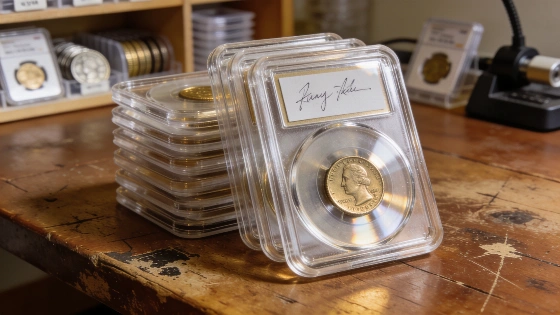
A single auction of 20,000 signed CAC Grading labels has opened new funding for nonprofit coin groups. Organizations may now apply for support as proceeds move to numismatic and charitable causes.
John Albanese, CEO and founder of CAC Grading, signed 20,000 encapsulation insert labels and set off a fundraising event that will not happen again. The auction for these CACG Charity Labels, offered privately to approved modern bulk submission clients, pulled in a six-figure sum. That money is now set aside for nonprofit numismatic groups and select charities, including food pantries. Independent coverage as of October 8, 2026, confirmed the final bid landed in the six-figure range, with every dollar marked for distribution among numismatic nonprofits and other causes CoinNews.
Albanese has made it plain: this is a one-time event. He will not sign CAC Grading encapsulation labels again. The rarity of these signed labels has fueled both collector demand and the fundraising total. All proceeds are locked in for charity. The timing lines up with a stretch of currency market volatility, as central banks like the Federal Reserve and European Central Bank shifted policy rates to tackle inflation and changing economic signals. The Fed kept its benchmark rate above 5% through 2026, which shaped investor mood and affected what collectors could spend in the numismatic market.
Numismatic organizations, from local clubs to national groups, can now apply for a share of the funds. Albanese will review each letter of request himself and pick recipients based on their stated needs and plans for the money. Applicants must explain in their own words how they would use the funding-AI tools are banned from the process. Requests go by email to jalbanese@cacgrading.com by October 31. This direct approach fits a wider shift in nonprofit funding, where transparency and hands-on engagement are gaining ground, echoing recent Federal Reserve guidance on financial sector integrity and anti-fraud standards.
Most coin-related charity efforts lean on event-based donations or ongoing campaigns. CAC Grading's model stands apart. By auctioning a fixed batch of signed labels, the company has created a one-off shot for groups to secure direct support. The process favors genuine, mission-driven appeals over canned or automated pitches. This mirrors the stance of regulators like the Bank of England, which has pressed for strong governance and clear communication in both charity and finance.
The six-figure result, though the exact number remains undisclosed, marks a major boost for numismatic nonprofits. Auctioning a limited, never-to-be-repeated collectible has drawn attention from collectors and organizations looking for funding. Albanese's insistence on personal letters and his rejection of AI-generated content point to a demand for authenticity and direct contact. The money is not just for numismatic groups; CAC Grading has also pledged support for food banks, broadening the reach of the initiative CoinNews.
Collector activity and fundraising innovation have both surged in the numismatic market. Earlier reports show rare coin auctions topping $1 million, as demand rises and collectors back causes tied to the hobby. The CACG Charity Label auction stands out for its structure and the clear promise that it will not happen again. This comes as the U.S. dollar index has swung sharply, with Federal Reserve policy and global inflation trends shaping both collectibles and wider financial flows.
The CACG Charity Label event involved 20,000 signed encapsulation insert labels, all sold in a single private auction to CAC Grading's authorized modern bulk clients. The auction brought in a six-figure winning bid, with every cent set aside for nonprofit numismatic groups and other charities. Funding requests must be submitted by October 31. The auction's limited supply and exclusive access echo the scarcity-driven dynamics seen in currency and collectibles markets, where central bank moves and bond yields can sway investor behavior and asset values.
This is not an ongoing drive. The initiative is strictly limited to the proceeds from this one-time auction. Albanese will oversee the selection process himself, choosing recipients based on the content and sincerity of their written requests. This hands-on method recalls the direct oversight found in recent European Central Bank policy minutes, where transparency and accountability are front and center in decision-making.
Numismatic charity models usually fall into two types: recurring campaigns tied to annual events or one-off projects linked to special releases or auctions. The CACG Charity Label auction fits the latter, using the draw of a unique collectible to build a sizable fund in a single event. This can spark urgency and exclusivity, but it also means future chances like this are unlikely unless another group copies the model.
For groups seeking support, the key point is that funding is not tied to membership size or national reach. Any nonprofit numismatic group able to make a clear, mission-driven case can apply. The explicit ban on AI-generated applications underlines the value placed on authenticity and direct communication. As global monetary authorities such as the International Monetary Fund keep watch on the overlap of charity and financial stability, CACG's move sets a new bar for transparency and targeted impact in the numismatic world.