CIBC Capital Markets warns the Canadian dollar will stay weak as US-Canada rate differences grow and trade friction drags on. Relief for CAD may not come until 2027, according to new forecasts.
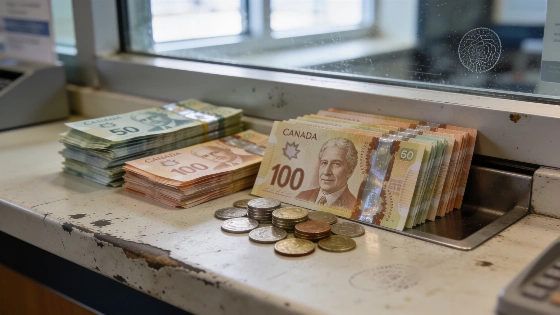
Three straight weeks of losses have hit the Canadian dollar. USD/CAD now trades near 1.4152, scraping multi-month lows. Reuters confirms the slide. CIBC Capital Markets expects the pain to last. The bank projects the Canadian dollar will stay under pressure against the US dollar through late 2026. The reason is simple. The Federal Reserve keeps tightening policy. The Bank of Canada is holding steady. That gap is growing. It is the main force behind the Canadian dollar's weakness, CIBC says.
Some traders still hope for a Bank of Canada rate hike this year. CIBC disagrees. The central bank left its key rate at 2.25% on September 2, 2026. In its September 21 statement, the bank said inflation and growth over the summer matched expectations. Meanwhile, the Federal Reserve raised its target range by 25 basis points to 3.75-4.00% in September. The rate gap widened again. CIBC now sees USD/CAD averaging 1.42 in the fourth quarter of 2026. The yield spread is about 115 basis points in favor of US 10-year Treasuries. That gives the US dollar a clear carry advantage. Pressure on the Canadian dollar keeps building. Reuters and the Bank of Canada policy update confirm these trends.
Trade friction with the United States adds more trouble. CIBC expects ongoing tensions to slow Canada's economy. Higher oil prices usually help the Canadian dollar. Not this time. The bank argues that trade friction will cancel out any boost from oil. Bank of Canada Governor Tiff Macklem warned that new US tariffs could push Canada's GDP growth below 1% in the fourth quarter. Investment and hiring could also take a hit. Canada's economy looks exposed to outside shocks.
CIBC forecasts Canada's unemployment rate will reach 6.6% by the fourth quarter. Retail sales numbers have disappointed. The Canadian dollar dropped to an intraday low of 1.4149 per USD, its weakest since July 14, after monthly sales data failed to lift the outlook. Weak growth and a cautious central bank keep the Canadian dollar on the defensive. Commodity price swings offer little help.
CIBC's foreign exchange outlook points to a possible turnaround in 2027. The bank expects talks with the United States could roll back Section 338 tariffs and lead to a broader trade deal. That could help Canada's growth. If that happens, CIBC sees the Bank of Canada raising rates early next year. The policy gap with the Fed could shrink.
The bank projects USD/CAD will fall to 1.39 in the first quarter of 2027 and reach 1.35 by year-end. These numbers depend on successful trade talks and a shift in monetary policy. Both are far from certain. Other major currencies face similar crosswinds. The reported earlier case of the US dollar's mixed performance shows how rate hikes do not always guarantee currency strength.
CIBC Capital Markets expects USD/CAD to average 1.42 in late 2026, then drop to 1.39 in early 2027 and 1.35 by the end of that year. Canada's unemployment rate is set to hit 6.6% in the fourth quarter. No Bank of Canada rate hike is forecast for this year. The Federal Reserve is likely to keep tightening. The Bank of Canada says inflation and growth are on track, but it remains alert to risks.
Monetary policy and trade talks will shape the Canadian dollar's path. Higher oil prices may not be enough to offset economic slack from trade friction. Inflation pressures should stay in check. The US yield advantage keeps drawing attention from currency traders and central banks. The story is not over.
Policy divergence is at the heart of the problem. The Federal Reserve keeps raising rates. The Bank of Canada stands pat. The interest rate gap grows. Money flows to the higher-yielding US dollar. The Canadian dollar feels the strain. But policy is not the only factor. Trade friction, commodity prices, and Canada's own economy all play a part. Until something shifts, the Canadian dollar stays under pressure.