A little-known 19th century plan to create US coins from a gold-silver-copper alloy called goloid triggered fierce debate and exposed the deep fractures in America's monetary system after the California gold rush
In the years after the California gold rush, US lawmakers faced a problem they could not ignore. The country's money system was in trouble. Metal prices jumped. People lost faith in coins. The idea of goloid-a new mix of gold, silver, and copper-was more than a science project. It was a last-ditch effort to steady a currency system that kept slipping. The Federal Reserve's own historical reviews point to moments like this as proof of how hard it is to keep money stable when metal prices and exchange rates swing wildly.
Things came to a head in 1877. Senator William A. Wallace pushed a bill to make goloid coins legal tender. The plan was huge: $400 million in new coins, paid for with four percent bonds. But the idea hit a wall. Mint officials, Congress, and the press all doubted that this alloy could fix the country's silver mess. Many feared it would only make things worse. The doubts sounded a lot like the ones central banks face today when they consider new tools or assets for their balance sheets. The European Central Bank and Bank of England have faced similar questions in recent years.
The silver crisis and the search for solutions
America's money troubles got worse after California gold flooded the market. The old gold-to-silver ratio broke. Silver coins started trading at a premium-$1.04 in silver for every gold dollar. That small difference was enough. People hoarded silver coins or melted them down. Congress tried to fix it with the Coinage Act of 1853. They cut the weight of most silver coins to get them back into daily use. But the silver dollar stayed at full weight. The reason was simple. The US wanted to keep it strong for trade, especially against the Mexican peso. U.S. Mint records show this made the silver dollar easy to export or melt whenever global silver prices rose.
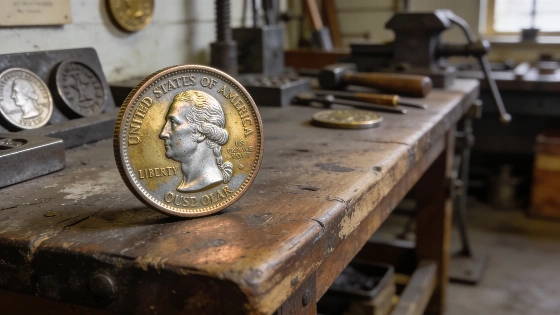
The fix only went so far. Small silver coins came back, but silver dollars kept vanishing. The math was clear. A silver dollar had more than a dollar's worth of silver. Melting or exporting made more sense than spending them. The Coinage Act of 1873 tried to end the confusion. It rewrote coin laws and quietly dropped the silver dollar from the system. People later called this the "Crime of '73." The US moved to the gold standard. Silver supporters were furious. This law became a flashpoint in the long fight over bimetallism. Congressional records and later Federal Reserve policy debates both point to this moment as a turning point in US coin history.
Goloid's brief moment in the spotlight
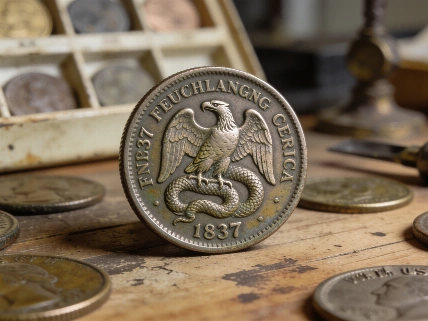
Dr. William Wheeler Hubbell stepped in during this chaos. In 1877, he patented the goloid alloy. His recipe: one part gold, twenty-four parts silver, and two and a half parts copper. Small tweaks were allowed. Hubbell said goloid's weight and color would make it hard to fake. He claimed vinegar would turn worn coins a purple-gold color. The U.S. Patent and Trademark Office and the Smithsonian National Numismatic Collection both document the details and hopes behind goloid.
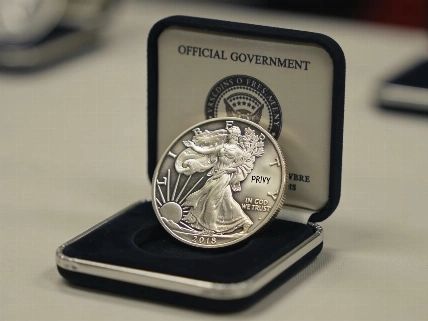
Senator Wallace's bill to approve goloid coins was bold. Critics pounced. The Eureka Daily Sentinel called it a "galvanized delusion." Americans, they said, wanted "gold or silver straight," not a mix. Mint Director Henry R. Linderman had to make sample coins for Congress. He brought lawmakers two coins-one goloid, one standard silver-marked only by a blurred letter. Even Linderman could not tell them apart. He said the difference was "not perceptible." The numbers told the real story. The goloid coin was worth about $1. The silver coin had only about 60 cents in metal. Modern central banks still watch these gaps closely, as shown in Federal Reserve's monetary policy reports.
Congress was not swayed. Lawmakers decided goloid would only add to the confusion. The coins looked too much like standard silver, but their value was not the same. The plan was dropped. Focus shifted to the Bland-Allison Act of 1878. This law brought back the silver dollar as legal tender and forced the government to buy lots of silver for coins. It was one of the first big examples of the state stepping in to support a commodity. Central banks would later use similar tactics in currency and bond markets.
Historical parallels and lasting lessons
Mixing gold and silver in coins was not a new idea. Ancient electrum coins from Lydia, made in the seventh century BCE, used a natural or man-made blend. Later, Byzantine and Japanese coins also tried electrum. But the US goloid plan was different. It came at a time when the country's money system was under real stress. The International Monetary Fund (IMF) notes in its reviews that these kinds of experiments often happen when global reserve standards and exchange rates are in flux.
Goloid never made it into people's pockets. The failure was not just about chemistry. It was about politics and economics. The US needed coins people trusted, could tell apart, and could use in world trade. Goloid did not deliver. The episode showed that technical fixes alone cannot solve deep money problems.
For anyone watching how coins and money policy change, the goloid story is a warning. Even smart ideas can fail if they run into old habits, public doubt, and the hard math of metal prices. The same issues pop up today in debates over coin metals and collector demand, as seen in recent coverage of rare coin auctions and new alloys.
Facts and figures
In 1877, the goloid alloy was set as one pound of gold, twenty-four pounds of silver, and two and a half pounds of copper. The silver could be adjusted between 20 and 30 parts. Senator Wallace's bill called for $400 million in goloid coins, paid for with four percent bonds. The value gap was clear. A goloid dollar was worth about $1. A standard silver coin had about 60 cents in metal. That's a 40-cent difference. This problem-matching face value, metal content, and market price-still keeps the Bank for International Settlements (BIS) and other regulators busy.
Goloid coins never went into use. But the fight over them shows how hard it is to run a bimetallic system when metal prices and world markets keep changing. The US tried cutting coin weights, then dropped silver, then brought the silver dollar back. Each move showed how priorities and trade-offs shape currency policy.
Electrum, the old gold-silver alloy, is worth a look. People often say it was a natural blend, but new research shows even the first electrum coins were made on purpose. This history proves that balancing new ideas with public trust and real-world use is never easy. Goloid failed, but its story still matters. It's a sharp reminder of how societies try-and often struggle-to anchor value in metal, law, and trust.