
Swedish krona (SEK)
5 articles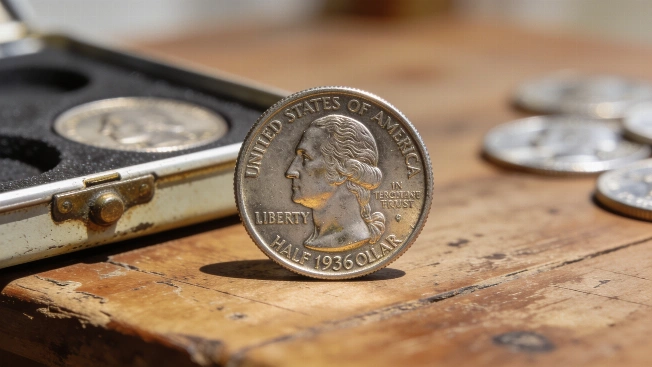
Delaware's Three-Date Half Dollar Sets $19,200 Auction Record
A rare 1936 Delaware Tercentenary Half Dollar, notable for its three distinct dates and complex history, has achieved a record $19,200 sale, highlighting the enduring appeal and layered story behind this commemorative U.S. coin
US Dollar Faces Pressure as Treasury and Fed Policy Scrutinized
The US dollar is under renewed pressure as investors question whether Treasury bond buybacks and the Federal Reserve's policy stance could undermine confidence in American economic management, with implications for global exchange rates
Norwegian Krone Faces Pressure as Swedish Krona Gains Momentum
Bank of America highlights diverging economic trends and shifting interest rate expectations as key reasons for recommending a sell position on the Norwegian krone against the Swedish krona, with potential implications for cross-border payments and currency risk

Australian Dollar and Swedish Krona Stand Out in G10 Currency Outlook
Morgan Stanley's latest G10 currency scorecard singles out the Australian Dollar and Swedish Krona for bullish prospects, while the US Dollar, Pound, and Yen face renewed pressure as central banks pause and market risks shift
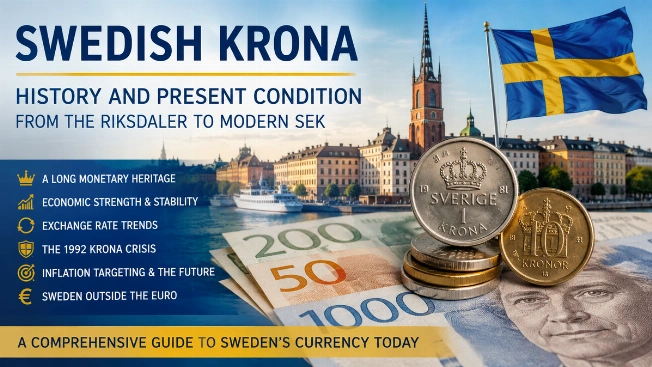
History and Present Condition of the Swedish Krona: From the Riksdaler to Modern SEK
The Swedish krona grew out of centuries of copper, silver, paper money and riksdaler reforms before becoming Sweden’s national currency in 1873. This detailed guide follows SEK through the Scandinavian Monetary Union, the 1992 currency crisis, inflation targeting, the 2003 euro referendum and the increasingly digital Swedish payment system of 2026.