
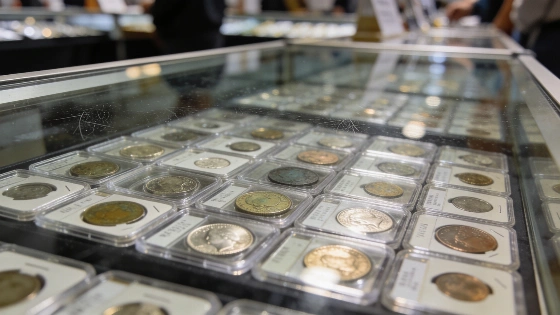
Coin collecting is often seen as a solitary pursuit but recent trends show that the real satisfaction for many comes from sharing the hobby with others at shows and clubs
Collectors used to keep their rare coins tucked away at home. That's changing fast. At the American Numismatic Association convention in Pittsburgh, the real action wasn't just at the dealer tables. Receptions, cocktail hours, and open-floor chats pulled in crowds. The 2026 World's Fair of Money at the David L. Lawrence Convention Center brought in collectors from across the globe. Hundreds of dealers set up shop. Educational sessions and displays filled the halls. The hobby has gone global. People from all backgrounds showed up. International turnout also tracks with swings in foreign exchange rates. The U.S. dollar index has jumped and dipped in recent quarters. Federal Reserve policy and global economic shifts have played a big part, as seen in Federal Reserve monetary policy. That matters for what collectors can afford.
Some still prefer the quiet of their own collections. But local clubs, regional meetups, and national shows have built a lively network. These gatherings are more than markets. Collectors swap stories, argue about trends, and celebrate new finds together. At the American Numismatic Association's 135th Anniversary Awards Banquet in Pittsburgh, the spotlight was on community. Awards like "Numismatist of the Year" and "Young Numismatist of the Year" went to people who shaped the hobby far beyond buying and selling. The event made it clear: recognition matters. The ECB reference exchange rates also play a role, especially for international buyers and sellers.
Compulsion or community?
Robert Irwin's new book, Madman's Guide to Stamp Collecting, has collectors talking. The Wall Street Journal called it a "hodgepodge of anecdotes, trivia and theories...more about the compulsion to collect in all its facets." Irwin digs into why people collect. He even brings up Freud. But there's a twist. Irwin wasn't a collector himself. That outsider view stands apart from the world of coin collectors. Most coin enthusiasts say it's not about compulsion. It's about sharing the passion. At big events, extroverts shine. Even the quietest collectors get pulled into the mix. The Pittsburgh ANA convention in September 2026 leaned into education and global networking. The hobby is adapting. Even small changes in euro-dollar or yen-dollar rates can shift collector habits and cross-border deals.
Changing trends in collecting
Speakers at the latest ANA convention pointed out a shift. Collectors are showing more interest in new coin issues. The focus is moving. Dealers and collectors are changing what they look for. Stamp collecting seems to be fading. Coin collecting is still lively. New releases and shifting tastes keep people coming back. This lines up with what was reported earlier about creative activities shaking up club meetings. Reuters has noted that age, condition, and rarity drive demand in collectibles. New coins sometimes get less attention. That helps explain why some collectors chase modern issues, not just old rarities.
No one has hard numbers on club memberships or show attendance. But big conventions keep happening. Regional events are growing. The hobby looks strong. The American Numismatic Association's annual shows draw everyone from seasoned pros to first-timers. The ANA just announced a membership dues hike starting November 1, 2026. Costs are rising. Inflation, tracked by the U.S. Consumer Price Index (CPI), has stayed high. Non-profits like the ANA are feeling it. Central banks, including the Federal Reserve and the European Central Bank, are holding a cautious line on interest rates.
Facts and figures
There aren't exact attendance stats or market values in this article. But the steady stream of major coin shows and the spread of local clubs show a healthy scene. The American Numismatic Association keeps hosting annual conventions. Recent Pittsburgh events featured open receptions and talks about new coins and collecting trends. Collectibles, as Reuters points out, are not safe investments. Many categories, including stamps, have lost value. That's a key difference. Most collectors do it for fun, not profit. Bond yields and currency swings can shake up the investment world, but collecting runs on a different track.
Understanding collector networks
Every collecting hobby builds its own network. Coins, stamps, or anything else-each has clubs, shows, and online forums. These networks keep people interested. They bring in new faces and adjust as tastes change. Coin collecting stays strong because its community adapts. The group responds to big economic moves and currency changes. Recent central bank meetings and interventions by the Bank of England and Bank of Japan have shown how quickly things can shift.
Collectors often argue about coins versus stamps. Some say stamp collecting is fading. Coin collecting keeps changing. Clubs and events prove it's not just surviving. It's growing. Tradition and new ideas both play a part.
Other hobbies fade as trends move on. Coin collecting hangs on. The reason is simple. Community keeps it alive. Collecting is better when shared. Clubs and conventions make sure the network stays strong, even as people's interests shift.
Clubs and conventions matter. They give structure, mentorship, and a place to show off finds. Collectors learn from experts and join in activities from trivia contests to seminars. The American Numismatic Association runs big conventions and backs local clubs and education. This network keeps the hobby fresh. New and experienced collectors both get support. As the world of collecting changes, the community stands ready.