
Coin clubs are swapping lectures for trivia contests and knowledge games. These activities are pulling in new faces, testing what collectors know, and giving meetings a fresh spark.
When a rare 1797 gold eagle with ties to a U.S. president turned up again, collectors argued over what counts as proof and who really knows their coins. But these days, the real test of numismatic knowledge isn't at the auction house. It's happening in coin club meeting rooms, where trivia games are now the main draw. This shift matches what's happening across the American numismatic scene. The American Numismatic Association and the U.S. Mint are both pushing for more interactive events and educational games. Their goal: get collectors involved and help them learn more, as seen on the U.S. Mint X account.
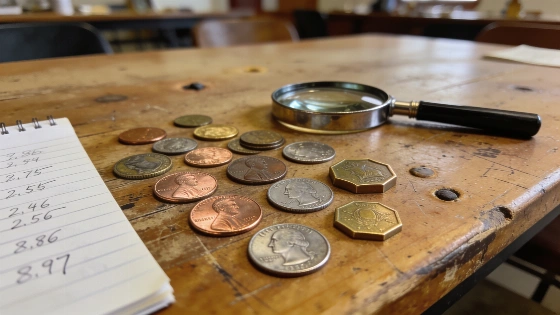
Clubs all over the country are trying something new. Meetings have become friendly battlegrounds. Instead of just listening to talks, members try to spot rare coin designs, remember the history of U.S. money, or name which states once made their own gold coins. This approach has brought more energy and a sense of purpose to gatherings that used to feel routine. As reported earlier, discovery and debate are at the heart of numismatics, and these club games bring that spirit to every meeting.
Testing knowledge and building community
At the center of these meetings are trivia contests built to challenge and teach. One favorite: list every U.S. coin that shows George Washington, Thomas Jefferson, or Abraham Lincoln. Other questions ask members to name all U.S. coin denominations, match mintmarks to cities, or recall when the government stopped letting people trade paper money for gold or silver. That last one points to big policy moves, like the 1971 end of gold convertibility, which closed the Bretton Woods era and was tracked by the Federal Reserve and U.S. Treasury. The games are competitive, but members also help each other learn as they go.
Some clubs go further. They pass around coins like the Bicentennial Eisenhower Dollar and ask everyone to spot something unique. Others turn to world money, challenging people to name countries that use the "dollar" or "peso," or to list nations with polymer banknotes. The mix of questions means both longtime collectors and newcomers can join in. This makes meetings more open and welcoming. It also follows a global trend. At the 2026 exhibition in Visakhapatnam, India, collectors saw rare gold and silver banknotes and silk notes, showing how currency collecting crosses borders (New Indian Express).
Rare coins and historical curiosities
Numismatic trivia isn't just about quick answers. It often uncovers facts that make collectors see old coins in a new way. One recent question focused on the first U.S. platinum coin-a pattern Half Dollar from 1814. Only three are known. One, listed as Judd-44a, was stamped with a "P" punchmark 33 times and sold for $138,000 at auction in August 2022. Stories like this bring history to life and remind collectors that every coin has a hidden story.
Other questions push the limits of what members know. Who can name the most U.S. presidents never shown on coins or bills? Who can list the most coin designs that were quickly changed, like the 1793 Large Cent's switch from chain to wreath reverse? These challenges reward both memory and research. They push members to dig into the archives of American and world currency. The U.S. Mint's recent focus on pop culture coins and FIFA World Cup 2026™ trivia shows how official groups are using games to reach more people and make learning fun (U.S. Mint X account).
Data and participation trends
There aren't official numbers on how many clubs use trivia, but stories from the field show more people are joining in. Clubs say meetings with games draw bigger crowds and get more people talking, especially younger collectors. Questions about world currencies, polymer notes, and bi-metallic coins show that collectors are thinking globally. This fits with the American Numismatic Association's recent outreach and the steady schedule of coin shows in the U.S. Events like the Orland Park Coin & Stamp Show near Chicago keep bringing collectors together for trading and learning.
At one recent meeting, a club president fired off rapid questions. Whoever answered first got to ask the next one. The game lasted fifteen minutes and covered everything from National Currency-issuing banks to the weights of circulating coins. Even new members found ways to join in. Well-designed trivia helps close knowledge gaps and makes everyone feel part of the group. The Federal Reserve's updates on currency in circulation and the European Central Bank's euro banknote reports give collectors more to talk about, as they track both economic trends and history.
Editorial perspective
Clubs that use trivia aren't just making meetings more fun. They're building a culture where people learn together and share discoveries. Mixing competition with education brings in new members and keeps veterans interested. Moving from lectures to active games is a healthy change for numismatic groups. It values both knowledge and openness. As clubs keep trying new things, the line between collector and historian gets blurry. This helps keep coin collecting lively and meaningful for the next generation.
Numismatic trivia shows just how complex and varied currency history can be. The 1814 platinum pattern Half Dollar is a good example-only three exist, and the Judd-44a piece with 33 "P" stamps sold for $138,000. Facts like these challenge collectors and show why rare coins keep people fascinated. The Bank for International Settlements studies how new types of money and collector demand affect global liquidity, proving that numismatics and big-picture economics are linked.
To really understand U.S. coins and currency, collectors need to look at both official rules and the stories behind them. The U.S. Mint has made coins in many shapes and sizes, often reacting to politics, economics, or practical needs. Fast changes, like the 1793 Large Cent redesign or the end of gold and silver redemption, show how money policy shifts over time. For club members, trivia and discussion make these changes real. For the latest on U.S. currency policy and data, collectors can check the Federal Reserve monetary policy page.