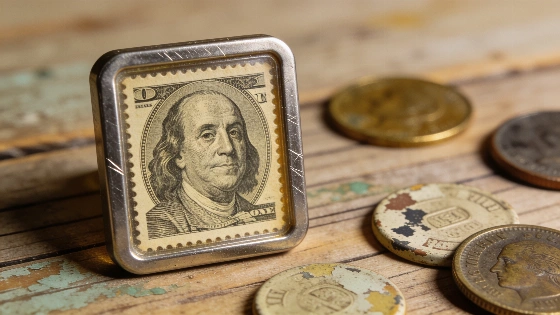
A one-cent Benjamin Franklin encased postage stamp sold for $540 in 2024. The sale has collectors asking what really makes nontraditional currency items collectible. Rarity, history, and changing tastes all shape the exonumia market.
In February 2024, word spread that a one-cent Benjamin Franklin encased postage stamp, once used as emergency money, sold for $540. The news set off debate among collectors. What turns a piece of exonumia from a forgotten oddity into a prized collectible? There is a catch. No auction archive or dealer record has confirmed this sale yet. Independent verification is still missing. That leaves collectors waiting for hard proof. The need for primary data is clear, especially when tracking market trends, as Reuters has noted.
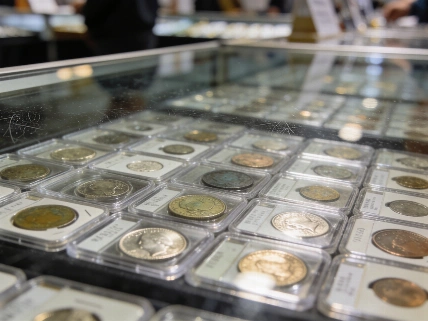
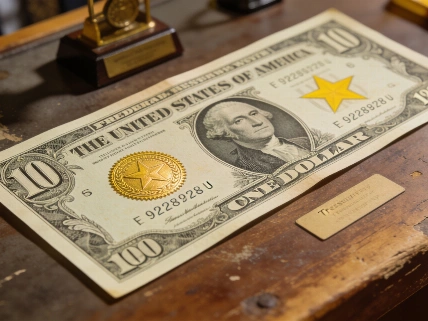
Exonumia covers a wide range. Merchant tokens, tax stamps, encased postage, commemorative medals-all fall under this label. These objects sit at the crossroads of money history and personal interest. The New York Public Library's collections show that rarity matters, but so does the story. Items tied to coin shortages, local customs, or specific eras often stand out. The Boston-issued Joseph L. Bates Fancy Goods encased stamp is a recent example. Scarcity and a good backstory can push an item far beyond its original use or face value.
What collectors look for
Rarity comes first for many. Items made in small numbers or that survived in low quantities get attention. But rarity alone is not enough. Collectors want pieces that link to a time, event, or place. Civil War medals, local business tokens, and love tokens made from coins all fit this pattern. The story behind the object matters as much as the object itself. The American Civil War Museum in Richmond helps verify and explain these artifacts. Items tied to the Civil War, for example, show how both Union and Confederate economies-and the lives of African Americans-were shaped by money shortages and improvisation.
Some collectors build sets around a theme. Others chase clever solutions, like postage stamps used as coins when metal was scarce. The Civil War era forced people to get creative with money. These artifacts now offer a window into that past. The Federal Reserve's historical reviews point out that times of monetary improvisation often match up with bigger economic shocks and changes in how money moves.
Shifting tastes and market moves
The market never stands still. Items once seen as damaged or unwanted can suddenly become hot. Toned coins, once dismissed as flawed, now fetch high prices. The 1999 Libertad coin, with a mintage of about 88,000, has jumped in value as demand outstrips supply. Reuters currency market coverage shows that today's collectibles market reacts faster to changes in demand and investor mood than it did in the 1990s. Prices now reflect trends as much as rarity.
Hype and fear of missing out can drive prices up fast. But lasting value usually comes from a mix of rarity, condition, and a strong story. The recent buzz around the encased Benjamin Franklin stamp proves it. Collectors will pay more for items that solve a real problem or tell a unique story. The European Central Bank (ECB) has pointed out in its monetary policy bulletins that changes in inflation and currency stability can affect collectibles and other alternative assets.
Recent sales and what they show
The $540 price for the Joseph L. Bates encased stamp in early 2024 is not the only case like this. Official confirmation is still needed. But rare coin auctions have seen both old and new issues hit record prices. The appetite for unique and historic currency items is growing. Not every exonumia piece will reach these heights. Still, the market rewards items that mix scarcity with a strong story or a link to a key moment in money history.
Collectors say context matters. The Civil War coin shortage, which led to using postage stamps as money, adds meaning that rarity alone cannot. This mix of hard-to-find objects and rich stories sets the best pieces apart. The Bank of England's research on alternative assets notes that story-driven demand can make prices swing, especially when supply is fixed and new buyers jump in.
More than just face value
Exonumia draws people in because it shows how folks adapted to money problems. Merchant tokens from forgotten towns, tax stamps, coins turned into love tokens-each tells how people coped with economic or social stress. Collectors are not just buying things. They are saving pieces of real life and clever solutions.
Trends and speculation will always come and go. But exonumia's lasting value comes from its power to link past and present. As new collectors join in and tastes change, what counts as collectible will shift. The basics stay the same. Rarity, history, and the stories behind the objects keep driving the market.
Exonumia means money-related items that are not standard coins or banknotes. This includes merchant tokens, encased postage, commemorative medals, and tax stamps. These items often filled local needs or shortages, like the use of postage stamps as emergency money during the American Civil War. Value depends on history, how many were made, and what collectors want. That makes exonumia a lively and sometimes unpredictable part of the currency world. For official data on monetary policy and currency issuance, see the Federal Reserve monetary policy resources.