

UBS believes the Bank of Japan's latest rate hike is unlikely to spark a sustained rise in the yen against the US dollar, citing cautious central bank messaging and a divided board.
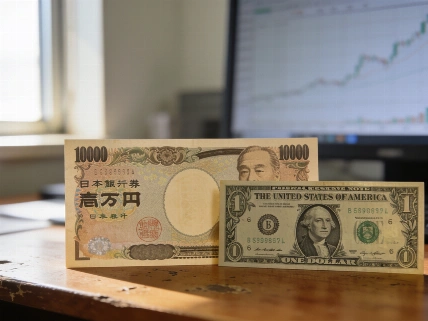
UBS remains skeptical that the Bank of Japan's recent policy rate hike will deliver the yen recovery many have anticipated. On September 18, 2026, the Bank of Japan (BoJ) raised its key policy rate by 25 basis points to 1.25%, the highest level in roughly 31 years. Despite the significance of this move, UBS contends that the rate increase alone is not enough to drive a lasting appreciation of the Japanese yen against the US dollar. The broader context of global monetary policy divergence and persistent market skepticism continues to weigh on the currency, according to Reuters.
Policy shift fails to impress markets
The BoJ's decision was not unanimous, with the policy board voting 7-2 in favor of the hike. Dissenting members Toichiro Asada and Ayano Sato, both appointed during Prime Minister Sanae Takaichi's tenure and known for their dovish views, opposed the increase. This split highlights ongoing internal debate about the pace and direction of future tightening. Governor Kazuo Ueda, speaking at the post-meeting press conference, stated that Japan's economy "continues to recover gradually" and that inflation is nearing the 2% target. He also pointed to risks such as currency volatility and external shocks, as reported by AP News. The BoJ's cautious tone has left markets uncertain about its commitment to a rapid normalization of monetary policy, especially when compared to the more hawkish approaches of the US Federal Reserve and the European Central Bank.
UBS interprets the BoJ's stance as an indication that further yen weakness may be limited, but a decisive reversal is unlikely. The central bank signaled it could raise borrowing costs again if inflation risks persist, but did not outline a faster tightening path. Investors have viewed the move as less dovish than previous guidance, yet not a clear shift toward aggressive policy tightening. Market commentary from Reuters and Bloomberg noted that attention turned to whether the USD/JPY exchange rate would stay below 160, with the yen weakening after Ueda's press conference amid mixed signals and doubts about the BoJ's resolve.
Forecasts point to sideways trading
UBS expects the yen will not stage a durable comeback against the dollar in the near term. The firm's base case projects the USD/JPY pair to remain largely range-bound, forecasting 160 by December 2026 and 158 from March through September 2027. This outlook suggests that while the risk of further sharp yen depreciation may be reduced, a meaningful reversal is not expected soon. The BoJ's policy rate now stands at 1.25%, but the USD/JPY exchange rate has struggled to break below the 160 level, reflecting ongoing skepticism about the yen's prospects even after the central bank's move. As reported earlier, speculation about rate hikes had already pushed the yen to its strongest level in months, but the latest decision has not produced a decisive change in sentiment.
What drives yen movements now
The BoJ's cautious approach to normalization aims to prevent further yen weakness without committing to a rapid tightening cycle. This strategy reflects the central bank's effort to balance currency support with the need to avoid shocks to the domestic economy. UBS's analysis points out that, without a clear signal for aggressive rate hikes, the yen is likely to remain under pressure from higher US interest rates and global capital flows. Currency traders are closely watching the BoJ's willingness to adjust policy further if inflation risks persist, but the absence of a forceful commitment has limited the yen's potential for gains.
While the central bank's actions may help contain the yen's downside, they do not guarantee a turnaround. For businesses and travelers exposed to the yen, this means continued uncertainty and the need to monitor both policy signals and market reactions. The BoJ sets monetary policy and manages the official policy rate, which influences short-term interest rates across Japan's economy. A policy rate hike typically aims to strengthen the currency by making yen-denominated assets more attractive to investors. However, the effectiveness of such moves depends on market expectations, the relative stance of other major central banks, and the credibility of future policy guidance. In Japan's case, decades of ultra-low rates and cautious communication have made it difficult for a single rate increase to change the broader narrative. The yen's value against the US dollar remains sensitive to both domestic policy signals and external factors, including US Federal Reserve decisions and global risk sentiment.