
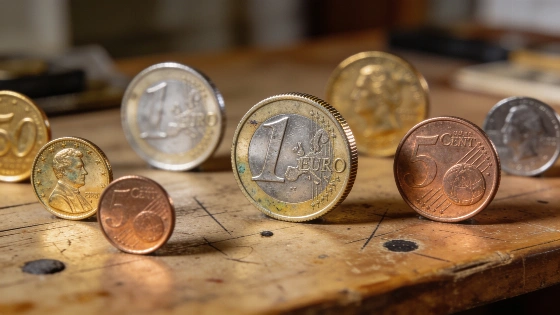
Coin values are driven by more than age or metal. Rarity, condition, history, demand, composition, and emotion all play a role. This guide breaks down the six factors that determine what collectors pay and why prices shift over time.
A $5 gold coin from the Pacific Company once sold for $1.26 million at auction. That price had nothing to do with its weight in gold. Coin collecting runs on a mix of rarity, condition, history, demand, composition, and even emotion. Each force can push prices in ways that catch both new and experienced collectors off guard. Big-picture trends matter too. Central bank rate changes and swings in the U.S. dollar index, tracked by the Federal Reserve and the International Monetary Fund (IMF), ripple through the market.
Rarity stands out first. Coins with tiny original mintages or those that survived government melts become magnets for collectors. The 1927-D Saint-Gaudens Double Eagle is a classic case. The U.S. Mint made 180,000, but only about 14 or 15 are known today. Most vanished in the gold melt of the late 1930s. Every survivor, no matter the grade, brings a premium. But check the real numbers. The Numismatic Guaranty Company (NGC) says you should always verify the surviving population with a grading-service report or auction record. Not every low-mintage coin is valuable. Modern "manufactured rarities" with short runs can flop if no one wants them. Collector demand matters, especially when inflation indices like the Consumer Price Index (CPI) or Personal Consumption Expenditures (PCE) shift investor interest toward hard assets.
Condition and certification
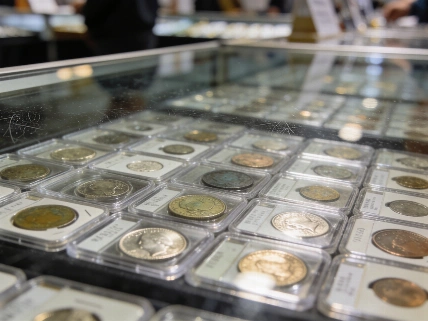
Condition comes next. Coins in Mint State (MS) or About Uncirculated (AU) leave worn or damaged coins behind. The Sheldon Scale, from 1 to 70, is the grading standard. A 70 means flawless. NGC uses this full 1-70 scale, listing grades from "PrAg" to "70" in its records. This system keeps grading clear. Third-party certification by groups like the Certified Acceptance Corporation (CAC), NGC, and Professional Coin Grading Service (PCGS) is now a must. These services build trust and help buyers tell raw coins from certified ones. Vintage coins rarely hit top grades. Modern coins, like American Silver Eagles and commemoratives, often score 69 or 70. NGC's Coin Explorer shows the 2014 W Grace Coolidge $10 coin: out of 213 graded, both the low and average are 69, and the high is 70. Modern coins reach top slabs more often, but value still depends on demand and market mood. The European Central Bank (ECB) and other regulators track these trends.
History adds weight. Coins tied to big events-like the California Gold Rush or the Civil War-draw collectors who care about the story as much as the coin. The 1864 Two-Cent Piece and other coins from turning points stay in demand. Their history boosts both rarity and appeal. Sometimes, the story matters more than the metal. Global events and monetary policy shifts, as seen in FOMC meeting minutes, can shake investor confidence and the collectibles market.
Demand and market dynamics
Collector demand keeps prices moving. Even common coins can jump in value if a series gets hot. Morgan and Peace Silver Dollars, Lincoln Cents, Buffalo Nickels, Standing Liberty Quarters, and Bust Half Dollars all show this. Strong demand keeps prices high, even when coins aren't rare. But demand changes. In the early 1980s, classic commemorative coins soared, then crashed as collectors moved on. These cycles often follow bigger financial trends. Changes in sovereign bond yields or currency moves by the Bank of England (BoE) and Bank of Japan (BoJ) can shift investor appetite for rare coins.
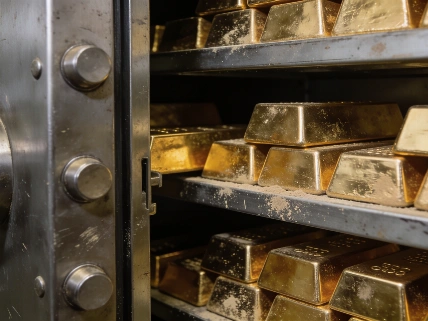
Material matters too. Gold and silver coins have a built-in floor: melt value. When precious metal prices move, so do coin prices. NGC's pricing pages warn that their melt-value info is not an official opinion or policy. That matters when comparing melt value to collector value. Gold coins have often been melted for metal, making survivors scarce. Gold and silver are soft, so they wear down. Copper tarnishes, which can hurt appeal. Commodity markets and exchange rates, tracked by the Bank for International Settlements (BIS) and reported in central bank bulletins, also play a role.
The role of emotion and eye appeal
Emotion is the wild card. Sometimes, collectors chase a coin so hard that prices blow past any guidebook. John Jay Pittman's relentless bidding for a Proof 1854 Gold coin is a famous example. Passion can override logic. Eye appeal matters too. Unique toning on a Morgan Dollar can send prices soaring. But emotional buying is risky. Smart collectors check with professionals before big purchases, especially when markets are jumpy or after major central bank news.
No single factor sets a coin's value. Rarity, condition, history, demand, composition, and emotion all mix together. The results can surprise. A recent report shows rare coin auctions topping $1 million when these forces line up. New issues and changing tastes keep the market moving.
New to coins? Learn these six forces. The market rewards those who watch trends, know grading, and stay cool when demand or emotion runs high. The learning curve is steep. But knowing what drives value gives you an edge in a world where history, scarcity, and passion all matter.
The Sheldon Scale is a must-know for anyone starting out. Built in the mid-1900s, this 1-70 system lets buyers and sellers agree on a coin's condition. Grades run from 1 (barely there) to 70 (perfect). Third-party certification has made grading more professional and cut down on disputes. But even a perfect grade does not guarantee a high price. Demand, history, and collector mood still rule. For anyone navigating coins, seeing how these pieces fit together is the key to smart, confident choices.