Saudi fintech Salla has acquired PayLink and partnered with Naml to deliver broader payment acceptance and distribution tools for over 65,000 Saudi merchants seeking to reach customers at home and abroad
Saudi merchants aiming to sell beyond their borders just gained a new set of tools. Salla, a leading Saudi fintech, has acquired PayLink and entered a partnership with Naml, signaling a direct move to reshape how local businesses accept and process payments both online and in-store.
The deal hands Salla a full suite of payment acceptance capabilities, including SoftPOS technology and expanded point-of-sale services. For merchants, this means the ability to receive payments in multiple currencies and through a wider range of methods-whether the customer is in Riyadh or halfway across the world. Salla's CEO, Nawaf Hariri, made it clear that the company's ambition is to let merchants "receive payments wherever their customers are," and the acquisition is designed to make that promise operational, not just aspirational.
Building a Payment Ecosystem
Founded in 2017 and licensed by the Saudi Central Bank (SAMA), PayLink has specialized in electronic payment solutions for businesses needing to manage, process, and receive funds across diverse channels. By integrating PayLink's infrastructure, Salla is not just adding another payment gateway-it is constructing an end-to-end financial ecosystem for its merchant network, which has grown to over 65,000 since Salla's own launch in 2016.
The partnership with Naml, a local e-commerce connectivity platform, adds another layer. Instead of forcing merchants to build their own distribution networks from scratch, Salla's collaboration with Naml will allow them to expand into retail outlets more efficiently. This is a practical response to the operational headaches that often block small and medium-sized businesses from scaling up their sales channels.
Concrete Data and Market Context
Saudi Arabia's e-commerce sector has seen rapid growth, with the number of online merchants rising sharply over the past decade. Salla's merchant base alone has surpassed 65,000, reflecting a broader trend of digital adoption in the Kingdom. PayLink, established in 2017, has operated under SAMA's regulatory framework, ensuring compliance with local payment standards and security requirements. The financial terms of the acquisition remain undisclosed, but the move positions Salla to compete more directly with regional and international payment providers.
For Saudi merchants, the integration of PayLink's multi-currency and international payment frameworks is a direct answer to the challenge of serving customers outside the Kingdom. This is especially relevant as more businesses look to tap into cross-border e-commerce, where payment acceptance and settlement in foreign currencies can be a major operational barrier.
Competitive Landscape and Strategic Moves
Salla's expansion echoes a wider pattern in the fintech sector, where acquisitions and partnerships are used to accelerate product development and market reach. The approach mirrors moves seen in other markets, such as Eftsure's acquisition of Relish, which reported earlier on the integration of advanced payment and validation tools to secure business transactions across borders.
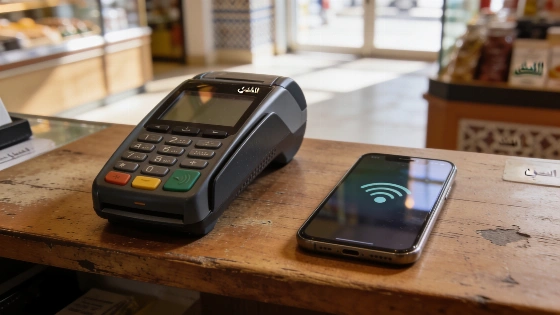
By absorbing PayLink's technology and regulatory licenses, Salla is not only strengthening its domestic position but also laying the groundwork for Saudi merchants to compete internationally. The addition of SoftPOS-software-based point-of-sale solutions that turn smartphones into payment terminals-removes the need for dedicated hardware, lowering entry costs for smaller businesses and enabling more flexible payment acceptance in physical locations.
While the financial details of the deal are confidential, the strategic intent is clear: Salla wants to be the default platform for Saudi merchants who need to accept payments from anywhere, in any currency, and through any channel. The partnership with Naml further reduces friction for merchants seeking to expand their distribution footprint without heavy upfront investment.
In the context of Saudi Arabia's Vision 2030, which prioritizes digital transformation and economic diversification, these moves are more than tactical-they are part of a broader shift toward a cashless, globally connected commercial environment. Salla's latest acquisition and partnership are not just about adding features; they are about removing the practical barriers that have kept many Saudi businesses from participating fully in international commerce. The real test will be whether these integrations deliver on their promise of seamless, secure, and cost-effective payment acceptance for merchants of all sizes.
SoftPOS technology, now central to Salla's offering, allows merchants to accept card payments directly on standard smartphones or tablets without the need for traditional point-of-sale hardware. This approach is gaining traction globally, especially among small businesses and mobile vendors who need flexibility and lower costs. In Saudi Arabia, the adoption of SoftPOS is expected to accelerate as regulatory frameworks mature and consumer demand for digital payments continues to rise. For merchants, the main advantage is the ability to accept a wider range of payment methods-including contactless cards and mobile wallets-while reducing operational complexity and hardware expenses.