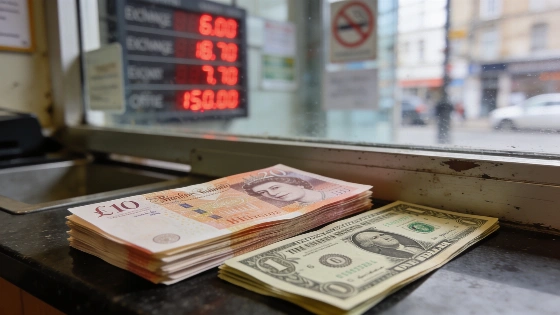
The British pound remains steady against the US dollar, with market focus on Federal Reserve policy and global risk sentiment. Dollar resilience is capping gains for both the pound and euro despite improved risk appetite
The British pound maintained its position above $1.34 against the US dollar on Wednesday, reflecting a cautious balance between improved global risk appetite and persistent expectations of further US interest rate hikes. As of 08:28 GMT, the GBP/USD exchange rate stood at 1.3466, a modest increase of 0.13% from the previous day. The euro also edged higher, with EUR/USD at 1.1541, up 0.08%. However, both currencies struggled to make significant headway as the US dollar remained firm, supported by ongoing speculation about the Federal Reserve's next policy move.
According to analysis from ING, the dollar's resilience is notable given the recent decline in oil prices and a rally in global equities-factors that would typically weaken the US currency. The DXY dollar index hovered near 100, even as Brent crude slipped below $80 per barrel and reports suggested progress toward a US-Iran ceasefire. ING attributes this strength to lingering market expectations that the Federal Reserve could still raise rates at its September 16 meeting, despite softer US job openings data. Market pricing for a potential Fed hike has eased slightly, with implied expectations falling to around 14 basis points from 16-17 basis points earlier in the week.
For the pound, recent movements have not been driven by domestic UK developments. The Bank of England's latest policy meeting saw a 6-3 vote to keep rates unchanged, a narrower margin than markets had anticipated. Governor Andrew Bailey emphasized that disinflation remains on track, reducing the likelihood of near-term tightening. Some policymakers have indicated that rate cuts could be considered if geopolitical tensions in the Middle East continue to ease, prompting markets to scale back expectations for rate increases in 2026. This dovish tone has limited the pound's ability to capitalize on broader risk-on sentiment.
The euro has also struggled to build momentum, despite stronger-than-expected eurozone economic growth and rising inflation. Second-quarter GDP growth reached 0.4%, the fastest pace since early 2025, while July inflation accelerated to 2.9%. These figures keep the possibility of a September rate hike by the European Central Bank in play. However, ING notes that drought conditions and low water levels are disrupting industrial river traffic in Europe, potentially offsetting support from the global equity rally. The euro's path forward may depend on whether the pro-growth risk rally continues and if eurozone data remains robust. A move above 1.1550-1.1560 could open the way to 1.1615-1.1620, but renewed dollar strength or a reversal in the Gulf ceasefire narrative could trigger a decline.
Key data releases this week include the US ISM services index and ADP employment figures, both expected to show continued strength in the American services sector. The main focus remains Friday's US nonfarm payrolls report for July, which is likely to set the tone for currency markets heading into the next Federal Reserve meeting. Until then, the dollar's resilience is expected to keep a lid on gains for both the pound and the euro, with market participants watching for any shift in central bank guidance or geopolitical developments that could alter the outlook.
On August 6, 2026, the GBP/USD spot rate was 1.3466, up 0.13% from the previous day's close. The EUR/USD rate stood at 1.1541, a 0.08% increase. The DXY dollar index remained near 100, reflecting the dollar's continued strength despite a drop in Brent crude oil prices below $80 per barrel and a rally in global equities. Market-implied pricing for a potential Federal Reserve rate hike in September eased to 14 basis points following softer US job openings data earlier in the week.
Central banks play a critical role in shaping currency movements through their policy decisions and forward guidance. The Federal Reserve's interest rate decisions are closely watched by global markets, as changes in US rates can influence capital flows, borrowing costs, and exchange rates worldwide. When the Fed signals a possible rate hike, it often strengthens the dollar by attracting investment into US assets. Conversely, dovish signals or weaker economic data can reduce expectations for tightening, sometimes weakening the dollar. However, as seen in recent weeks, the interplay between central bank policy, economic data, and geopolitical developments can produce complex and sometimes counterintuitive currency reactions.