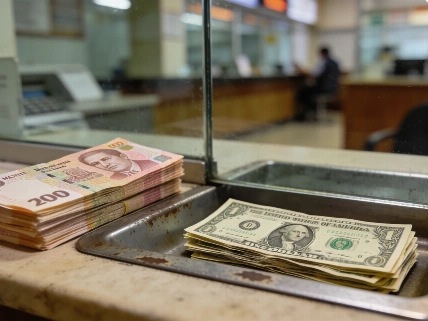

Iran's central bank says it can support the rial despite US sanctions, with up to $2 billion ready for intervention. The move comes as the currency faces record lows and inflation pressures, raising questions about the country's economic stability.
Iran's central bank has moved to reassure markets and the public that it retains sufficient foreign currency reserves to support the Iranian rial, even as US sanctions and a naval blockade continue to weigh on the country's economy. Central Bank Governor Abdolnaser Hemmati stated that the institution is prepared to inject up to $2 billion into the foreign exchange market to address recent volatility, according to the semi-official Tasnim news agency. The announcement follows comments from US Treasury Secretary Scott Bessent, who argued that Tehran's recent actions reflect mounting economic pressure from sanctions.
Central Bank Response to Market Pressures
Hemmati emphasized that Iran's foreign currency reserves remain adequate, despite the ongoing restrictions on international trade and financial flows. He noted that the central bank is actively collecting foreign currency receivables and maintains domestic reserves, though he declined to disclose specific figures or sources. The governor acknowledged that economic conditions have become more challenging for Iranian households, but insisted that the country's financial system remains intact and that talk of collapse is unfounded.
Recent weeks have seen the Iranian rial fall to historic lows against the US dollar, with the exchange rate surpassing 2 million rials per dollar in August. Annual inflation reached 66% in July, according to official data, intensifying concerns about purchasing power and the cost of living. The central bank's readiness to intervene directly in the currency market is intended to stabilize the rial and counteract speculative pressures, though the effectiveness of such measures depends on the scale of intervention and the underlying availability of hard currency.
Sanctions, Inflation, and Currency Intervention
US sanctions have sharply limited Iran's access to international banking systems and foreign exchange earnings, particularly from oil exports. The resulting shortage of hard currency has contributed to the rial's depreciation and fueled inflation, as imported goods become more expensive. While the central bank's intervention pledge may help calm short-term volatility, the broader economic environment remains uncertain. US officials, including Scott Bessent, have warned that businesses engaging with Iran could face secondary sanctions, further isolating the country from global financial networks.
Iranian officials, including President Masoud Pezeshkian, have acknowledged the growing difficulties facing the economy but maintain that the government is committed to managing the situation. The central bank's strategy echoes approaches seen in other emerging markets, where authorities have intervened to defend their currencies during periods of stress. For example, the Reserve Bank of India has taken similar steps to limit rupee losses against the US dollar, as discussed in a recent analysis of how central bank intervention can cap currency declines.
Key Figures and Market Context
In August, the Iranian rial crossed the symbolic threshold of 2 million rials per US dollar in unofficial markets, marking its weakest level on record. The official annual inflation rate reached 66% in July, reflecting the impact of currency depreciation on domestic prices. The central bank's stated willingness to inject up to $2 billion into the market represents a significant intervention, but the scale of foreign currency outflows and ongoing sanctions pose persistent risks to the rial's stability.
Central bank interventions can temporarily stabilize exchange rates, but their long-term effectiveness depends on the underlying supply of foreign currency and the credibility of monetary policy. In Iran's case, the combination of sanctions, inflation, and limited access to international markets creates a challenging environment for currency management. The central bank's actions will be closely watched by businesses, consumers, and international observers seeking signs of stabilization or further stress in the Iranian currency system.
Central bank intervention in currency markets typically involves the sale of foreign reserves to purchase the domestic currency, aiming to support its value and reduce volatility. However, such measures are most effective when backed by sufficient reserves and credible policy commitments. In countries facing external constraints-such as sanctions or trade restrictions-the ability to sustain intervention is limited by the pace at which reserves can be replenished. Over time, persistent intervention without underlying economic adjustment can deplete reserves and undermine confidence, making it essential for authorities to balance short-term stabilization with longer-term reforms.