
As the EU advances its digital euro and the US debates a digital dollar, concerns over surveillance, spending restrictions, and the end of physical cash are fueling public and political pushback
Picture a future where every dollar you spend leaves a digital trail, and the institution behind it can set limits or even reverse your transactions. This scenario is at the heart of the debate over central bank digital currencies (CBDCs), as governments around the world move closer to launching digital versions of their money.
In the United States, skepticism has already led to new laws. The 21st Century ROAD to Housing Act, which passed with support from both parties, blocks the Federal Reserve from introducing a digital dollar until at least 2030. As reported by Reuters, the law stops the Fed from issuing a CBDC or any similar digital asset without direct approval from Congress. Lawmakers point to concerns about government surveillance and the loss of financial independence as key reasons for the pause. This public reaction is a sharp contrast to the quiet response when President Richard Nixon ended the dollar's gold backing in 1971-a major shift that barely affected his popularity at the time.
Programmable money and new risks
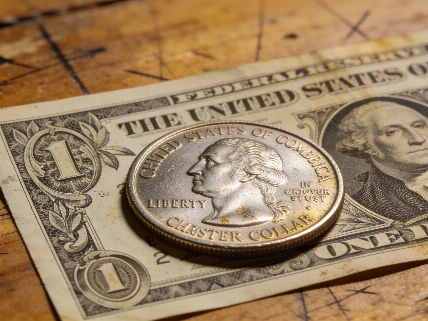
Unlike cash or regular bank accounts, a digital dollar would exist only in a wallet managed by the central bank. This setup could allow authorities to program how money is used: they might set spending limits, block certain transactions, or even reverse payments. While credit cards already allow some monitoring, digital currencies could remove the last bit of anonymous spending. For many Americans, this isn't just a technical issue-it's a direct challenge to long-standing expectations of privacy and freedom in financial life.
Other major economies are moving ahead. The European Union is pushing forward with its digital euro, and both China and India have already tested or launched their own CBDCs. India, for example, is working to connect its digital currency with other BRICS countries for international payments, though there are still political and technical obstacles, according to Reuters. The US debate stands out for its intensity, reflecting a deep suspicion of centralized control. The rapid pace of technology only adds to these worries, as society has had little time to adjust to the idea of programmable money.
Historical shifts and public trust
Money has changed form many times-from salt and livestock to gold, then paper, and now fiat currency. Each step made trust in the issuing authority more important. Earlier changes happened slowly and were often accepted by the public, but the move to digital is different. The possible loss of cash as a private, untraceable option has sparked a backlash that earlier reforms did not face.
Recent polls and new laws show that many Americans are not ready to give up control over how their money works. The digital dollar debate is about more than technology; it's about the limits of government power and what personal freedom means in the financial system. In September 2026, the Federal Reserve and other agencies updated customer identification rules, stating that new digital credentials like mobile driver's licenses can supplement, but not replace, existing anti-money laundering checks (Federal Reserve Board guidance). This highlights the regulatory challenges of digital identity in banking.
Everyday consequences and collecting culture
For most people, switching to digital currency could mean more than just a new way to pay. Programmable money could let authorities block certain purchases or freeze funds instantly. While these controls might help fight fraud or crime, there's a real risk of overreach. Losing cash also means losing privacy for everyday transactions, from small buys to donations.
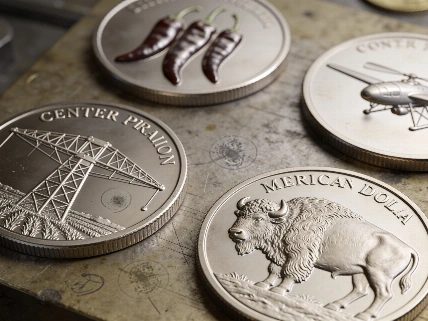
There are cultural effects, too. Coin collectors see digital money as a threat to their hobby. The decline of physical cash could follow the path of stamp collecting, which faded as personal letters disappeared. Coins have always been more than spending tools-they're pieces of history and identity. Even as digital currencies grow, physical coins still hold value for collectors, as shown by the ongoing trade in Roman and Confederate money long after those economies ended.
Data and global context
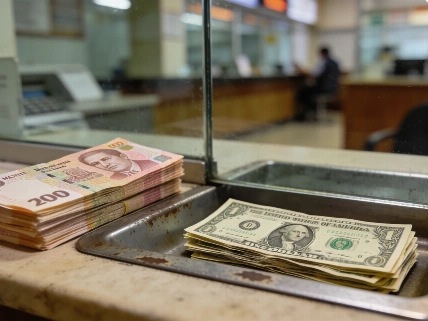
The European Central Bank says the digital euro is now in the legislative phase, with pilot programs set to expand in 2026. China's digital yuan has reached millions in pilot cities, and India's e-rupee is being tested for both retail and wholesale use. In the US, the Federal Reserve has done research but cannot issue a digital dollar until at least the end of 2030, following recent Congressional action. Meanwhile, cash use is dropping worldwide: in the euro area, cash payments fell from 79% in 2016 to 59% in 2022, according to ECB data. In the US, private dollar tokens are growing fast-U.S. Bancorp completed its first live transaction with the USBDC stablecoin in September 2026, showing the rise of digital dollar payments outside the CBDC system, as tracked by Reuters.
For those watching the move away from physical money, recent analysis looks at how coin collecting is adapting as coins become less central to daily life.
Mechanics of trust and control
CBDCs are not cryptocurrencies like Bitcoin. They are issued and controlled by national authorities and are meant to serve as legal tender. Unlike decentralized digital assets, CBDCs can be programmed to follow rules set by the issuer. This feature can make payments faster and allow targeted stimulus, but it also brings new levels of oversight and intervention in personal finance. The debate over digital dollars is really about who sets the rules for money and how much trust people are willing to place in that authority.
As money moves from physical to digital, the questions are not just technical-they are political. The US response, marked by cautious laws and public skepticism, shows that the path to a digital dollar will not be easy. Unless policymakers can ensure privacy, autonomy, and usefulness, resistance is likely to continue. History suggests that trust is the real foundation of money, and it cannot be created by code alone.
Central bank digital currencies are a new kind of money, combining the legal status of cash with the technology of digital payments. Unlike commercial bank deposits, which are liabilities of private banks, CBDCs are direct claims on the central bank. This matters because, in a crisis, people may prefer the safety of central bank money. But CBDCs also raise questions about the future of banks, the strength of payment systems, and the balance between innovation and individual rights. The choices governments make now will shape not just how we pay, but what it means to hold and use money in the digital age.