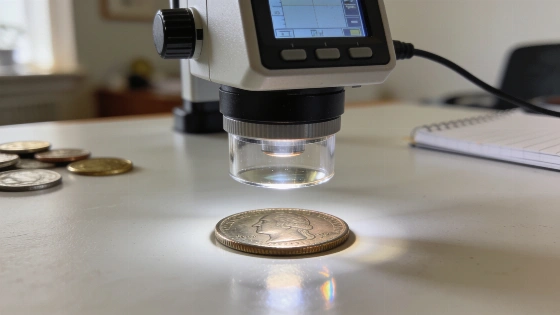
New computer-powered grading tools are putting scientific coin analysis in the hands of collectors, promising faster results and a unique digital ID for every coin.
For years, coin collectors have struggled to match their own grading with what the professionals say. The difference of a single grade can swing a coin's value or how easy it is to sell. Now, new tech is changing the game. Collectors can grade coins at home with tools that once belonged only to experts. This shift comes as global currency markets react to collector demand and the price of precious metals, tracked by central banks like the Federal Reserve and the European Central Bank (ECB).
The QCG OCS200 CoinGradr sits at the center of this change. It's a device that pairs an IoT digital microscope with cloud analysis. Instead of just trusting the human eye, it snaps high-res photos of both sides of a coin. Then, computer vision and math models take over. The goal is to make grading less subjective and more consistent. As of September 2026, there are no independent confirmations of the QCG OCS200 CoinGradr in major regulatory or numismatic sources. Still, the market is seeing a surge in AI and photo-based grading tools, as shown in ECB exchange rate data.
From human judgment to digital precision
Old-school grading depends on the expert's eye. But even pros can disagree on small details. The QCG OCS200 CoinGradr tries to fix this. It uses coins already graded by professionals as its baseline. The system checks each coin against the 19 Sheldon grades, a standard scale in coin collecting. It also scores Mint State features like luster, strike, surface, and eye appeal from 1 to 5. These scores get adjusted with bell curve models to account for differences in minting by year and series. This is similar to how central banks like the Bank of England (BoE) use stats to judge inflation and currency stability.
After the scan, the platform creates a digital report in under 15 minutes. Each report gives the coin a unique digital fingerprint, based on its wear and scratches. No two coins have the same pattern. The system assigns a Quantitative Sheldon Grade and links the coin to a global database. It also checks online marketplaces to estimate the coin's current value. In the world of foreign exchange, these digital records help track where coins come from and prove they're real. That matters more as cross-border coin sales are shaped by exchange rates and oversight from groups like the International Monetary Fund (IMF).
Pre-grading tools and market impact
Devices like the OCS200 aren't meant to replace professional grading. They're pre-grading tools. Collectors use them to screen coins before paying for shipping, insurance, and expert review. This can save time and money, especially for big collections or planned sales. Online, digital pre-grading is already a business. Expert assessments on sites like HeriBase cost $29.99 per coin, and some consultations go up to $39.99 per coin. That shows the real value of early digital checks, as seen in best coin identifier apps.
A recent analysis found that even small grading differences can affect collector trust and market prices for years. By bringing in scientific measurement and digital records, computer grading tools could help set clearer standards and cut down on fights over condition and value. This is a lot like how central bank policy minutes, such as those from the Federal Reserve, shape market expectations and calm the foreign exchange markets.
How the technology works
The QCG OCS200 CoinGradr starts by taking sharp images of both sides of a coin. These photos go to the cloud, where special algorithms check the surface, strike, and other features. The system uses rule-based models, not generic machine learning, to keep things transparent and repeatable. Its Mint State grading method is based on well-known numismatic books, including work by James Halperin. Leading digital grading apps make it clear: photo grading can judge wear, detail, and surface, but it doesn't prove a coin is real. That's like the gap between early economic data and official central bank confirmation.
Each digital report gives a grade and creates a permanent record for the coin. This makes it easier to track where a coin has been and spot any changes. The link to online market data gives collectors a quick look at possible value, though real sale prices still depend on demand and other factors. Just as currency values shift with bond yields and inflation numbers like the Consumer Price Index (CPI), coin prices move with the wider economy and collector mood.
Facts and figures
The QCG OCS200 uses the Sheldon scale, which splits circulated coins into 19 grades. Mint State coins get extra scores for key features. The digital grading process usually takes less than 15 minutes. Each coin gets a quantitative grade and a unique digital fingerprint. Market value estimates come from current online listings, but the final sale price can change depending on the deal. Big swings in currency pairs like EUR/USD and USD/JPY can affect the global coin market, especially for rare coins traded across borders, as the Bank for International Settlements (BIS) triennial survey notes.
Digital fingerprints and collector confidence
One of the biggest changes is the digital fingerprint for every coin. Each coin's wear and marks are unique, so this fingerprint acts as a permanent ID. It helps stop fraud and track ownership. For collectors, this means more trust in a coin's authenticity and history. To get reliable automated grading, collectors need high-quality, standard photos-both sides, the rim, and no glare. This level of detail matches the accuracy required in central bank reports and financial rules.
The tech doesn't replace expert review for high-value coins, but it does bridge the gap between amateur and pro standards. As more collectors use these tools, the market could move toward more transparency and trust in grading. This trend is similar to how clearer central bank communication has reduced uncertainty and helped steady markets.
Computer coin grading is a clear step toward science-based analysis in collecting. By mixing industrial imaging, stats, and digital records, these systems make grading easier and less subjective. Collectors get better information, and fights over condition and value may drop.
In coin collecting, the line between circulated and Mint State coins is key for value. The Sheldon scale, made in the mid-1900s, is still the base for most grading, but it's always had some subjectivity. Computer grading tools try to standardize things by using big datasets of pro-graded coins and steady math models. Still, digital analysis can't cover everything. Market mood and collector tastes still play a role in prices-just as central bank policy can't fully predict or control currency markets.