

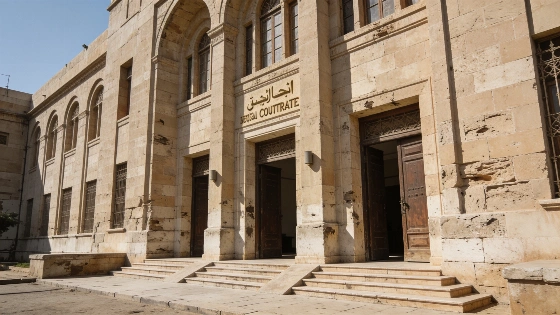
A Minya appeals court has slashed prison sentences for 42 people and cleared 19 more of all charges. The move follows a review of tough sentences and fines, showing how Egypt's legal and financial pressures play out in real cases.
Dozens of defendants in Minya just saw their prison terms cut sharply. The First Circuit of the Al-Adwa Appeals Court reviewed a string of criminal cases and dropped sentences for 42 people from at least three years down to just one year each. At the same time, 19 others walked free after being acquitted of all charges. Local media and judicial sources confirmed the news, closing a chapter on a set of high-profile prosecutions in the region. Details were reported by Al Masry Al Youm.
The cases stretched across four districts: Al-Adwa, Maghagha, Beni Mazar, and Matai. The original sentences, set by the public prosecution, ranged from three to fifteen years in prison. Fines ran from 10,000 to 100,000 Egyptian pounds. While these sums are steep for many in Minya, they are modest compared to Egypt's wider financial landscape. The Egyptian pound has been unstable. The Central Bank of Egypt (CBE) raised its key policy rate by 200 basis points in 2026 to fight inflation and steady the currency. The Monetary Policy Committee tracks these moves closely.
How the court reviewed the sentences
Judge Abdelrahman Mohamed Abdelhafiz led the appeals court, joined by Judges Alaa Eldin Amer Ahmed and Mohamed Fathy Sayed Abdelaziz. They went through the referral documents and earlier verdicts in detail. After hearing the defense and looking at the evidence, the court decided to cut sentences and clear some defendants. Court clerks Mohamed Gomaa and Khaled Mohamed Abdelghani were present, making sure the process was transparent. Minya's courts often draw attention for big appeals and legal protests, as covered by Ahram Online and other outlets.
Chief Prosecutor Moussa Hemam from the North Minya Prosecution Office had pushed for tough penalties under Egypt's criminal code. The 42 cases each involved different criminal charges across the four districts. After the first round of convictions, the appeals gave the court a chance to reconsider. Today's decision reflects that review. The court also delayed a retrial in a separate Maghagha murder case until November, so some legal battles are still ongoing.
Who was affected and what changed
All 42 defendants who got reduced sentences had faced at least three years in prison, with some looking at up to fifteen. Fines ranged from 10,000 to 100,000 Egyptian pounds. Now, each will serve just one year. For the 19 acquitted, all charges are gone. Their legal troubles in these cases are over.
The prosecutions began in early 2026. The appeals court's ruling is the latest step in a process that drew attention for its size and the number of people involved. All defendants were in court to hear the final decisions. These events show how appeals courts in Egypt can change the outcome, especially in places like Minya where complex, high-profile cases are common.
What the ruling means for those involved
The shorter prison terms and acquittals take effect right away. For those with reduced sentences, it means less time behind bars and, in some cases, relief from big fines. For the 19 acquitted, the court's decision ends their legal ordeal.
The referral order listed fines from 10,000 to 100,000 Egyptian pounds, showing the weight of the charges. The court did not say if the fines changed, but the cut in prison time is the most direct result for those affected. This comes as Egypt's inflation, measured by the Consumer Price Index (CPI), stays high. The Central Bank of Egypt is keeping a close eye on monetary policy. The International Monetary Fund (IMF) has also stressed the need for exchange rate flexibility and fiscal discipline in its latest reports on Egypt.
How appeals work in Egypt
Egypt's criminal justice system lets defendants appeal if they think their convictions or sentences were unfair. A higher court reviews the evidence, legal arguments, and how the original trial was run. In this case, the First Circuit of the Al-Adwa Appeals Court used its authority to look again at both the facts and the law, and found reasons to reduce or overturn many sentences.
Appeals courts in Egypt help make sure convictions and sentences fit the law and the facts. The right to appeal guards against mistakes and harsh punishments, though the process can take time. The Minya court's decision shows how judicial review works to keep the system fair. The Central Bank of Egypt's efforts to steady the pound and control inflation are watched by groups like the IMF and the Bank for International Settlements (BIS), since currency stability is key for Egypt's economy.
For the people whose sentences were cut or who were acquitted, the court's decision brings relief. But the bigger story is how the appeals process acts as a real check in Egypt's legal system. The court's willingness to revisit earlier rulings shows that criminal justice in Egypt is not set in stone until all appeals are heard.