
Analysts anticipate the Canadian dollar will hold its ground against the US dollar in the coming months, with only gradual appreciation forecast over the next year as economic differences between Canada and the US narrow
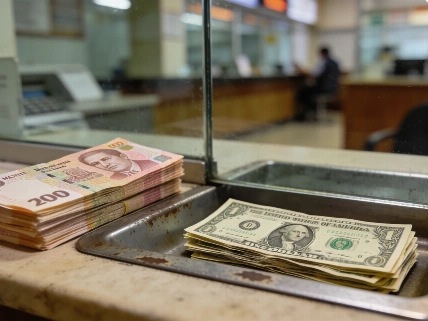
The Canadian dollar is projected to remain broadly stable against the United States dollar over the next several months, with only limited gains expected by mid-2025. This outlook is based on a recent survey of 34 foreign exchange analysts, who see few immediate catalysts for significant movement in the USD-CAD exchange rate. The consensus reflects a period of subdued trading activity and a narrowing gap in economic performance between Canada and the United States.
According to the poll, the Canadian dollar is forecast to trade at 1.40 per US dollar-equivalent to 71.43 US cents-in three months' time. This matches the previous month's forecast, suggesting that analysts do not expect major shifts in the near term. Over a 12-month horizon, the Canadian dollar is expected to appreciate by approximately 2.6%, reaching 1.366 per US dollar. This figure is only slightly weaker than the previous forecast of 1.36, indicating a modest upward trajectory rather than a sharp rally.
Muted Drivers and Market Sentiment
Several factors that previously influenced the Canadian dollar's direction have faded in importance. Market enthusiasm around artificial intelligence, heightened sensitivity to geopolitical risks in the Middle East, and the impact of US tariffs have all diminished as primary drivers. As a result, the USD-CAD pair is expected to remain within a relatively narrow trading range, especially during the quieter summer months when trading volumes typically decline.
Sarah Ying, head of foreign exchange strategy at CIBC Capital Markets, notes that the economic performance gap between Canada and the United States has started to close. This convergence reduces the likelihood of sharp currency moves driven by divergent growth or policy expectations. With fewer surprises on the horizon, both investors and businesses may find the Canadian dollar's stability reassuring, even if it limits opportunities for rapid gains.
Economic Data and Forecasts
Canada's economy expanded by 3.4% in the second quarter of the year, marking its strongest quarterly growth in more than three years. This robust performance has helped support the Canadian dollar, even as global currency markets remain sensitive to shifts in US monetary policy and international risk sentiment. The Bank of Canada's policy stance and inflation outlook will continue to play a role, but for now, analysts see little reason to expect dramatic changes in the exchange rate.
For context, the USD-CAD exchange rate has hovered near 1.40 in recent months, with only minor fluctuations. The forecasted appreciation to 1.366 over the next year represents a moderate strengthening of the Canadian dollar, but not a return to levels seen in previous cycles. The outlook remains subject to change if new economic data or policy decisions alter the balance of risks.
Understanding Currency Stability
Periods of currency stability can have both positive and negative implications for consumers, businesses, and policymakers. For importers and exporters, a stable exchange rate reduces uncertainty in cross-border transactions and helps with pricing and budgeting. For travelers and those making international payments, it means less risk of sudden changes in purchasing power. However, stability can also reflect a lack of strong economic momentum or limited investor interest, which may dampen opportunities for outsized gains or losses. In the case of the Canadian dollar, the current outlook suggests a period of relative calm, with only gradual shifts expected unless new shocks emerge.