
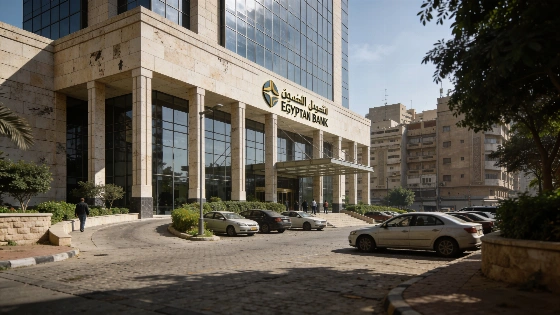
Emirates NBD Egypt has jumped into Africa's 100 largest banks for 2026, fueled by a sharp rise in capital and assets that left many rivals behind.
Emirates NBD Egypt just made a big move. The bank now sits at number 63 in The Banker's 2026 list of Africa's 100 largest banks. This jump follows a steep climb in both capital and assets. The bank stands out in a region where growth is uneven. Its international reach, confirmed by its official corporate site, shows how serious it is about Egypt and the wider region.
The Banker's report puts Emirates NBD Egypt's Tier 1 capital at USD 470 million by December 2025. That's up 37.9% from the year before. Total assets hit USD 4.357 billion, a 39.2% jump in the same period. These numbers are not just big-they're fast. The bank's growth rate is nearly double the average for the world's top 1000 banks this year, measured in US dollars. Africa's top banks are on a similar run. According to The Banker's 2026 overview, asset and Tier 1 capital growth in Africa is running at about twice the global pace.
Growth metrics and profitability
There's more than just size. By the end of 2025, Emirates NBD Egypt posted a return on capital of 27.15% and a return on assets of 2.93%. The capital-to-assets ratio was 10.80%. That's a strong capital base for a bank that's growing fast. These numbers show the bank is not just getting bigger-it's getting more efficient and profitable. The Central Bank of Egypt keeps a close eye on capital and liquidity across the sector. It follows international rules set by the Bank for International Settlements (BIS).
The Banker's analysis points out that Africa's banking sector is still smaller than those in other regions. But some of the world's fastest-growing banks are here. The top 100 African banks, ranked by Tier 1 capital, have posted asset and capital growth rates that beat their global peers. The sector still faces tough economic and structural problems. The National Bank of Egypt reported total assets of USD 197.98 billion at the end of June 2026. That makes it Africa's second-largest bank by assets. Emirates NBD as a group reported total assets of AED 1.3 trillion at 30 June 2026. That shows its reach across the region. Details are in the Emirates NBD group release.
Regional context and sector dynamics
Emirates NBD Egypt's rise fits a wider trend. Regional banks are using capital injections and asset growth to climb the global rankings. This bank stands out in a market where many struggle with currency swings and changing rules. As previous coverage shows, Emirates NBD Egypt has worked to make its services part of daily financial life. That strategy is paying off. Customers are more engaged, and the numbers back it up. In the wider Arab region, Emirates NBD ranked No. 2 by customer deposits at end-June 2026. Deposits reached USD 242.892 billion, up from USD 214.01 billion at end-2025. The National Bank of Egypt held USD 128.125 billion in deposits. The competition is fierce.
For context, the average growth in Tier 1 capital and assets among Africa's top 100 banks, measured in US dollars, is almost twice the rate seen at the world's 1000 largest banks this year. That's fast, especially for a region with a smaller banking sector and plenty of economic headwinds. The International Monetary Fund (IMF) has stressed the need for strong capital buffers in emerging market banks. Exchange rate swings and inflation can hit asset quality and profits hard.
What drives Tier 1 capital rankings
Tier 1 capital is the main measure of a bank's strength. It's the money set aside to absorb losses and keep lending. This includes common equity and disclosed reserves. Regulators and analysts use it to judge how solid a bank is. High Tier 1 capital ratios matter even more in emerging markets. Economic shocks and currency drops can quickly weaken banks with thin capital. The Federal Reserve and the European Central Bank (ECB) both set strict Tier 1 capital rules. The standard is global.
In Africa, fast growth in Tier 1 capital often comes from both business expansion and new money from parent groups or investors. But there's a catch. Banks need to balance growth with risk controls and steady profits. Growing too fast can bring credit and market risks if not managed well. The Central Bank of Egypt publishes regular updates and meeting minutes on its Monetary Policy Committee portal.
Emirates NBD Egypt's jump in The Banker's rankings sends a clear message. Focused capital growth and efficient operations can push regional banks into the continental spotlight. The bank's strong returns on capital and assets, plus a healthy capital-to-assets ratio, set a high bar for others. African banking is changing fast. The banks that mix size with smart risk management will shape what comes next.
Tier 1 capital is seen as the best sign of a bank's core strength. Total assets can be boosted by short-term funding or market swings. Tier 1 capital shows the real resources a bank has to handle losses and keep lending. Regulators worldwide use Tier 1 capital ratios to set minimums and watch for systemic risk. In emerging markets, where shocks are common, a strong Tier 1 capital base is key for stability and growth.