Specie refers to coins made of gold or silver, but its meaning and treatment in numismatics go further. This article explains how specie, hard money, and coin conservation intersect, and what collectors should know about restoration and value.
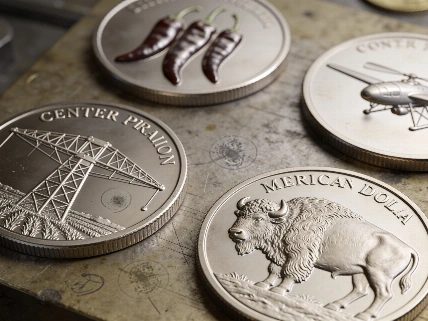
In numismatics, the term "specie" is often used to describe coins made from precious metals, but its definition and practical use are more nuanced. Traditionally, specie refers to coins struck for circulation from gold or silver, such as the 1866 quarter eagle. However, the concept has also been applied more broadly to include gold dust, ingots, platinum, pearls, and even paper money that is directly backed by gold or silver reserves and redeemable on demand. This flexibility in definition reflects the evolving nature of monetary systems and the materials used to represent value.
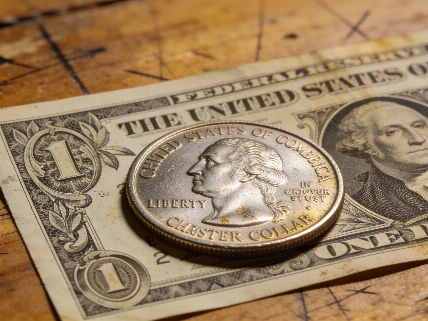
Hard money is a closely related term, and in numismatic circles, it is often used interchangeably with specie. Both refer to tangible forms of money with intrinsic value, typically gold or silver coins. However, "hard money" also has a political meaning in the context of campaign finance, where it denotes regulated contributions to candidates or parties. In monetary history, hard money can include banknotes that are redeemable for specie, while "soft money" refers to notes not backed by precious metals.
Specie, Shipwrecks, and Coin Conservation
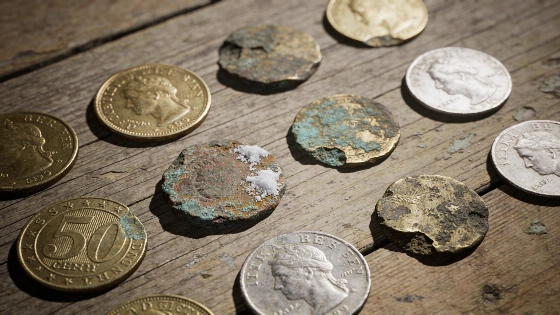
Coins made of gold and silver have long been prized for their durability and value, but their resilience is tested when recovered from challenging environments such as shipwrecks. Gold coins, for example, are relatively resistant to saltwater corrosion and often survive underwater with minimal damage. Silver coins, on the other hand, are more vulnerable to chemical reactions with chloride ions in seawater, which can cause corrosion and mineralization, sometimes transforming the original metal into other compounds. The fate of coins recovered from shipwrecks has fascinated collectors and historians alike, as seen in the discovery of Peru 8 Escudo coins among other treasures.
For collectors considering restoration, third-party certification services offer professional conservation rather than enhancement. Conservation involves the careful removal of surface contaminants-such as dirt, PVC residue, or active corrosion-without altering the coin's original surface. These services do not engage in tooling, smoothing, or disguising pitting, as such invasive alterations can reduce a coin's authenticity and value. Properly conserved coins are generally more desirable than those that have been artificially improved, a distinction that is critical in the numismatic market. The importance of original surfaces and professional conservation is highlighted by the recovery and treatment of coins from historic shipwrecks, such as the 1857-S Double Eagle that resurfaced after more than a century underwater, as detailed in this account of a rare U.S. gold coin's journey.
Restoration, Dipping, and Value Implications
Restoration techniques in numismatics are subject to strict standards. Tooling or smoothing a coin's surface involves physically altering the metal, which is considered invasive and can significantly diminish the coin's value and collectability. These methods are sometimes used in an attempt to artificially improve a coin's grade, but they are easily detected by experts and typically result in a lower market price compared to coins that have only undergone conservation.
Another common practice is "dipping," where a coin is immersed in a diluted acid solution to remove tarnish or oxidation. While dipping can temporarily brighten a coin's appearance, it also strips away the original luster, leaving an unnatural shine that is generally viewed negatively by collectors and can reduce the coin's value. Commercial coin dips are widely available, but their use is controversial and often discouraged by professionals who prioritize the preservation of original surfaces.
According to major grading services, coins that have been properly conserved-meaning contaminants are removed without damaging the underlying metal-are more likely to retain or increase their value. In contrast, coins that have been tooled, smoothed, or excessively dipped are typically marked as altered and may be less attractive to serious collectors.
Understanding Specie in Modern and Historical Contexts
The distinction between specie and other forms of money remains relevant for collectors, historians, and anyone interested in the evolution of currency. While the strict definition of specie centers on gold and silver coins intended for circulation, the term's broader use reflects the changing landscape of monetary instruments and the ongoing debate over what constitutes "real" money. The treatment and conservation of coins-especially those recovered from extreme environments-underscore the importance of authenticity and professional standards in the numismatic world.
In the United States, for example, the Coinage Act of 1792 established gold and silver as the basis for legal tender, a standard that influenced monetary policy for generations. Today, while most currencies are no longer backed by precious metals, the legacy of specie continues to shape collector preferences and the market for rare coins. Understanding the difference between conservation and restoration, and recognizing the risks of invasive treatments, is essential for anyone seeking to preserve the historical and financial value of coins.
Specie and hard money are foundational concepts in monetary history, representing the tangible value that underpinned early financial systems. The transition from metal-based money to fiat currency marked a significant shift, but the principles of durability, authenticity, and trust remain central to the way money is perceived and collected. As numismatics continues to evolve, the careful conservation of coins-especially those with historical significance-ensures that the stories and value they carry are preserved for future generations.