
The US Mint will release a new Saint Gaudens High Relief $20 gold coin and silver medal set for the nation's 250th anniversary, capping its Best of the Mint series with a design that once challenged the limits of coin production
When the United States Mint opens orders for its 2026 Saint-Gaudens High Relief $20 gold coin and silver medal set, it will not just be selling another commemorative. It will be closing a chapter that began with a presidential demand for artistry and ended with a coin that defied the Mint's own machinery. The final release in the Best of the Mint Semiquincentennial series is not a routine anniversary product-it is a calculated statement about what American money can represent, and who gets to decide.
The 2026 set, launching on September 24, delivers a modern take on the legendary 1907 Saint-Gaudens double eagle. The original coin, born from Theodore Roosevelt's insistence that US coinage should match the nation's ambitions, forced the Mint to confront the limits of early 20th-century technology. Augustus Saint-Gaudens' design, with Liberty striding forward and an eagle soaring into the sunrise, was so bold in relief that the Mint's presses struggled to bring it to life. Only a small number of the highest-relief coins ever left the Philadelphia Mint, and even the so-called High Relief version required multiple strikes and special handling before the design was flattened for mass production.
Modern Revival with New Specifications
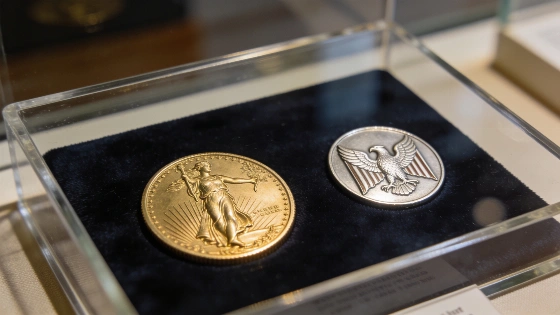
The 2026 gold coin is not a direct replica. Instead, it adapts Saint-Gaudens' composition for a modern audience. The coin contains one troy ounce of 99.99% pure gold, a higher purity than the original's 90% gold alloy, and measures 30.61 mm in diameter-smaller than the 1907 double eagle. The obverse features Liberty with flowing hair, torch, and olive branch, set against sunrays and the distant Capitol. The date appears in Roman numerals as MCMVII, but a new Liberty Bell privy mark with the number "250" ties the coin to the Semiquincentennial. The reverse preserves the eagle in flight, while the edge carries E PLURIBUS UNUM in raised lettering. The West Point Mint will strike the coin, with a maximum mintage of 15,000-mirroring the rarity of the original High Relief issue, which numismatic research places between 12,000 and 12,700 pieces depending on how melts and strikes are counted.
Alongside the gold coin, the set includes a one-ounce silver medal designed by Jesse Hernandez. Rather than copying the double eagle, Hernandez's medal reinterprets the theme: Liberty appears with torch and olive branch, surrounded by thirteen stars, while the reverse transforms the eagle's wings into an American flag. The Philadelphia Mint will produce the medal, which contains 99.9% silver and measures 40.60 mm in diameter. Both pieces are uncirculated and will be available only as part of this set, with a household order limit of one and the retail price yet to be announced as of early September.
Artistic Ambition and Collector Stakes
The Saint-Gaudens finale is not just about nostalgia. It is the culmination of a five-part series that began with the 1916 Mercury Dime and included the Standing Liberty Quarter, Walking Liberty Half Dollar, and the 1804 Silver Dollar. Each set paired a gold coin with a silver medal, blending historical designs with new artistic interpretations. The Mint's approach was deliberate: it first shortlisted 21 historic coins, then let the public vote, before final approval by the Secretary of the Treasury. The result is a concentrated survey of American numismatic art, with each gold coin looking back and each medal looking forward.
For collectors, the 2026 Saint-Gaudens set presents several concrete stakes. The 15,000 mintage ceiling is the lowest in the series, matched only by the 1804 Dollar set. Completing the five-coin program will require this final release, and the Saint-Gaudens design already commands attention from multiple collector groups-classic gold specialists, modern bullion buyers, and those who remember the 2009 Ultra High Relief. The addition of the "250" privy mark and the exclusive silver medal further distinguish this issue from previous modern Saint-Gaudens coins. However, as seen with earlier releases-where the Mercury Dime sold out, the Standing Liberty Quarter remained available, and the Walking Liberty set went to backorder-low mintage alone does not guarantee secondary market premiums. The entry price, gold content, and competition from other Saint-Gaudens formats will all influence demand.
Historical Echoes and Modern Contrasts
The original 1907 High Relief double eagle was a technical and artistic experiment that nearly broke the Mint's production process. Ultra High Relief pieces required up to nine strikes from a hydraulic press, and only a handful were made. Even the High Relief version, which saw a limited run before being flattened for mass production, was never easy to produce. Saint-Gaudens himself died before seeing the final circulating coin, leaving his assistant to complete the project. Today, digital technology allows the Mint to achieve what was once impossible, as demonstrated by the 2009 Ultra High Relief and now the 2026 issue.
Other mints have also used historic coinage to mark national milestones. Australia's Royal Mint, for example, revived the 1813 Holey Dollar for a recent anniversary, as reported earlier. These projects are not just about nostalgia-they are about asserting national identity through currency design, and about the technical and artistic choices that define what money looks and feels like.
For the US Mint, ending the Best of the Mint series with the Saint-Gaudens High Relief is a calculated move. It closes a program that began with the coinage renaissance of 1916 and ends with the design that helped spark it. The Mint is not simply selling gold and silver-it is selling a narrative about American ambition, technological progress, and the ongoing debate over what national money should represent. The 2026 set is not a mere reproduction, but a modern reinterpretation that acknowledges both the limitations of the past and the possibilities of the present. For collectors and historians alike, this release is less about investment potential and more about the story it tells: a story of artistic risk, presidential intervention, and the enduring power of numismatic design.
The Saint-Gaudens High Relief double eagle occupies a unique place in American coinage. Unlike most circulating coins, its value as a collectible far exceeds its face value, and its design has influenced generations of US gold coins, including the American Gold Eagle. The original 1907 issue is prized for its artistry and rarity, but also for the technical challenges it posed. Modern commemorative issues, such as the 2009 Ultra High Relief and the 2026 Best of the Mint coin, use advanced minting technology to revisit these historic designs, but they also reflect changing standards in gold purity, size, and collector expectations. Understanding the distinction between original circulation coins and modern commemoratives is essential for anyone interested in the intersection of currency, history, and national identity.