
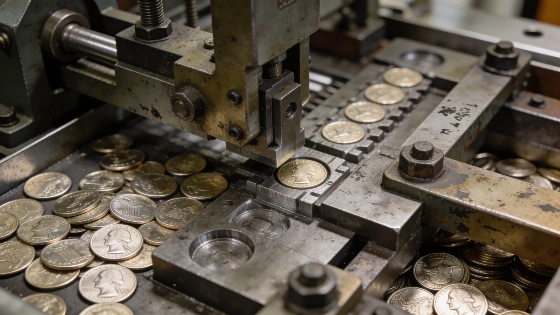
The US Mint is inviting the public inside its Philadelphia facility for a series of meet and greets, giving visitors a firsthand look at coin production and a chance to speak directly with mint artisans and security staff.
October brings a break from routine at the US Mint in Philadelphia. For the first time in years, the public can step inside the facility and see how American coins are made. The Mint is planning three meet and greet events as part of the country's semiquincentennial. Each event will focus on a different division and the people who shape the coins used every day. But there's a catch. No independent confirmation of the official schedule or public documentation for these events on October 15, November 13, and December 4 has turned up in available search results. Anyone interested should check directly with the Mint or the U.S. Treasury.
Visitors will get more than a look through glass. They'll see the machines that turn metal into coins. They'll meet the artisans and technical staff who make it happen. The Mint says this is a shift from the usual tours. Staff who design, strike, and secure the nation's currency will be on hand. The Federal Reserve is still watching the cost of making coins as part of its job to keep the U.S. monetary system running smoothly.
Inside the Philadelphia Mint
The first event is set for October 15. The Die Shop Division will show how coin dies are made and kept in working order. On November 13, the spotlight moves to the Numismatics Division. This team handles collector and commemorative coins. The last event, on December 4, features the Mint Police Division. Security is the focus that day. Even with these details, there's no official event report or attendance data from the Mint or Treasury. No independent regulatory source has confirmed the events.
Each event runs from 10 a.m. to 2 p.m. Attendees will see the skills and challenges behind modern coin production. The Mint says these gatherings are meant to show the "people and processes behind America's coins and medals." That kind of access is rare in the industry. The Mint's work is watched closely by the Treasury and the Federal Reserve. Coin production costs and distribution numbers affect seigniorage and the U.S. currency supply.
Coinmaking in context
The Philadelphia Mint is the oldest and largest coin factory in the country. It makes billions of coins each year for circulation, collectors, and official events. The Mint has marked big anniversaries before with special coins. The 2026 Proof Set, for example, drew attention for breaking with tradition. This time, the focus is on the people and skills behind the coins.
Collectors, historians, and anyone curious about how money is made can get a close look. These meet and greets let visitors talk to die engravers, numismatic experts, and security staff. That's a big change from the usual tours, which keep visitors at a distance. The Mint's production numbers and costs come up often in the Federal Reserve's monetary policy discussions. The cost to make pennies and nickels has gone above their face value in recent years.
Dates and divisions
The plan is simple. Die Shop Division on October 15. Numismatics Division on November 13. Mint Police Division on December 4. Each session will show the unique work and challenges of its team. That includes the technical side of die making and the changing security needs of the Mint Police. Still, as of now, there's no official confirmation or published agenda from the Mint or Treasury. No independent regulatory filings have surfaced.
The Mint hasn't shared attendance numbers or detailed programs for each event. The focus on each division hints at a tailored experience. The events are open to the public. There's no mention of advance registration or tickets in the official announcement. The Mint's push for transparency fits with trends at central banks. The Federal Reserve and the European Central Bank both publish meeting minutes and policy statements regularly.
Behind the scenes of US coin production
Making coins at the Philadelphia Mint is a mix of design, engineering, and security. The Die Shop makes the steel dies that stamp every detail onto blank coins. The Numismatics Division creates limited-edition and commemorative coins. They balance history with new minting technology. The Mint Police, a federal law enforcement unit, protect the building and its valuable stock. The Treasury Department oversees these operations and works with the Federal Reserve on currency issues.
Every division follows strict quality and security rules. The Mint has to make both circulating and collectible coins while keeping public trust in US currency. The meet and greet series is meant to celebrate this skill. The public can see how tradition and new ideas come together in American coinage. Production costs are rising. In fiscal year 2025, the Mint reported it cost about 3.02 cents to make and distribute a penny. A nickel cost about 13.31 cents. Around 600 million nickels were shipped that year. These numbers, found in secondary reports on the Mint's annual financials, show the ongoing challenges for US currency policy. The Federal Reserve and Treasury keep a close eye on them.
Usually, the public doesn't get this close to the Mint's work. For those interested in art, engineering, or security, the Philadelphia Mint's open-door events are a rare chance to see coinmaking up close. The Mint's work also matters to international monetary authorities. The Bank for International Settlements tracks global trends in currency and central bank policy.
Coin production in the US is tightly regulated. The Philadelphia Mint is the main site for making circulating coins. It produces billions of cents, nickels, dimes, quarters, and half dollars each year, along with commemorative and collector coins. Each division has a specific job, from die engraving to quality checks and security. The Mint Police Division is one of the oldest federal law enforcement agencies. They protect both the assets and the reputation of US coinage. The Federal Reserve, Treasury, and international regulators all watch coin production costs and efficiency.
Coinmaking blends art and industrial skill. Die creation starts with sculpting and digital modeling. Then steel dies are made to handle high pressure. Numismatic coins need extra steps, like special finishes or packaging, to meet collector standards. Security is built in at every stage, from raw materials to final shipping. Every coin must meet federal rules for authenticity and quality. These standards are reviewed as part of broader monetary policy, as seen in central bank reports and regulatory filings.