
The US House has passed a bill to stop making pennies for everyday use, shifting the one-cent coin to collector-only status. The measure keeps the penny as legal tender, introduces new cash rounding rules, and allows for changes to the nickel's composition.
The last batch of circulating US pennies has already left the Mint, but only now is Congress moving to make their exit official. On September 14, 2026, the House of Representatives approved the Common Cents Act (H.R. 10167), a bill that would end the penny's use in daily transactions and push Americans to adjust to a cash economy without the smallest coin. The measure passed by voice vote, with support from both parties, following the lead of other countries that have dropped low-value coins (Congress.gov).
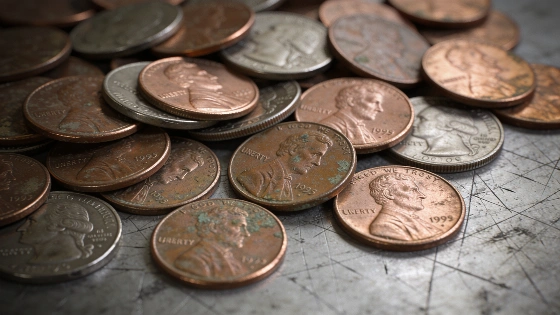
For collectors, the penny isn't disappearing-it's changing roles. The bill keeps the cent as legal tender and lets the US Mint keep making one-cent coins for collector sets. The Lincoln cent, in circulation since 1909, will become a collector's item instead of a coin for daily change. The Federal Reserve will keep accepting and recirculating existing pennies as long as they're available, so the transition will be gradual, not sudden.
Penny Production Ends, Cash Rounding Starts
The main reason for ending the penny is cost. Treasury data shows it now costs 3.69 cents to make a single penny, up from 1.3 cents a decade ago. In 2024, the Mint made about 3.2 billion pennies-more than half of all circulating coins-at a loss. Stopping production is expected to save about $56 million a year in material costs, part of a broader push to cut waste in currency production. The Federal Reserve has repeatedly called for more efficient cash management in its policy statements.
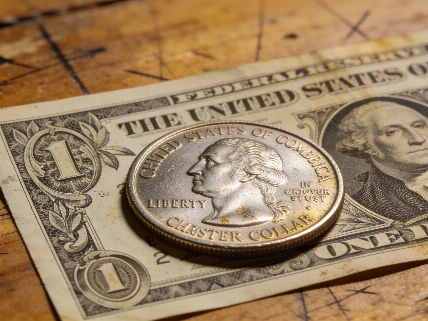
On November 12, 2025, the Mint held a ceremony in Philadelphia to strike the last circulating cent. But the legal change lagged behind. The Common Cents Act, passed by the House on September 14, 2026, would make the end of penny production official and set federal rules for rounding cash transactions. Under the bill, cash totals ending in 1, 2, 6, or 7 cents round down to the nearest five cents, while those ending in 3, 4, 8, or 9 cents round up. The rule applies only to the final cash total, not to individual prices, and does not affect electronic payments, which remain exact. This system is similar to what Canada and Australia use, where studies have shown no significant impact on inflation after the change.
The bill also includes consumer protections. Businesses can round in the customer's favor, and employers must round up when paying cash wages. Existing pennies stay legal tender, and banks and the Federal Reserve will keep accepting and recirculating them as long as they last. Retail groups have called for a single federal rounding rule to avoid confusion and give retailers a clear standard, which matches the Federal Reserve's goal of keeping cash handling consistent nationwide (RILA).
From Chain Cent to Collector's Coin
The US cent dates back to 1793, when the first Chain Cent was struck-a large copper coin much bigger than today's quarter. Over the years, the cent has changed size, metal, and design, from the Indian Head to the Lincoln portrait in 1909 and the Union Shield reverse in 2010. But its buying power has faded, and its use in daily life has dropped as inflation and digital payments have taken over. Federal Reserve reports show cash now makes up less than 30% of retail transactions in the US, a pattern seen in other major economies as well.
Even as the penny leaves cash registers, the Mint will keep making one-cent coins for collectors. In 2026, the Semiquincentennial Lincoln cent, marked with the dual date 1776 ~ 2026, will appear in annual collector sets. The cent's legal-tender status remains, so billions of pennies in circulation and private hands keep their face value. The Mint's approach to preserving old coinage tools is similar to how other countries have handled obsolete minting equipment, sometimes letting collectors own a piece of monetary history (Money Atlas).
Nickel Composition and Broader Impact
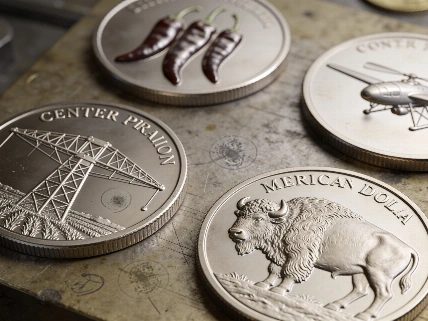
The bill also allows for possible changes to the nickel. Right now, nickels are made of 75% copper and 25% nickel, weighing 5 grams. The Treasury can test a new version with a zinc core and nickel outer layer if it saves money and works in vending machines. Any change would create a new subtype for collectors and mark a new chapter in the nickel's history, much like the 1943 steel cent or the 1982 copper-plated zinc cent did for the penny. The Mint will work with the Federal Reserve and industry to make sure any new nickel works in coin-operated machines, following the kind of process used in the UK during its own coin changes.
Since not everyone pays electronically, the law requires the Federal Reserve to publish a plan within 90 days of enactment, covering penny orders, deposits, and any possible disruptions to coin distribution. Treasury must also study how penny shortages and cash rounding affect low-income, older, and unbanked Americans, and report to Congress if there are problems. Progress reports will follow at set intervals, with oversight from both Treasury and the Federal Reserve Board.
The bill is not law yet. The Senate still needs to act on H.R. 10167 or work out differences with its own version (S.1525) before it can go to the President. So, while the penny's practical end is here, headlines about its permanent abolition are a bit ahead of the facts. The process reflects the usual checks and balances of major currency changes, with input from both the central bank and Congress.
Facts and Figures
In 2024, the US Mint made about 3.2 billion pennies, or 57% of all circulating coins. Each penny cost 3.69 cents to produce, nearly three times its face value. Treasury expects to save $56 million a year by stopping penny production. The last circulating cent was struck on November 12, 2025, in Philadelphia. These numbers match the Mint's annual reports and the Federal Reserve's push to modernize currency operations.
What Happens to the Penny Now?
The penny isn't vanishing overnight. Billions remain in circulation, and they're still legal tender. The Mint will keep making special Lincoln cents for collectors, so the denomination survives in a new form. For cash payments, totals will be rounded under the new federal rules, while electronic payments stay exact. The nickel may also change, depending on future decisions about its composition. The Federal Reserve and Treasury will keep an eye on how these changes affect cash use and coin demand, as outlined in their policy documents.
The penny's story is a mix of economics, technology, and history. Congress isn't erasing the cent-it's redefining its role. From the Chain Cent of 1793 to a collector's coin in 2026, the penny shows how even the smallest denomination can outlast its usefulness, living on as a symbol and a collectible long after it leaves the cash drawer.
Cash rounding, as set out in the Common Cents Act, is meant to handle cash transactions without pennies. Instead of changing item prices, the system rounds the final cash total to the nearest five cents, aiming to keep things fair for both consumers and businesses. Electronic payments, including cards and mobile apps, are not affected and remain exact. Other countries that have dropped low-value coins have found that, with clear rules and protections, cash rounding works smoothly and doesn't disrupt pricing. Research from the Federal Reserve and the IMF shows that, when managed openly, these transitions don't cause inflation or affect exchange rates.