US stock futures and the US dollar gained ground as hopes for a Middle East agreement reduced oil price risks, while SpaceX and AMD earnings highlighted the impact of tech spending on market sentiment
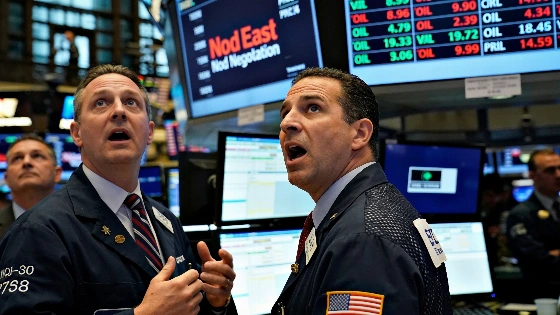
US stock futures and the US dollar moved higher in early trading as investors responded to signs of progress in Middle East negotiations, easing concerns about oil supply disruptions and potential inflationary pressures. According to Investing.com, optimism grew after US and Qatari officials indicated that a deal to reopen the Strait of Hormuz could be close, a development that would help stabilize global shipping and energy flows. The news led to a drop in oil prices and a decline in US Treasury yields, reflecting reduced expectations for further central bank rate hikes in response to energy-driven inflation.
By 03:09 ET (07:09 GMT), Dow futures were up 0.3%, S&P 500 futures rose 0.4%, and Nasdaq 100 futures gained 0.3%. The previous session had already seen Wall Street's main indices advance, supported by comments from US Treasury Secretary Scott Bessent and positive signals from Qatar's regional negotiators. Brent crude futures, the global oil benchmark, traded at $80.01 per barrel, up 0.8% from the previous close but still below recent highs, as markets weighed the likelihood of a lasting resolution to the Gulf conflict.
US President Donald Trump stated that the White House had held "very good" discussions with Iran, raising hopes that the months-long standoff in the Gulf could be nearing an end. Trump suggested that the Strait of Hormuz would be "open very soon," but also warned of consequences if Iran withdrew from the talks. Despite these developments, analysts cautioned that markets have seen several false starts during the conflict, and the durability of any agreement remains uncertain. The cycle of threats and de-escalations has made investors wary of overreacting to diplomatic headlines.
In the technology sector, SpaceX shares fell more than 7% in after-hours trading following the company's first earnings report since its public listing in June. Investors focused on SpaceX's negative free cash flow for the first half of the year, with capital expenditures reaching $18.36 billion in the second quarter alone-$15.8 billion of which was allocated to its artificial intelligence division. While SpaceX's satellite internet business, Starlink, saw revenue jump 66% to $4.3 billion on the back of subscriber growth, the company's overall cash burn raised questions about the sustainability of its investment strategy. CEO Elon Musk outlined ambitious plans for future revenue and hinted at launching data centers into orbit, but analysts noted that strong sales and EBITDA were offset by weak cash flow figures.
Advanced Micro Devices (AMD) also saw its shares decline in after-hours trading, following an announcement from Elon Musk that SpaceX would stop purchasing AMD processors in favor of Nvidia's Blackwell AI server architecture. This overshadowed AMD's otherwise strong quarterly results, which included $11.5 billion in revenue for the quarter ending June 27-slightly above analyst expectations and marking the fifth consecutive quarter of record chip sales. AMD's data center division reported all-time high revenue of $6.7 billion, now accounting for 58% of total sales compared to 42% a year earlier, underscoring the company's role in the ongoing artificial intelligence boom.
Elsewhere, Danish pharmaceutical company Novo Nordisk lowered its forecast for annual sales and operating profit declines, citing continued demand for its weight-loss drugs. However, shares fell after the oral version of its Wegovy pill missed sales estimates and a next-generation weight-loss drug produced disappointing trial results. In the second quarter, oral Wegovy sales reached 3.2 billion Danish kroner (about $500 million), below the 3.3 billion kroner expected by analysts, while the injectable version generated 19.48 billion kroner in sales. Novo Nordisk now expects adjusted sales and operating profit to fall by up to 6% at constant exchange rates in 2026, an improvement from its previous forecast of a 4% to 12% decline.
On the data front, the US dollar strengthened modestly against a basket of major currencies during the session, with the DXY index rising by 0.2% as of 07:09 GMT. Brent crude's move from just above $79 to $80.01 per barrel reflected shifting expectations around Middle East supply risks. Meanwhile, US Treasury yields fell in response to easing inflation fears, though the rally paused after comments from Kansas City Federal Reserve President Jeffrey Schmid, who argued that tighter policy may still be needed to bring inflation back to the central bank's 2% target.
While the immediate market reaction to Middle East diplomacy has been positive for the US dollar and risk assets, the situation remains fluid. Investors are watching for concrete details of any agreement and remain alert to the possibility of renewed tensions or setbacks. The interplay between geopolitical events, energy prices, and central bank policy continues to shape currency and asset market dynamics.
The Strait of Hormuz is one of the world's most critical maritime chokepoints, with a significant share of global oil exports passing through its narrow waters. Any disruption to shipping in the region can have rapid effects on oil prices, inflation expectations, and currency values, particularly for energy-importing economies. Central banks often monitor such developments closely, as energy-driven inflation can complicate monetary policy decisions and affect the outlook for interest rates and exchange rates. The recent episode highlights how geopolitical risks and diplomatic efforts can quickly alter the balance of risks facing currencies and global markets.