

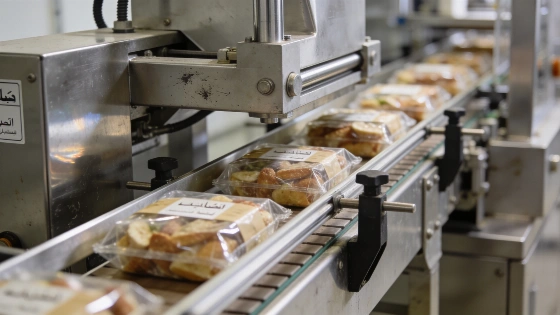
Food businesses in the UAE must cut sodium, sugar, and fat in packaged products by 2030. Fines can reach AED 500,000 for breaking the rules, and there are clear deadlines for changing recipes.
Food makers and importers in the UAE now face strict orders. They must cut sodium, sugar, and fat in a wide list of packaged foods or risk fines up to AED 500,000. Some could even face temporary closure. The Ministry of Health and Prevention has rolled out a binding national plan. The industry must meet tough new limits by the end of 2030. The goal is to fight rising obesity and diet-related disease. The UAE dirham (AED) stays pegged to the US dollar. This gives steady ground for importers and exporters. The Central Bank of the UAE keeps repeating this stance in its monetary policy updates.
The rules hit more than just local producers. Any business that makes, imports, distributes, or sells the targeted foods must follow them. This includes companies in free zones. Only one group is exempt: products made or brought in just for export or re-export, as long as they never enter the UAE market. This clear line matters for global firms. Food prices worldwide are still jumpy. Central banks like the Federal Reserve and the European Central Bank keep a close eye on inflation in their own economies.
Phased deadlines and product groups
The new rules split products into two main groups. Each group has its own timeline. The first group covers fermented bread, flat bread, sweetened milk drinks, flavored yogurts, and salty snacks. Companies have just nine months from the start date to meet the first set of limits. For example, fermented bread must not go over 444 mg sodium, 6 g sugars, and 8.4 g fat per 100 g in the first phase. By 2030, the cap tightens to 370 mg sodium, 5 g sugars, and 7 g fat. Flat bread faces similar cuts. Sweetened milk drinks and yogurts must also drop sugar in two steps.
Salty snacks are on the list. Salted biscuits, nuts, seeds, pretzels, and snacks made from potatoes, vegetables, or grains all face step-by-step sodium cuts. The second group is mostly processed cheeses. These get a longer window-two years and three months for the first phase. But they must still hit the final targets by 2030. For example, spreadable processed cheese must drop from 864 mg sodium per 100 g in the first phase to 720 mg by the end.
Enforcement and penalties
Officials will not just hope for the best. The Ministry and health agencies will check businesses. They will ask for technical data and product labels to prove recipes have changed. If a company breaks the rules, penalties start with warnings. Fines range from AED 5,000 up to AED 500,000. Some may face closure for up to six months or even lose their license. The size of the penalty depends on how serious and repeated the violation is. This tough approach matches the UAE's wider regulatory style. Groups like the International Monetary Fund (IMF) watch these moves for their effect on business confidence and foreign investment.
There is a short grace period for old stock. Products made or imported before the rules kick in can be sold for up to one year or until they expire, whichever comes first. After that, non-compliant products are banned. Companies that face big technical hurdles-like needing to cut a target ingredient by more than 20%-can ask for a temporary exemption. But they must still cut at least 20% in the first phase and meet all final limits by 2030. No one gets more time after 2030. That is final.
What the numbers say
The phased plan is exact. Salted biscuits must cut sodium from 696 mg per 100 g in the first phase to 580 mg by 2030. Salted nuts and seeds must drop from 336 mg to 280 mg. Pretzels go from 912 mg to 760 mg. Extruded and chip snacks must cut sodium from 564 mg to 470 mg. Sweetened milk drinks must lower sugar from 9.6 g to 8 g per 100 g. Flavored yogurts must drop from 12 g to 10 g. These are not suggestions. They are hard limits. The deadlines are set.
Processed cheese has its own numbers. Spreadable types must stay under 864 mg sodium per 100 g in the first phase, then 720 mg by 2030. Other processed cheeses must move from 1200 mg to 1000 mg. The message is clear. Reductions must be steady and measurable. No delays allowed.
Industry impact and regulatory context
These rules force food businesses to change recipes, supply chains, and labels. The rules cover every step-making, packing, storing, moving, and selling. Health authorities at both federal and local levels will work together. They will share data but keep privacy laws in mind. The Ministry of Health and Prevention will issue more detailed rules as needed. The Cabinet will approve the final list of violations and penalties.
For shoppers in the UAE, these rules mean packaged foods will slowly get healthier. But familiar products may taste or feel different as recipes change. Companies that do not adapt risk big fines or being shut out of the market. This push matches trends in the region. Recent coverage of healthcare incentives in Egypt's banking sector shows a similar direction.
The UAE's new food standards are bold, but not alone. Many countries have set phased targets for salt, sugar, and fat in processed foods as part of public health plans. The UAE stands out for its tough enforcement, clear deadlines, and big fines. The Central Bank of the UAE's steady monetary policy, along with the IMF's regular Article IV reviews, gives a stable backdrop for both local and foreign investors.
Changing food recipes is not simple. Cutting sodium, sugar, or fat can change taste, shelf life, texture, and whether people will buy the product. Makers often need new tech, new ingredients, and lots of testing to keep food safe and appealing. Regulators usually give phased deadlines so businesses can adjust. But in the UAE, the final targets are firm. Success depends on strict checks, open monitoring, and clear talks with both industry and shoppers.