
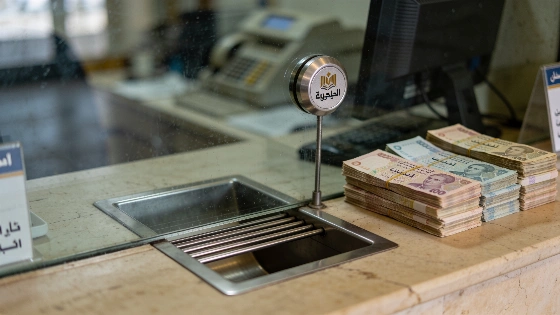
The UAE dirham kept its value against the Egyptian pound on Friday, September 25, 2026. No changes appeared at leading Egyptian banks as the sector paused for the weekend.
Friday's banking pause in Egypt brought no surprises for anyone watching the UAE dirham. The rate against the Egyptian pound did not budge. For people sending money, planning trips, or handling business payments, nothing changed. The numbers stayed put. Earlier in the week, the AED/EGP rate had dipped to 13.97 for buying and 14.01 for selling, according to NileFM. By Friday, it bounced back to a range between 14.08 and 14.11. That's where it closed, as shown by NileFM, 23 September 2026.
This calm stands out. Other regional currencies saw sharper moves. The AED/EGP rate matters for importers, travelers, and anyone moving money between Egypt and the UAE. On September 25, 2026, the Central Bank of Egypt set the dirham's buying rate at 14.08 and selling at 14.11. Most banks matched these numbers. A few, like Bank of Alexandria and Bank Abu Dhabi First, offered a slightly lower buying rate of 14.05. Industrial Development Bank posted a selling rate of 14.14. Abu Dhabi Islamic Bank had the lowest buying rate at 13.99 and a selling rate of 14.02. Just days before, Businessmen EG reported even lower rates-13.9807 to buy, 14.0228 to sell. That shows how much rates moved inside the week. See Businessmen EG, 23 September 2026 for details.
Bank rates barely move
Egypt's biggest banks kept the spread between buying and selling rates for the dirham tight. The gap was usually just 0.03 pounds. That's a slim margin. It points to low volatility and quiet trading, likely because banks were closed for the weekend. The National Bank of Egypt and Banque Misr both set buying at 14.07 and selling at 14.11. Commercial International Bank (CIB) did the same. Egyptian Gulf Bank, Housing and Development Bank, and Al Baraka Bank followed suit. The pattern was clear. The Central Bank's reference rates set the tone. Banks tweaked their numbers only a little, based on how much cash was moving between them and their own risk plans.
Some banks, like Suez Canal Bank and Al Ahli Kuwaiti Bank, posted buying rates at 14.06 and 14.05. Their selling rates held at 14.10 or 14.11. These small differences matter for big deals. For most people, they won't change much. The steady rates show that neither currency faces sudden pressure from new policies or outside shocks. Still, the US dollar stayed strong. The Central Bank of Egypt closed the week with the dollar at 51.95 to buy and 52.09 to sell. That's a reminder. The Egyptian pound reacts to global moves, especially what the Federal Reserve and other central banks decide.
What this means for travelers and businesses
This stretch of steady rates lines up with Egypt's banking weekend. When banks close, trading slows. Rates usually freeze. For travelers, people sending money home, or importers, this means any currency swaps or payments using the dirham and pound will go through at the same rates seen earlier in the week. No surprises. Other currencies, like the euro and US dollar, have seen more action. Recent market forecasts pointed to short-term swings, driven by central bank moves and global risk. The European Central Bank and International Monetary Fund both warned that tighter global money conditions hit emerging market currencies, including the EGP.
For now, the dirham and pound offer rare predictability. That could change fast. Any shift in Egypt's monetary policy, changes in UAE capital flows, or outside shocks could shake things up. But at this moment, narrow spreads and matching rates across banks give people a clear, if brief, window to plan cross-border payments. The Bank for International Settlements often notes that calm periods can end quickly if global risk appetite shifts or if the Federal Reserve signals a new direction.
How banks set exchange rates
Banks in Egypt set their foreign currency rates, like the dirham against the pound, using central bank reference rates, interbank market moves, and their own risk rules. The buying rate is what the bank pays to buy foreign currency from customers. The selling rate is what it charges to sell that currency. The difference-the spread-covers costs, risk, and profit. When markets are quiet, like on weekends or holidays, banks keep spreads tight and rates steady. They want to avoid sudden losses from big moves. Customers should always check the latest rates. Actual conversion costs may include extra fees beyond the posted spread. For official rates and policy updates, see the Central Bank of Egypt.