Long before coins and banknotes dominated, bricks of tea served as a trusted medium of exchange across Asia. Their unique blend of utility and value still fascinates collectors and historians today
Walk into a currency collector's study and you might spot something odd. Not a coin. Not a note. A solid, blocky brick of tea. These compressed slabs once moved across Asia as money. They weren't just a novelty. In places where coins were rare or risky, tea bricks solved real problems. They could be split, traded, and even brewed. According to the Encyclopaedia Britannica and museum records, tea bricks worked as commodity money in steppe and border markets across Eurasia. Coins were often missing or too awkward for big deals. Tea bricks filled the gap.
Most coin collectors chase rare metals. Tea brick money tells a different story. In Siberia, Mongolia, and Tibet, people valued these bricks for more than buying power. They used them for medicine. They trusted them more than coins, which could lose value or get stolen. Ethnographic studies show tea bricks had two uses: trade and daily life. That made them easier to spend than metal coins in these regions.
The rise of tea as currency
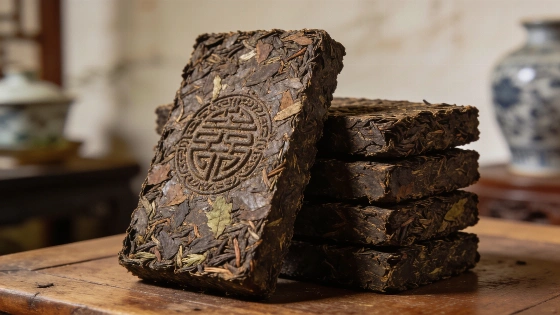
Tea's journey started in China. By the 8th century, it was already popular. Russian nobles wanted fine Chinese tea. Merchants faced a problem. Loose leaves broke on long trips. The answer was simple. Press the tea into bricks. These blocks, about the size of a big book, survived camel and yak caravans on the Silk Road. Records from the China National Tea Museum and UNESCO show pressed tea was key for moving goods over tough terrain.
But tea bricks didn't just travel. They became money. In markets at home and abroad, people traded bricks for silver, food, or wages. Often, a brick matched the value of 1 rupee. The old "tea-horse exchange" in southwest China-where tea was swapped for horses-helped build trade routes between China's heartland and its borders. Official museum sources on the Ancient Tea-Horse Road confirm this.
Tea bricks did more than coins. In Siberia, locals used them for coughs, colds, and lung problems. They also made a good drink. This double use made tea bricks a steady store of value. Metal coins could swing in price. The Bank for International Settlements (BIS) notes that commodity money often took hold where coins were unstable. Tea bricks fit that pattern.
Designs, variations, and collector appeal
China made most tea bricks, but they traveled far. Quality varied. The best bricks were dark brown and packed with pure tea leaves. No wood. No filler. Value depended on fermentation, color, weight, and how far the brick had traveled. Some brands, like Chibi Qingzhuan Tea (青砖茶), once held up to 90% of the "border tea" market. That's dominance, according to historical sources.
Many bricks carried inscriptions in several languages-Russian, Chinese, Mongolian, Manchurian. These marked the maker or factory. The back was scored for easy breaking. Today, these details help collectors spot real bricks and date them. The European Central Bank (ECB) points out in its numismatic bulletins that multilingual marks and standard scoring are key for authenticating old currency.
Before World War II, Chinese authorities bought up tea bricks in Tibet. They expected trouble ahead. Bricks from 1939 are now the most common originals at auction. Their smell and quality set them apart from later copies. Modern bricks, made from 1975 to 1985 with old molds, are easy to find as novelties. But collectors want the real thing.
Market value and rarity
Original tea bricks with clear images and marks are rare. Bricks made for Russian trade, stamped in Russian, are especially prized. Some sell for hundreds of dollars. Most surviving bricks date to World War II. Even these disappear fast when collectors spot them. For a wider look at how old currencies are valued, the IMF Data Portal shows how commodity money shaped modern exchange rates.
Modern tea bricks in grocery stores are just for show. Collectors ignore them. Still, they remind us of a time when money could be brewed, traded, and drunk-all in one day. That's rare.
People who like odd money forms see tea bricks as part of a bigger story. They sit alongside the giant stone wheels of Yap and the carved hobo nickels that draw crowds at auctions, as reported earlier.
How tea bricks were valued and used
Most early tea bricks came from China. Caravans hauled them to nearby lands. Their worth depended on what was inside-how much leaf, how much wood, how dark, how fermented. Distance from the source and market access mattered too. The best bricks were dark and pure. Inscriptions in many languages told buyers where the brick came from. Scoring on the back let traders break off exact pieces for deals or drinks.
Tea bricks weren't just money. They were useful. People drank them and used them for medicine. That gave them a value coins couldn't match in some places. This mix of use and trust kept tea bricks in trade long after coins and notes took over elsewhere. The Federal Reserve's historical research shows that moving from commodity money to paper money often depended on how much people trusted the old commodity. Tea bricks prove the point.
Tea brick money shows how currency systems adapt to local needs. The era of tea as money is over. But collectors and historians still chase these bricks. Their appeal is simple. They connect trade, culture, and daily life. Few other forms of money do that.
Tea bricks offered something special. They were both money and a drink. That set them apart from coins and notes. For collectors, tea brick money is more than a relic. It's a glimpse into the clever ways people solved problems of trade and trust. Today, they mostly sit in museums and private collections, as leading museum records and educational materials on tea history confirm.