China is on pace for record gold imports this year, while silver prices test the sixty dollar mark. Central bank buying, shifting demand, and new rules are changing the bullion market.
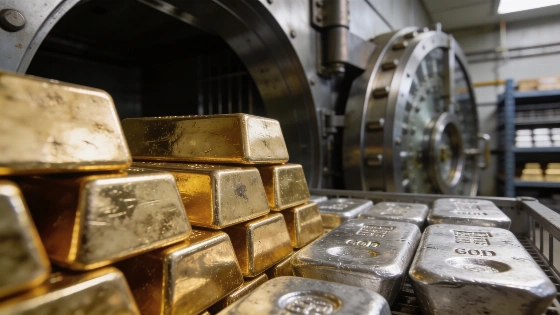
Spot gold and silver both dropped sharply at the start of the week. But the real story runs deeper than a single day's price swing. China's demand for physical gold keeps rising, even as global prices stay high and silver faces a tough test near sixty dollars. The flow of bullion out of vaults and across borders is shifting. China is at the center of it.
By midday Monday, spot gold traded near 4,165 US dollars per ounce. That's down about 2.8 percent for the session. Silver sat at 61.29 dollars, off roughly 4.5 percent. Both metals felt the hit from a stronger US dollar and higher Treasury yields. The US Dollar Index moved back to around 101. The 10-year Treasury yield climbed to 5.2 percent. These moves make it costlier to hold gold and silver, which pay no interest. Investors often react fast. The Federal Reserve's latest policy has kept real yields high. That puts more pressure on non-yielding assets like gold and silver.
China's gold buying breaks records
China imported over 1,100 tonnes of gold from January to August 2026. Official customs data puts the total at 1,141.8 tonnes, worth 158.8 billion US dollars. This is the strongest eight-month stretch for Chinese gold imports since records began in 2017. August alone set a new monthly peak, pushing total imports above 1,100 tonnes according to VnExpress International. If this pace holds, China could bring in up to 1,700 tonnes by year-end. That would set a new decade high. China's role in global bullion flows keeps growing.
The People's Bank of China has now bought gold for 22 months in a row. In August 2026, it added 20.2 tonnes-the biggest monthly purchase since October 2023. After this, China's official gold reserves reached about 2,387 tonnes. The value of these reserves jumped from 306.35 billion US dollars at July's end to 350.08 billion by August's close. The State Administration of Foreign Exchange called this the largest monthly increase in nearly three years. The central bank is focused on diversifying reserves and managing risk. Official buying has more than made up for weaker jewelry demand, as reported by Reuters and Kitco News. Even with high prices and slow consumer sales, central bank demand keeps gold moving.
Hong Kong remains a main route for China's gold imports. In August 2026, net imports through Hong Kong rose to 58.491 tonnes from 56.193 tonnes in July. Total imports via the hub reached 77.137 tonnes. That's a steady month-on-month climb as reported by The Standard Hong Kong. These flows have stayed strong despite high prices. Investment demand is holding up, even as China's jewelry sector faces weak sales and rising costs.
Other countries shift bullion flows
China is not the only country changing the bullion map. Australia produced 303 tonnes of gold in its 2025-26 fiscal year. That keeps a ten-year trend of annual output near 300 tonnes. High prices have helped both big mines and smaller players. In Indonesia, the government wants to bring privately held gold-about 1,800 tonnes-into the formal financial system. The goal is to attract around 360 tonnes into bullion banking and related products. This would turn household gold into deposits and collateral. Indonesia's state-backed bullion-banking system already manages over 150 tonnes. The push to mobilize private gold is growing.
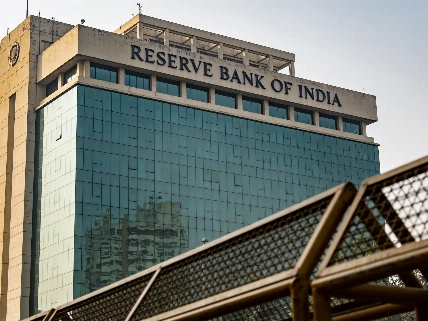
India tells a different story. The 2026 monsoon brought about 15 percent less rain than normal. That threatens crop yields and rural incomes. Rural households drive most of India's gold demand. Weaker farm income could mean fewer gold purchases during the key festival and wedding season. The World Gold Council has found that better rainfall leads to higher gold buying. India's gold market is tied closely to agriculture. The Reserve Bank of India is watching these trends. Gold imports and rural demand affect the country's current account and foreign reserves.
Silver faces a key test
Silver's technical setup is now in focus. Earlier this year, silver traded above 70 US dollars. Now it's back near 60-a level Heraeus calls a dividing line. If silver rallies back toward 70, it could mean the metal has found a solid floor. But if it drops below 60 and stays there, more weakness could follow. The Bank for International Settlements has noted that silver's swings often track changes in global liquidity and real yields. Central bank moves can amplify these shifts.
Physical demand for silver is mixed. India imported 15.5 million ounces in August. That's a rebound after several slow months. But total imports through August are still well below last year's pace. Tighter import rules and high prices have kept some buyers away. For bullion investors, the contrast is clear. Gold keeps drawing huge flows from China, even at high prices. Silver sits just above a level traders see as critical for its next move.
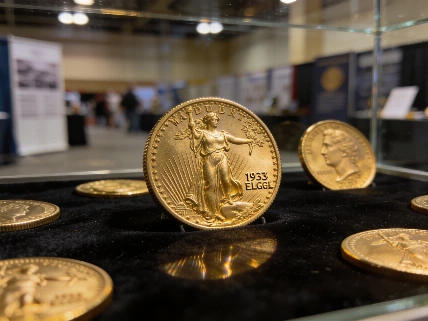
These trends echo what's happening in other precious metals. Physical flows and investment demand can split from short-term price moves. As reported earlier, rising silver prices have already forced European mints to rethink collector coins. Bullion market shifts ripple through the wider coin and currency world.
Central banks and market impact
The People's Bank of China stands out among central banks for its steady gold buying. The August purchase of 20.2 tonnes was the biggest since late 2023. The 22-month streak shows a clear plan to build reserves. Australia's steady output and Indonesia's push to formalize private gold show how national policies shape the bullion market. The European Central Bank and International Monetary Fund are tracking these changes as part of their global reserve and stability work.
India's gold demand is still tied to farm and regulatory factors. The link between monsoon rains and rural gold buying is well known. This year's shortfall could slow demand during key buying times. On the silver side, India's import rebound in August has not yet reversed the broader slowdown from tighter rules and high prices.
For investors and policymakers, the split between gold and silver is a reminder. Physical flows, central bank demand, and local market forces can outweigh short-term price moves. Silver's next big move may depend as much on rules and physical demand as on technical charts or global trends.
Physical gold and silver markets are shaped by a mix of investment flows, central bank policy, consumer demand, and rules. China's record gold imports and central bank buying have kept demand strong, even with high prices. Silver's fate now hangs on whether it can hold the 60 dollar line as conditions tighten. The real drivers of the bullion market rarely show up in daily price charts. But they matter for long-term direction and for the plans of both governments and private holders.
Central banks play a special role in the bullion market. They buy and hold gold as a last resort. Their reasons include diversifying reserves, managing risk, and sometimes broader policy goals. Unlike private investors, central banks can keep buying for years. This shapes both market mood and physical supply. The People's Bank of China's long buying streak shows how official demand can keep going even when consumer demand slows. Central bank moves can set the tone for the whole market.