Kagin's will auction the Candace D. Kagin Collection-more than 600 hand-carved hobo nickels, including rare works by Bo Hughes and Bert Wiegand-starting September 28, 2026.
Five cents once bought a meal or a newspaper. In 2026, it could buy a piece of American numismatic history-if you can outbid the rest. Kagin's Auctions is set to sell the Candace D. Kagin Collection, a group of more than 600 hobo nickels, in a series of online auctions starting September 28. For collectors, this is a big moment. It's the largest and most complete group of hobo nickels ever offered, with over 100 carvings by the best-known artists in the field: George Washington "Bo" Hughes and Bertram "Bert" Wiegand. The sale will run as a special online session during Kagin's autumn numismatic event. Digital bidding is now the norm in collectibles, a shift seen in recent central bank gold auctions and sovereign bond sales by the U.S. Treasury and Bank of England.
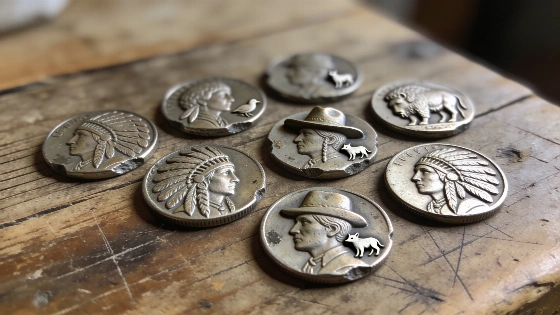
A hobo nickel starts as a Buffalo nickel, then gets transformed by hand into a tiny bas-relief sculpture. Artists-often unnamed-used simple tools to carve new faces, hats, animals, and scenes onto the coin. The result is part U.S. Mint coin, part folk art, and part personal story. The Kagin Collection covers both classic and modern examples: cameo portraits, two-sided designs, and pictorial scenes from turtles to boxcars. Standouts include a Bo Hughes self-portrait, a reverse-carved "Hobo Mount Rushmore," and several portraits of Monique, a recurring figure in Bo's work. The Buffalo nickel's large field and high relief, introduced in 1913, made it perfect for this kind of art. Numismatic experts and auction catalogs from leading platforms have confirmed this.
From convention find to record-breaking collection
Candace Kagin first discovered hobo nickels at the 2005 Florida United Numismatists convention. She saw a hand-carved Buffalo nickel and got hooked. At an Original Hobo Nickel Society (OHNS) auction, she bought a carving of Monique, paying a world-record price at the time. Monique was more than just a subject-she was a real woman from Bo Hughes's life, and he carved her image several times. The market for this kind of folk art has grown alongside other alternative assets. The International Monetary Fund (IMF) and the Federal Reserve have both tracked rising interest in tangible collectibles during times of currency swings and inflation worries.
The collection grew fast in May 2012. Kagin bought a 218-piece group built by Larry Frost for $170,000 at the American Numismatic Association National Money Show in Denver. Former ANA President H. Robert Campbell brokered the deal. The Frost Collection had more than 60 Bo Hughes carvings, four by Bert Wiegand, and pieces by classic carvers known by collector nicknames like "Peanut Ear" and "Scruffy Beard." It also included old carving and punch tools, possibly used by Bo or Bert. Over the next decade, Kagin kept adding rare and important pieces, eventually topping 600 items. This growth matches the rising prices seen in rare coin indexes, which have sometimes beaten stock market returns during periods of U.S. dollar weakness, as shown in Federal Reserve monetary policy reports.
Origins and evolution of the hobo nickel
People altered coins long before the Buffalo nickel, but the series launched in 1913 by James Earle Fraser gave artists a perfect canvas. The big Native American profile and high relief allowed for bold changes. The bison on the back could be turned into all sorts of animals or scenes. Early carvers used whatever they had-awls, nails, knives, scrap metal-to make small sculptures, not just simple engravings. The best hobo nickels aren't just scratched coins. They're reimagined objects, with the original design as the base for new art. This kind of creativity fits into a bigger story, as the U.S. dollar's buying power and coin makeup have shifted with inflation cycles and monetary policy moves tracked by the Consumer Price Index (CPI) and the Federal Open Market Committee (FOMC).
The tradition took off during the Great Depression. Millions of Americans rode the rails looking for work. Buffalo nickels were cheap, easy to carry, and had enough space for carving. Some artists traded their work for food or a place to sleep. Others carved for fun or to sell. Despite the name, not every carved nickel was made by a railroad hobo, and many artists are still unknown. Today, "hobo nickel" means the whole art form, covering both modern and historic pieces. The tradition's survival mirrors the adaptability of U.S. currency, which has gone through deflation, leaving the gold standard, and, more recently, quantitative easing by the Federal Reserve and other central banks.
Masters of the medium and auction details
Two artists stand out: Bert Wiegand, who started carving early in the Buffalo nickel era, and his student Bo Hughes, who began in the late 1910s and made far more pieces. Bo's subjects ranged from bearded men to animals and self-portraits, often based on people he knew. The Kagin Collection has major works from both, including several Monique portraits that mix biography and folk art. The auction, set as a special online session in Kagin's autumn schedule, will run entirely online. This matches the move to digital trading in collectibles and the shift to electronic platforms in financial markets, as seen in recent sovereign bond auctions by the U.S. Treasury and Bank of England.
Kagin's will sell the collection in three online auctions. The first session, on September 28, 2026, will offer about 200 lots. The catalog covers classic and modern carvings, two-sided designs, tokens, and related items. Five percent of the hammer price will go to the Original Hobo Nickel Society. After the auctions, Kagin's plans to publish a full reference book on the collection, including pieces previously sold by Stack's Bowers Galleries in 2025. The book is due in 2027 and will serve as a research tool for collectors and historians.
Numbers and context
The Candace D. Kagin Collection has more than 600 hobo nickels, with over 100 by Bo Hughes and Bert Wiegand. The Frost Collection, bought in 2012 for $170,000, added 218 pieces, including more than 60 by Bo and four by Bert. The Buffalo nickel, first minted in 1913, stayed in circulation until 1938 and is the base for most hobo nickels. The first auction session will have about 200 lots, with 5% of proceeds going to the OHNS. The online format and global reach show how numismatic markets have gone international, much like the growth in foreign exchange trading volumes reported by the Bank for International Settlements (BIS), which saw daily global FX turnover top $7.5 trillion in 2022.
For collectors and historians, the Kagin sale stands with other major numismatic events, such as the record-setting Double Eagle auctions reported earlier, in shaping the market for rare and culturally important coins.
Why hobo nickels matter
Most coin collecting is about preservation-sharp details, untouched surfaces, little wear. Hobo nickels flip that idea. Their value comes from being changed: carved, punched, and reshaped into something new. In most parts of numismatics, this would ruin a coin's value. Here, it creates it. Each hobo nickel is both official U.S. currency and a personal work of art, mixing public artifact with private story. The Kagin Collection, now set to be sold after two decades of careful building, gives a rare look at this meeting point of money, art, and American history.
Hobo nickels have a unique place in the coin world. Unlike commemorative issues or official mint products, these coins are defined by their transformation. The Buffalo nickel's bold relief and big portrait made it perfect for carving. Artists could change the coin a lot but still leave enough of the original to keep it recognizable. This mix of destruction and creation is at the heart of hobo nickels' appeal. They aren't just collectibles-they're proof of adaptation, resourcefulness, and personal expression within the limits of official currency.