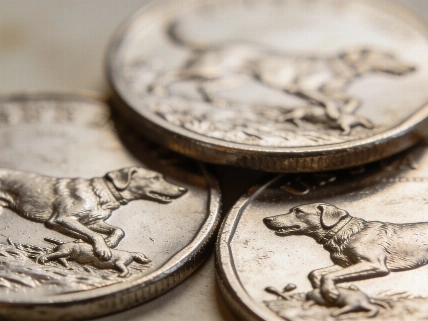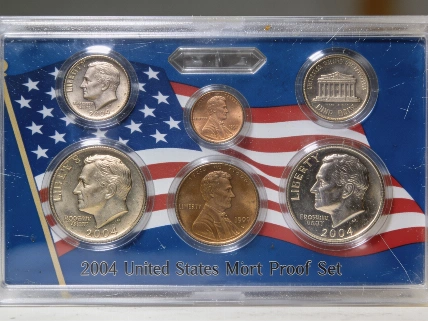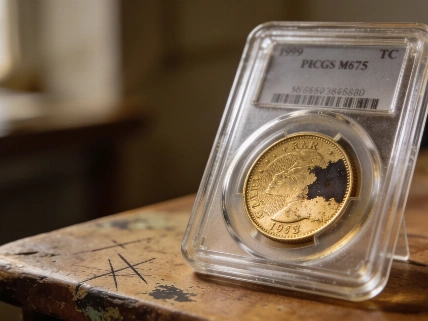
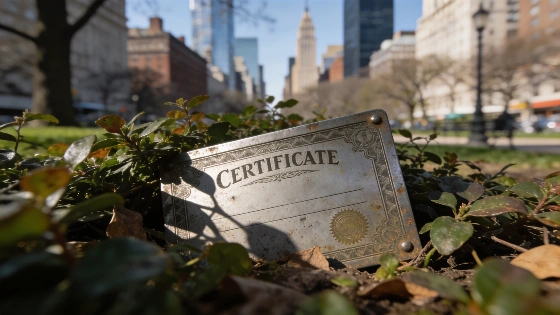
Stack's Bowers Galleries will hide $40,000 in numismatic prizes across Miami, Philadelphia, San Francisco, and Boston this October, offering treasure hunters five chances in each city to claim certificates worth up to $3,500.
Stack's Bowers is about to turn four American cities into hunting grounds. This October, the auction house will stash $10,000 in prize certificates in each city. One certificate goes out each day for five days straight. Each one can be swapped for a numismatic prize. Some are worth $300. Others top $3,500. The move comes as collectible currency prices climb and more people look for solid assets while the Federal Reserve keeps shifting its monetary policy.
This isn't a typical coin show. Stack's Bowers is taking numismatics to the streets. Hunters will need to crack clues tied to each city's money history and old treasure tales. Public parks and city corners become the game board. Anyone can join. Daily clues drop through Stack's Bowers' website and social media. No entry fee. Registration and clue access run through the official site. The company says this open format lines up with U.S. Securities and Exchange Commission rules on fair play in the collectibles market.
City-by-city breakdown
Miami starts things off from October 6 to 10. Florida's shipwreck stories and lost gold set the scene. Each day, a new certificate will be hidden somewhere in the city. Clues will nod to Miami's coastal legends. Next up is Philadelphia, October 13 to 17. The city where the US Mint began in 1792. Here, clues will focus on the roots of American coinage. Hunters will need to know their currency history. The US Mint's founding in Philadelphia marked the start of the dollar as America's official money. That move helped the dollar become a global reserve currency, a status tracked by the International Monetary Fund.
San Francisco takes its turn October 20 to 24. The Gold Rush is the theme. Modern treasure seekers will chase hidden value, no pickaxe needed. Boston wraps up the hunt from October 27 to 31. Its old streets and parks will hold the last round of clues. Boston's early banks and its role in shaping US finance give the final stage extra weight.
How the hunt works
Each city gets five certificates, one per day. Every certificate can be traded for a numismatic prize. Prize values range from $300 to over $3,500. Both seasoned collectors and first-timers have a shot. Sign up for updates and daily clues on the Stack's Bowers website. Miss a day? No problem. There are more chances to win. The setup is meant to be open, much like recent central bank digital currency pilots that aim to widen access while keeping oversight tight. The Bank for International Settlements keeps an eye on these trends.
The numismatic market has seen a jump in public interest. Interactive events and big auctions are drawing crowds. Recent reports show rare coin auctions breaking the $1 million mark. Stack's Bowers is riding this wave. The treasure hunt gives people a hands-on way to connect with currency history. Even as the Federal Reserve's policy rate stays above 5% in 2024, rare coins keep attracting buyers. Inflation and Treasury yields push more investors toward alternative assets.
Prizes and practical details
The total prize pool is $40,000, split evenly across the four cities. Each certificate is worth between $300 and $3,500. All can be redeemed for coins or banknotes picked by Stack's Bowers. Five certificates per city, five days per city. More chances for everyone. The structure encourages people to keep coming back. Rare coins have outperformed some traditional investments, especially when the dollar swings and foreign exchange rates shift. The ECB reference exchange rates track these moves.
Clues are tailored to each city. Miami's will mention shipwrecks and sunken treasure. Philadelphia's will lean on minting history. San Francisco's will echo the Gold Rush. Boston's will tie in its revolutionary roots. All details, including how to sign up and get clues, are on the Stack's Bowers website.
Numismatic engagement beyond the auction room
This event changes how coin firms reach the public. No more just auction halls or trade shows. Stack's Bowers is betting that real-world hunts will draw new faces and spark more interest in coins and banknotes. The format-four cities, daily clues, a range of prizes-aims to open up collecting to more people. The Federal Reserve has pushed for more financial literacy and inclusion. This hunt fits that trend.
Treasure hunts for coins aren't new. But this one is bigger and more structured. Big prizes and local history set it apart. Stack's Bowers is mixing old-school collecting with new ways to get people involved. For collectors and the curious, October brings a rare shot to chase the stories behind America's money.
Numismatic prizes get their value from rarity, history, and condition. In this hunt, the certificates link the public to the world of coin collecting. It's not like a regular auction where the highest bid wins. Here, skill, local smarts, and luck all matter. That can pull in people who might never go to a coin show. As the collectibles market shifts, events like this could change how people see and value currency history.