
Coin collectors often encounter coins labeled as cleaned or altered by grading services. Understanding how these designations affect value and resale prospects is essential before making a purchase or seeking authentication.
Collectors see the warning right away. A rare coin marked as cleaned or altered by a grading service loses value fast. Some buyers try to fill a gap in their collection with these cheaper coins. The trade-off is rarely simple. The market treats coins with cleaning, tooling, or other changes with suspicion. Resale can be tough. In the United States, federal law is clear. Under 18 U.S.C. §331, it is illegal to fraudulently alter or deface coins in circulation. The U.S. Department of the Treasury and the Federal Reserve System enforce these rules. This law shapes how intentional coin tampering is judged.
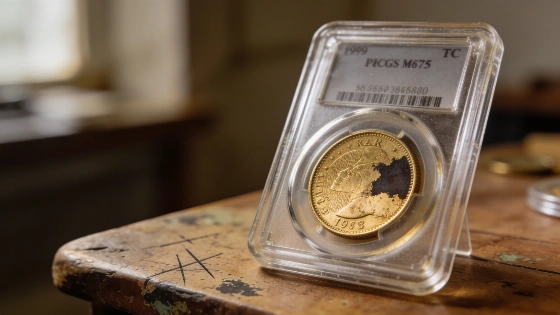
Certification services like Paper Money Guaranty (PMG) and Professional Coin Grading Service (PCGS) use special terms for coins and notes that have been cleaned, tooled, or changed. Instead of a standard grade, they might label a coin "genuine, cleaned" or "AU Detail." This tells collectors the coin is real but does not meet the standards for a full numeric grade. PCGS separates "Cleaning" and "Questionable Color" as different problem codes. These codes point to artificial toning or chemical treatments that can hurt value and make selling harder. Details are explained in PCGS grading terminology.
Understanding net grading and detail designations
Net grading comes into play when a coin has been cleaned, tooled, smoothed, or damaged. The "detail" grade shows what the coin's grade would have been if it had not been altered. There is no set formula for how much value is lost after net grading. Eye appeal matters most. Some cleaned coins still look good. Others show harsh cleaning, odd colors, or scratches. The Federal Reserve watches over the integrity of U.S. currency in circulation. It does not set prices for altered coins in the collector market. Prices are set by buyers, sellers, and auction results.
Copper coins often show re-toning after cleaning. The new color rarely matches the natural look of an untouched coin. Silver coins can show fake toning too. Experienced collectors and dealers spot these signs. There is no fixed discount for cleaned coins. Buyers must balance their budget with the risk of poor resale. Sometimes, a cleaned coin is the only affordable way to get a rare type. But coins that have never been cleaned or altered are more likely to go up in value. Advanced collectors prefer them. The European Central Bank (ECB) has noted in its monthly statistical bulletin that demand for coins with original surfaces stays strong. This is especially true during inflation or currency swings. Collectors see these coins as safer stores of value.
Beyond cleaning: Other reasons for net grading
Cleaning is not the only reason for a net grade. Dipping, smoothing, retooling, or damage can all lead to a detail designation from grading services. Sometimes, the service will not encapsulate the coin at all. Other times, the problem is listed on the label inside the holder. This system gives buyers and sellers more information. But it also means coins with any kind of change are set apart from those with original surfaces. In professional numismatics, cleaning or tooling almost always leads to a "details" label. The coin is real, but it does not get a full numeric grade. PCGS and HeritageCoin educational materials explain this approach.
Short snorters-banknotes signed by several people, often during wartime-bring their own problems. PMG and PCGS will grade and encapsulate these notes. They add labels like "Short Snorter" or "With Signatures" if they can verify the context or signatures. But they do not guarantee the autographs themselves are real. Collectors who want to confirm a famous signature must use third-party autograph experts. Beckett Authentication Service, James Spence Authentication, and PSA Collectibles Authentication and Grading Service are some options.
Certification and authentication limits
Grading services can confirm a coin or note's physical traits and history. But they do not check every part of an item's story. PMG might note the history of a short snorter. It will not guarantee the signatures. This split means collectors need more than one certification if they want both the note and the autographs fully checked.
There is no standard value cut for cleaned or altered coins. Buyers and sellers must negotiate each time. The market looks at eye appeal, rarity, and how much the coin was changed. As reported earlier, even a single grade difference can change a coin's value and collector trust for years. The Bank for International Settlements (BIS) has pointed out in its annual reports that collectibles, including rare coins, can react sharply to changes in global liquidity and exchange rates. This can make prices for altered coins swing even more.
Collectors face a choice. Some accept cleaned or net-graded coins to finish a set on a budget. Others wait for coins with original surfaces, even if they cost more. There is no universal pricing rule for altered coins. Every deal is different. The coin's details and the buyer's goals shape the price. Market data from HeritageCoin and MoneyMetals show that cleaning can leave tiny scratches, especially on silver coins. Experts can spot these marks. They can lower resale value for good.
How grading services communicate condition
Third-party grading services shape what collectors expect and how the market works. By clearly marking coins and notes that have been cleaned, tooled, or changed, they make things more transparent. They also make originality more valuable. The difference between a numeric grade and a detail label is not just technical. It affects how easy it is to sell, the price, and long-term value. The Bank of England (BoE) and other central banks stress the need for public trust in currency. This trust carries over to collectibles. Originality matters.
Collectors moving through the world of certified coins and notes need to know the grading language and what authentication can and cannot do. The market rewards coins that have not been changed. It punishes those that have. Still, some buyers are willing to take the risk. Grading standards keep changing. Collectors are getting smarter. Knowing how to read detail designations and net grades is now a must for anyone serious about building a collection.
Net grading is the system third-party certification services use for coins that have been altered, cleaned, or damaged. Instead of a standard numeric grade, the service gives a "detail" grade. This grade shows how well the coin was preserved before it was changed. This helps keep the market honest. But it also means coins with any kind of change are set apart from those with original surfaces. There is no set discount for cleaned or altered coins. Buyers and sellers must talk it out, looking at eye appeal, rarity, and how much the coin was changed. Collectors should know that certification can confirm authenticity and some features. It does not promise future value or guarantee autographs on items like short snorters are real. Knowing these limits is key for smart decisions in the coin market.