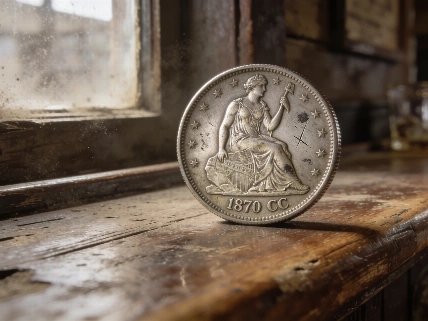
Stack's Bowers Galleries is stashing $40,000 worth of collectible coins in Miami, Philadelphia, San Francisco, and Boston this October. Collectors will have to crack clues and race to claim prizes worth up to $3,500 each.
Collectors will need sharp eyes and quick feet this October. Stack's Bowers Galleries is sending $40,000 in coin prizes into hiding across Miami, Philadelphia, San Francisco, and Boston. The usual auction room drama is gone. This time, the action moves to city streets. Each city gets five days of cryptic clues and hidden certificates. The chase is on.
Miami, Philadelphia, San Francisco, and Boston will each offer $10,000 in numismatic prizes. Individual rewards range from about $300 to $3,500. The rules are clear. Every day, Stack's Bowers posts a riddle on its main and local Instagram accounts. Find the secret spot. Be first. Snap a photo at the location, scan the QR code, and bring the proof to the local Stack's Bowers gallery. That's how you claim your prize. Participation is free. The process is open and verifiable. According to the Federal Reserve, trust and transparency matter in both numismatics and finance. Independent reporting confirms the event's structure. No hidden catches.
City themes and history
The hunt starts in Miami from October 6 to 10. Clues will tap into Florida's shipwreck tales and the lure of Spanish colonial coins found off its coast. Philadelphia takes over October 13 to 17. The city's legacy as the birthplace of the US Mint and the first federal coinage in 1793 sets the tone. San Francisco's turn comes October 20 to 24. The Gold Rush theme fits. In 1848, the city's population jumped from under 1,000 to about 25,000 in a year. Boston wraps up the event from October 27 to 31. Its colonial streets and deep history set the stage for the last $10,000 in prizes. These themes do more than entertain. They show how US currency has changed over time. They also reflect the regional differences that still shape the US economy, as seen in Federal Open Market Committee regional outlooks.
Clues will drop on dedicated Instagram accounts: @StacksBowers_Miami, @StacksBowers_Philly, @StacksBowers_SF, and @StacksBowers_Boston. The main channel will also post updates. Collectors can sign up on the official Treasure Hunt 2026 page for early hints. Social media is now a key tool for real-time clues. The Bank for International Settlements notes this shift toward digital engagement in its annual reports. The hunt blends old coins with new tech.
How the treasure hunt works
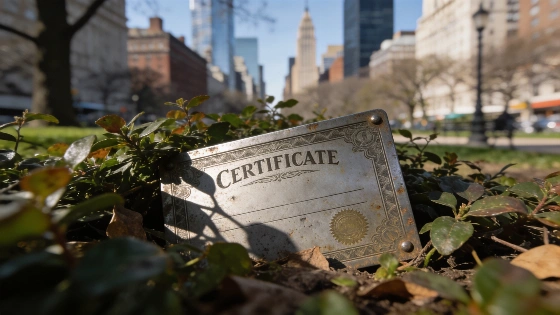
Each city gets five days. Each day, one prize certificate is hidden in a new spot. That means five chances to win per city. The clues test both local smarts and numismatic knowledge. Only the sharpest collectors will win. Find a certificate? Document it fast. Follow the steps to redeem before someone else does. The pace is quick. It's a race, not a stroll. This setup feels a lot like the foreign exchange market. Timing and information are everything. Recent Federal Reserve meeting minutes say the same.
Winners can keep their coins, consign them to a future auction, or take a cash buyback. Stack's Bowers gives options. Some want to collect. Others want cash. The company's approach brings the thrill of legendary coin finds into the present. Flexibility matters now more than ever. Investors weigh holding physical assets against selling them, especially as inflation and market swings hit. The US Consumer Price Index (CPI) tracks these shifts.
Stack's Bowers and the numismatic market
Stack's Bowers started in 1933. The firm has handled some of the biggest coin and currency collections in US history, including the D. Brent Pogue and Louis E. Eliasberg Sr. collections. Its galleries span New York, Boston, Miami, Philadelphia, and San Francisco. The company also has offices in Hong Kong, Copenhagen, Paris, and Vancouver. Auctions cover US, world, and ancient coins, plus paper money. Stack's Bowers partners with major numismatic conventions like the Whitman Expos and the Maastricht paper money shows. Its global reach matches the worldwide nature of currency markets. Central banks such as the European Central Bank (ECB) and the Bank of England (BoE) keep a close eye on exchange rates and capital flows.
In September 2026, Stack's Bowers was Main Sponsor and Official Auctioneer at the MIF Paper Money Fair in Maastricht. The company's recent work includes auctioning the L. E. Bruun Collection, a 20,000-piece Scandinavian cabinet insured for 500 million Danish kroner. It's called the most valuable international coin collection ever to hit the market. These high-value auctions show why currency stability and strong financial rules matter. The International Monetary Fund (IMF) stresses this in its global financial stability reports.
Facts and figures
The Treasure Hunt 2026 will hand out $40,000 in numismatic prizes across four cities. Each city gets $10,000 in collectibles over five days. Prizes start at about $300. The top prize is around $3,500. The hunt runs from October 6 in Miami to October 31 in Boston. Philadelphia and San Francisco fill the middle slots. Only one certificate is hidden per day in each city. You have to move fast. The total prize pool is small compared to the multi-billion-dollar daily turnover of the global foreign exchange market, as the BIS reports. But for collectors, it's a big chance. The event shows that physical currency still matters, even as the world goes digital.
For many, this is a rare shot at valuable coins outside the usual auction scene. Stack's Bowers' past auctions, like the elite coin display covered earlier, prove the lasting appeal and investment power of rare US currency. The numismatic market often reacts to big economic trends. When inflation or currency swings hit, demand for tangible assets rises. The Federal Reserve and the US Bureau of Labor Statistics track these moves.
Editorial perspective
Stack's Bowers is doing more than selling coins. It's bringing the thrill of discovery to the public. By mixing city history with digital clues, the company is opening numismatics to more people. The Treasure Hunt 2026 is not just a marketing push. It's a move to energize collectors, draw crowds to galleries, and remind everyone that coins are about adventure as much as value. For a field often seen as closed or academic, this event shows a new openness. The company is reaching out to new generations. This fits with bigger trends in financial education and inclusion, which central banks and regulators now push worldwide.
Numismatic treasure hunts like this one bring together history, place, and money. A coin's face value never changes, but its collectible worth can swing wildly based on rarity, story, and demand. Events that mix public hunts with history do more than promote collecting. They teach people about how currency has changed and the stories behind every coin. As rare coins go global, projects that link tradition and technology will shape how collectors and the public see physical money. The hunt is on.