
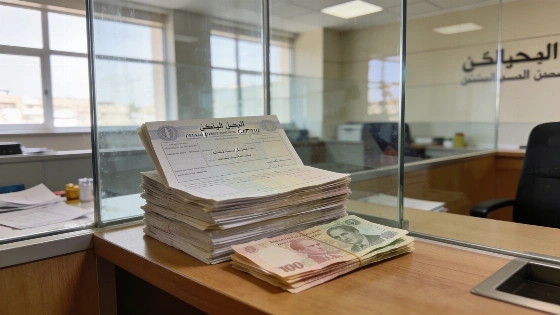
Emirates NBD Egypt has launched a fresh lineup of savings and deposit certificates in both Egyptian pounds and US dollars. The new products offer fixed and variable returns, flexible terms, and options for individuals and businesses looking for tailored deposit solutions.
Emirates NBD Egypt has added a new set of savings and deposit certificates to its shelves. These products target both individuals and businesses. The bank now offers fixed and variable-rate certificates in Egyptian pounds and US dollars. Terms stretch from three to eight years. Interest can be paid monthly or annually, depending on the product. Egypt's banks are fighting harder for deposits. Many have raised yields as monetary policy and inflation shift, according to Reuters and other market sources.
The standout is a variable-rate deposit certificate. It tracks market interest rates and currently pays up to 19.5% per year, with monthly payouts. Emirates NBD Egypt promoted this product in late September 2026. The rate moves automatically if the Central Bank of Egypt changes its policy rate. That gives savers some protection if rates jump. For those who want certainty, the bank also has fixed-rate certificates. The three-year fixed pays up to 18.5% per year if interest is paid annually, or 18.0% if paid monthly. The four-year fixed pays 13.5% per year. Minimum investment for the top three-year fixed is EGP 500,000. The bank is targeting both everyday savers and high-net-worth clients according to independent coverage.
Flexible terms and currency options
Customers can choose certificates in Egyptian pounds or US dollars. Minimum investments start at EGP 5,000 for local currency products and go up to EGP 500,000 for premium options. Dollar certificates require at least USD 5,000. The eight-year savings certificate has a floating rate set at 0.25 percentage points below the Central Bank of Egypt's policy rate. It pays interest monthly. The minimum deposit is EGP 5,000. The five-year fixed certificate pays 12.5% per year, also with monthly payouts. These choices suit both short-term savers and those willing to lock up funds for longer. There's something for everyone.
For those who prefer US dollar savings, the bank offers three- and five-year certificates. Fixed annual returns range from 2.60% to 3.10%, depending on the term and how often interest is paid. Interest can be paid monthly, quarterly, semi-annually, or annually. This gives depositors control over their cash flow. All certificates require a minimum holding period of six months before early redemption. There is no cap on how much can be invested. The bank's foreign-currency certificates meet ongoing demand for US dollar assets. The Egyptian pound's exchange rate remains volatile. The International Monetary Fund (IMF) and the Central Bank of Egypt keep a close eye on this trend.
Deposit certificates as collateral
Emirates NBD Egypt allows customers to use certificates as collateral for loans or credit cards, subject to its terms. This means depositors can get liquidity without breaking their certificates. It's a practical move for those managing cash flow or needing short-term financing. The bank also has a prepaid three-year deposit certificate. Here, interest is paid upfront at a total rate of 16.96% over the term. Customers get immediate access to returns if they lock in funds.
Variable-rate certificates are tied directly to the Central Bank of Egypt's policy rate. Returns move with monetary policy. The three-year variable-rate savings certificate pays a monthly return equal to the overnight deposit rate plus 0.5 percentage points. The three-year variable-rate deposit certificate pays a weekly return set at 0.2 percentage points below the official deposit rate. These products help depositors handle interest-rate swings. The Central Bank of Egypt has recently kept key rates unchanged while watching inflation and currency stability, as Reuters confirmed. Policy can shift fast.
Key figures and product details
The three-year fixed-rate savings certificate pays 18% per year with monthly interest or 18.5% per year with annual interest. Minimum deposit: EGP 500,000. The four-year fixed certificate pays 13.5% per year, with a minimum of EGP 100,000. The eight-year floating-rate certificate is set at 0.25 percentage points below the Central Bank of Egypt's policy rate. Minimum deposit: EGP 5,000. US dollar certificates require at least USD 5,000. Annual returns range from 2.60% to 3.10%, depending on term and payout frequency. Early redemption is not allowed before six months for any product. These rates are strong in Egypt's high-yield deposit market. Banks are reacting to tight liquidity and high inflation, as tracked by the Central Bank of Egypt and reported by global financial media. Competition is fierce.
Emirates NBD Egypt says the wide range of terms, currencies, and interest structures gives depositors more control. Certificates can be used as collateral for loans or credit cards. Interest can be paid monthly, quarterly, semi-annually, or annually, depending on the product. For full details, customers should check the bank's official website or look at regulatory updates from the Central Bank of Egypt. The central bank regularly publishes policy meeting minutes and monetary statistics. Information is easy to find.
Understanding fixed and variable returns
Fixed-rate certificates lock in a set return for the term. Market interest rate changes do not affect the payout. This suits depositors who want certainty and steady income. Variable-rate certificates move with the Central Bank of Egypt's policy rate. Depositors face both upside and downside risk as rates change. The choice depends on the depositor's view of future rates, risk appetite, and need for predictable cash flow. The Central Bank of Egypt's recent decision to hold rates steady, as Reuters reported, makes it important to watch monetary policy if you're considering variable-rate products.
Egypt's policy rates have shifted a lot in recent years. The option to pick fixed or floating returns is useful. Savers and businesses must weigh whether to lock in a high fixed rate now or take a variable rate that could rise or fall if the central bank changes course. The US dollar certificates also meet demand for foreign-currency savings. Local currency volatility remains a concern. The IMF and the Bank for International Settlements (BIS) track these trends in their regional financial stability reports.
Deposit certificates are a common savings tool in Egypt and elsewhere. They usually pay more than standard savings accounts, but funds are locked for a set period. Using certificates as collateral for loans or credit cards helps depositors get liquidity without early withdrawal penalties. Still, all these products carry risk. Future interest rates or currency values may change, affecting real returns. Depositors should read the terms, minimum investment amounts, and early redemption rules before putting in money. No shortcuts here.